


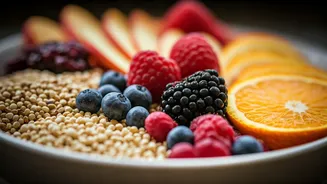
Ancient Wisdom Meets Modern Wellness
First, let’s get on the same page. “Functional foods” is just a modern term for something cultures have known for millennia: some foods do more than just fill you up. They offer specific health benefits, from boosting immunity to reducing inflammation.
Think of it as food with a job. While Americans might associate this with adding probiotics to yogurt or fiber to cereal, in India, this concept is deeply woven into the fabric of daily life and ancient practices like Ayurveda. For centuries, Indian kitchens have been a kind of pharmacy. A pinch of turmeric in dal wasn’t just for color; it was for its anti-inflammatory properties. A glass of milk with ashwagandha wasn’t a trendy nightcap; it was a traditional remedy for stress and sleeplessness. What’s happening now is a re-branding. Ancient ingredients are being examined through a modern scientific lens, their benefits validated, and then presented to a new generation of health-conscious consumers both in India and across the globe.
The Stars of the Show
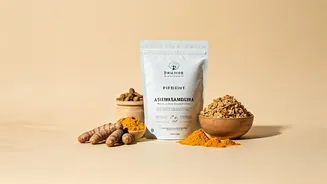
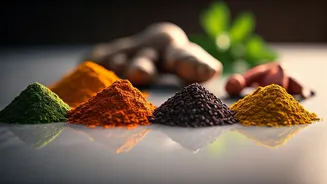
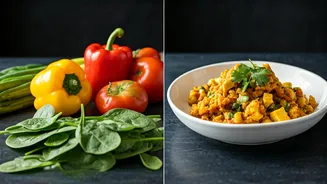
So, what are these powerhouse ingredients? You already know turmeric, the golden spice that has become a global wellness superstar. But the roster is deep. There’s ashwagandha, an adaptogen (a substance that helps the body handle stress) that’s now a staple in wellness powders and teas. Amla, or Indian gooseberry, is a tiny fruit with an astronomical vitamin C content, traditionally used for immunity. Moringa, often called the “drumstick tree,” has leaves packed with vitamins and minerals, finding its way into smoothies and energy bars. These ingredients aren’t new discoveries; they are cornerstones of traditional Indian diets. The change is in their application and accessibility. They are moving beyond the realm of traditional medicine and into mainstream consumer products—from fortified snacks to high-end restaurant menus—making their benefits easier to incorporate into a busy, modern lifestyle.
Enter the Millet Revolution
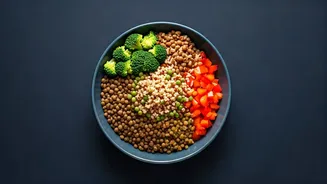
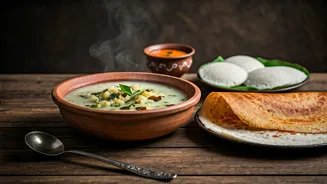
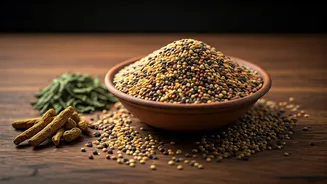
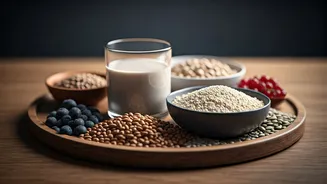
Perhaps the biggest hero of this functional food upgrade is the humble millet. Not long ago, these ancient grains were largely seen as rural, old-fashioned food. Now, they are at the forefront of a culinary revolution. Why the comeback? For starters, millets like sorghum (jowar), pearl millet (bajra), and foxtail millet are nutritional powerhouses. They are naturally gluten-free, high in fiber and protein, and have a low glycemic index, making them ideal for managing blood sugar. Beyond their health benefits, they are also incredibly climate-resilient, requiring far less water than rice or wheat. This has led to a major push from the Indian government and international bodies to promote their cultivation and consumption. Today, chefs are transforming millets into everything from gourmet risotto and fluffy bread to crispy dosas and breakfast porridges, proving that this ancient grain has a firm place on the modern plate.
From Niche to Mainstream Plate
This functional food movement isn’t just happening in homes; it's a full-blown commercial trend. In India, startups are launching millet-based pasta, cookies, and cereals. Cafes are creating menus centered around Ayurvedic principles. Globally, chefs at Michelin-starred Indian restaurants are deconstructing traditional recipes to highlight the flavor and function of a single ingredient, like a moringa-leaf soup or a black carrot kanji foam. For the American consumer, this means the Indian food aisle is getting a lot more interesting. It’s no longer just about curry paste and naan bread. You’re now seeing ready-to-eat millet pilafs, ashwagandha-infused chocolate, and amla juice shots. It represents a shift from viewing Indian food as just a rich, occasional treat to seeing it as a source of everyday wellness and dynamic flavor.