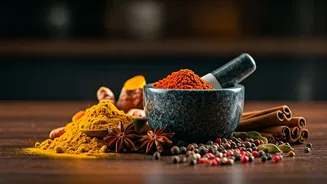






1. Turmeric: The Golden Anti-Inflammatory
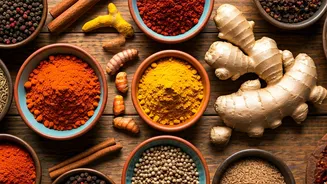
This brilliant yellow spice, a cornerstone of South Asian and Middle Eastern cuisine, is more than just a pretty color. Its power comes from curcumin, a compound with potent anti-inflammatory and antioxidant properties. Chronic inflammation is linked
to numerous health conditions, and studies suggest that curcumin can help counteract it at a molecular level. While a sprinkle in your food won't replace medicine, incorporating it regularly supports your body's natural defenses. How to use it: Beyond curries, try adding a half-teaspoon to scrambled eggs, roasted vegetables (especially cauliflower), or lentil soup. For a soothing drink, whisk it into warm milk with a pinch of black pepper, which helps your body absorb the curcumin more effectively.
2. Cinnamon: A Sweet Blood Sugar Ally
Often relegated to holiday baking and breakfast toast, cinnamon deserves a year-round spot at the front of your spice rack. This fragrant bark is packed with antioxidants that protect your body from damage caused by free radicals. More notably, research has explored cinnamon's potential role in helping to moderate blood sugar levels by improving insulin sensitivity. For those watching their sugar intake, it’s a brilliant way to add sweetness without the sugar. How to use it: Stir it into your morning coffee, oatmeal, or Greek yogurt. Sprinkle it over baked sweet potatoes or roasted carrots to enhance their natural sweetness. A dash in your chili or meat rub adds a surprising depth and warmth.
3. Cayenne Pepper: The Metabolism Igniter
If you like a little heat, your metabolism might thank you. The fiery kick in cayenne and other chili peppers comes from a compound called capsaicin. Studies have shown that capsaicin can provide a temporary boost to your metabolic rate, helping you burn slightly more calories. It may also help reduce appetite. While it's not a magic bullet for weight loss, adding a little heat to your meals can be a supportive part of a healthy lifestyle. How to use it: Start small! A pinch of cayenne can liven up avocado toast, homemade mac and cheese, or a pot of black bean soup. It’s also a classic ingredient in rubs for grilled chicken or fish, adding a smoky heat that pairs well with lime and garlic.
4. Ginger: The Soothing Digestive Aid
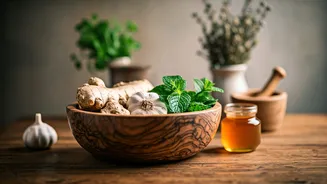
That spicy, pungent flavor of fresh ginger comes from gingerol, its main bioactive compound. For centuries, ginger has been a go-to folk remedy for nausea and indigestion, and modern science backs this up. It’s known to help settle an upset stomach and can be particularly effective for motion sickness and morning sickness. Like its cousin turmeric, ginger also boasts significant anti-inflammatory and antioxidant effects. How to use it: Freshly grated ginger is a game-changer in stir-fries, marinades, and salad dressings. For a simple, soothing tea, steep a few thin slices of fresh ginger in hot water with a squeeze of lemon. You can also add a small piece to your morning smoothie for a zesty kick.
5. Garlic: The Heart's Pungent Protector
Is garlic a spice, a vegetable, or a way of life? Whatever you call it, its health benefits are well-documented. When crushed or chopped, garlic releases allicin, a sulfur compound responsible for its distinct aroma and many of its medicinal properties. Research links regular garlic consumption to improved cardiovascular health, including beneficial effects on blood pressure and cholesterol levels. It's also believed to have immune-boosting properties. How to use it: The better question is how *not* to use it. Garlic forms the flavor base of countless dishes, from pasta sauces to roasted meats. For maximum benefit, let chopped or crushed garlic sit for 10 minutes before cooking to allow the allicin to fully develop. Roasting whole cloves makes them sweet, creamy, and perfect for spreading on bread.