







The Old 'Off-Season' Mindset
For decades, the word “monsoon” was a stop sign for travelers. It conjured images of torrential downpours, washed-out roads, canceled tours, and days spent stuck inside a hotel room. Travel agents steered clients toward sunnier months, and guidebooks
were filled with warnings about the perils of visiting regions like Southeast Asia, India, or even the American Southwest during their respective rainy seasons. The prevailing wisdom was simple: avoid it. This approach treated an entire season, often lasting months, as a monolith of bad weather. Planning was based on broad, historical averages, leaving little room for nuance. A trip booked for a historically “rainy” week was seen as a bad bet, regardless of the actual conditions on the ground, leading to missed opportunities for both travelers and local economies.
Enter Hyperlocal Forecasting
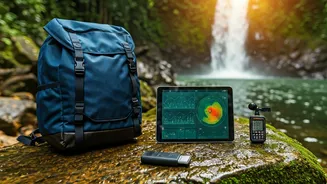
The game-changer hasn't been the elimination of rain, but the radical improvement in our ability to predict it. We've moved beyond the vague, regional “40% chance of rain” forecast. Today’s technology leverages a powerful combination of satellite imagery, ground-based sensors, and artificial intelligence to provide hyperlocal weather predictions. These aren't just for your city; they can be for a specific neighborhood, hiking trail, or beach. Algorithms now process immense datasets in real time to forecast precipitation on a minute-by-minute basis for the next one to two hours. This shift from macro to micro forecasting is the engine driving the new era of monsoon travel. It allows for a dynamic approach to planning, where a day’s itinerary isn’t set in stone but can be adjusted in response to highly accurate, short-term weather intelligence.
From Reactive to Proactive Travel
Armed with better data, both travelers and tour operators are moving from a reactive posture (getting caught in the rain) to a proactive one (planning around it). Imagine booking a trip to Costa Rica during the “green season.” Instead of canceling a rainforest hike because the forecast calls for afternoon showers, your guide uses a hyperlocal app to see that the rain is expected from 2 PM to 4 PM. The group simply starts an hour earlier, enjoys the trek in the clear morning air, and is back at the lodge with a coffee before the downpour begins. Hotels in Thailand are using similar data to promote “sunshine window” activities and market their spas and restaurants for the predictable rainy periods. Travelers can confidently book outdoor excursions, knowing they have a reliable tool to identify the best windows of opportunity, turning a potential washout into a well-timed adventure.
Finding Opportunity in the Rain
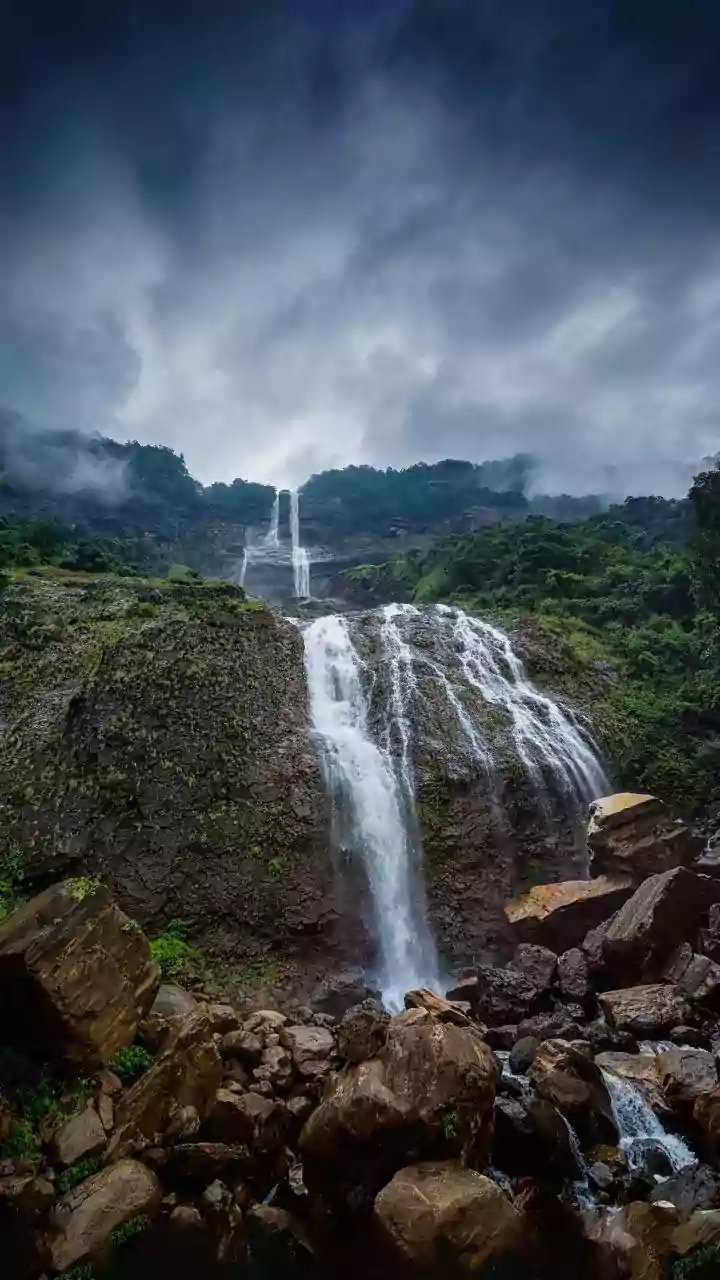
This data-driven confidence is allowing more people to discover the unique beauty of the monsoon season. The benefits have always been there, just obscured by the fear of uncertainty. With fewer tourists, popular sites that are mobbed in peak season can feel serene and personal. Prices for flights and accommodations often plummet, making destinations more accessible. But most importantly, the landscape itself transforms. The rain washes away the dust, leaving behind impossibly lush, vibrant green scenery. Waterfalls thunder back to life, and the dramatic, cloud-filled skies create a moody, atmospheric beauty perfect for photography. Data isn't just helping travelers dodge the rain; it's empowering them to embrace a different, more dramatic, and often more rewarding version of their destination.
The Traveler's New Toolkit
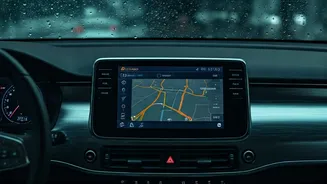
For the modern traveler, the new toolkit goes beyond a sturdy umbrella. It’s about having the right apps on your phone. Weather apps that offer minute-by-minute precipitation charts (like Dark Sky once did, and which Apple Weather and others now integrate) are essential. Navigation apps like Waze or Google Maps use crowd-sourced data to provide real-time updates on road closures due to flooding or landslides—critical information in many monsoon-prone areas. Furthermore, local tour operators and community-based tourism platforms are increasingly integrating these data streams into their own apps and communication channels, sending push notifications to clients about itinerary changes or newly opened opportunities based on the latest weather models. The smart monsoon traveler is no longer just guessing; they are operating with a dashboard of real-time intelligence.