








Your Hair’s Unsung Hero
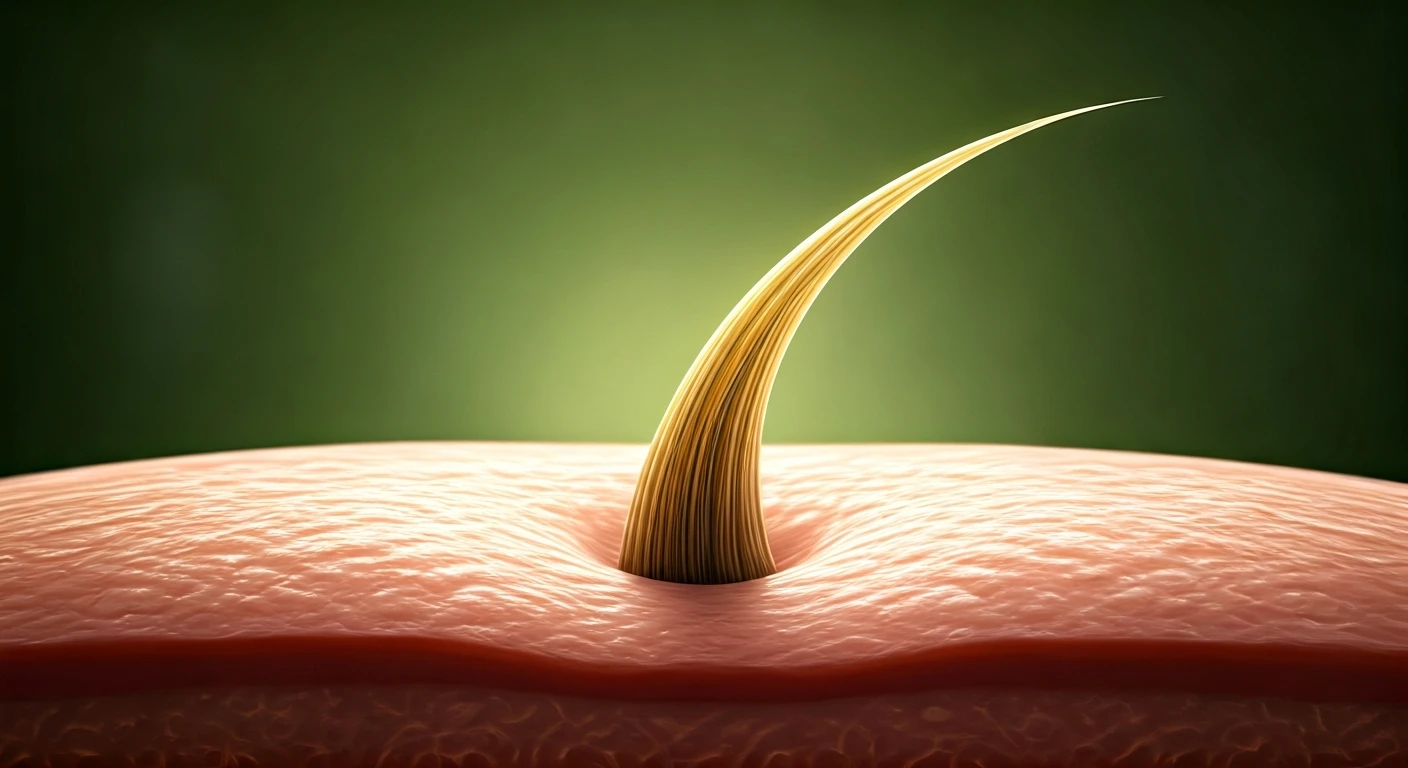
Think of your scalp as the soil from which your hair grows. If the soil isn't healthy, you can't expect a vibrant garden. It’s the same with hair. Your scalp is living skin, complete with pores, sweat glands, and oil glands, and it’s the foundation for
every single strand. Each hair follicle is embedded in this complex ecosystem. When the scalp is clogged with product buildup, dead skin, and excess oil, it can stifle the follicle, potentially leading to weaker hair growth, dullness, and breakage. Conversely, a clean, balanced, and well-circulated scalp provides the optimal environment for hair follicles to thrive, producing stronger, shinier, and healthier-looking hair. This shift in focus, from strand-only treatments to root-first care, is what beauty insiders call the "skinification of hair," and it’s a total game-changer.
Decoding Your Scalp's Signals
Is your scalp trying to tell you something? Persistent issues are often dismissed, but they’re valuable clues. The most common signal is flaking. It’s crucial to know whether you’re dealing with dandruff or simple dryness. Dandruff is typically caused by an overgrowth of a yeast-like fungus, Malassezia, resulting in larger, yellowish, oily flakes and an itchy, inflamed scalp. A dry scalp, however, is a moisture issue, presenting with small, white, dry flakes, similar to dry skin elsewhere on your body. Meanwhile, an overly oily scalp is caused by hyperactive sebaceous glands, which can make hair look greasy just hours after washing. This excess oil can also trap dead skin cells and clog follicles. Understanding what your scalp is doing—whether it’s oily, dry, or irritated—is the first step toward choosing the right products and building an effective routine.
The Power of the Exfoliant
Just like your face, your scalp benefits immensely from regular exfoliation. Dry shampoo, styling creams, hairspray, and natural sebum can create a stubborn layer of buildup that a simple shampoo might not fully remove. This is where a scalp exfoliant comes in. There are two main types: physical and chemical. Physical exfoliants use fine particles like sugar, salt, or charcoal powder in a scrub format to manually slough away dead skin and residue. They provide immediate satisfaction and boost circulation. Chemical exfoliants use skincare-grade acids, such as salicylic acid (a beta-hydroxy acid, or BHA) or glycolic acid (an alpha-hydroxy acid, or AHA), in serums or pre-shampoo treatments. These work by dissolving the bonds that hold dead skin cells to the surface, offering a deeper, non-abrasive cleanse. For most people, exfoliating once or twice a week is enough to keep the scalp clean, balanced, and breathing freely.
Upgrade Your Cleansing Routine
Washing your hair is about more than just cleaning the strands; it's a critical opportunity to reset your scalp. First, make sure you're working the shampoo directly onto your scalp with your fingertips (not your nails), massaging gently for at least a minute to break down oils and stimulate blood flow. If you're a heavy user of styling products or have a very oily scalp, consider a "double cleanse." The first wash breaks down buildup and oil, while the second wash provides a thorough clean. Look for shampoos with targeted ingredients. For oily and dandruff-prone scalps, ingredients like salicylic acid, zinc pyrithione, or ketoconazole can be incredibly effective. For dry, itchy scalps, look for soothing and hydrating formulas containing ingredients like aloe vera, colloidal oatmeal, or hyaluronic acid. Don't just grab any bottle; choose your cleanser with your scalp's specific needs in mind.
Don't Forget to Treat and Moisturize
After cleansing, the final step is to treat. Conditioners are for your hair's mid-lengths and ends, but scalp-specific treatments are designed to be applied directly to the root. These come in many forms, including lightweight serums, nourishing oils, and rinse-out masks. If your scalp is tight and dry, a hydrating serum with hyaluronic acid or a pre-shampoo oil treatment can restore moisture and flexibility. If you're dealing with irritation or redness, look for calming ingredients like chamomile, tea tree oil, or centella asiatica (cica). Applying a serum after you wash and towel-dry your hair can deliver a concentrated dose of active ingredients exactly where they're needed most, working to balance, soothe, or invigorate your scalp until your next wash.