
1. The Simple Science of Cooler Air
It’s not just your imagination; there’s a fundamental reason it’s cooler in the mountains. It's called the environmental lapse rate, a basic principle of atmospheric science. As you gain elevation, the air becomes less dense and expands, which causes
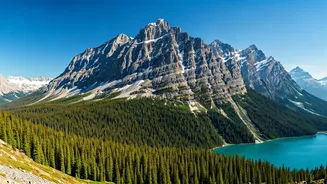
it to cool down. The general rule of thumb is that for every 1,000 feet you ascend, the temperature drops by about 3.5°F to 5.5°F (2°C to 3°C). So, if your city is sweltering at 104°F, a trip to a town at 8,000 feet could mean enjoying a blissful 70-75°F day. This isn't just a slight improvement; it's the difference between hiding indoors and actually enjoying a summer afternoon. You're not just finding shade; you're entering an entirely different, more pleasant climate zone.
2. Say Goodbye to Sleepless, Sweaty Nights
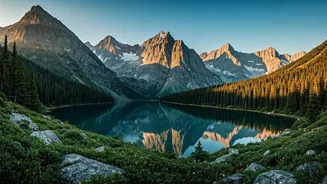
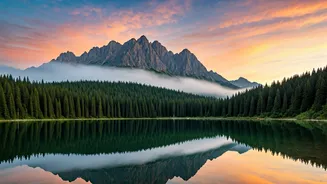
Extreme heat doesn't just ruin your days; it can wreck your nights. Urban areas suffer from the “heat island” effect, where concrete and asphalt absorb solar radiation all day and then release it slowly overnight, keeping temperatures uncomfortably high. This makes quality sleep nearly impossible without blasting the air conditioning, which is costly and environmentally taxing. Mountain towns, by contrast, experience significant diurnal temperature variation. Even after a warm day, temperatures can drop sharply after sunset, often into the cool and comfortable 50s. This natural cool-down allows for deep, restorative sleep with the windows open, listening to the sounds of nature instead of the hum of an overworked compressor. It’s a simple but profound boost to your physical and mental well-being.
3. Unlock Your Summer Adventures
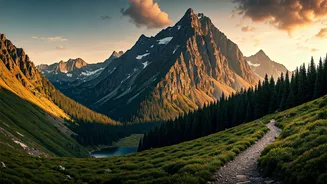
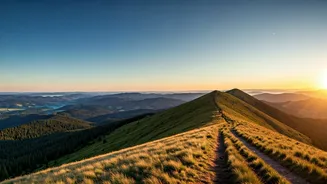
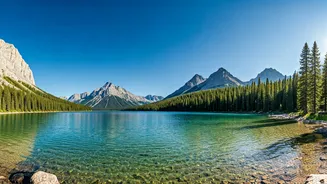
Let’s be honest: hiking, biking, or even having a picnic is miserable and potentially dangerous when it’s pushing triple digits. Extreme heat forces us to be sedentary and indoors, canceling the very activities that define summer for many. The mountains, however, offer a perfect arena for summer recreation. A trail run that would be a health risk in the flatlands becomes an invigorating challenge in the crisp 70-degree air of the high country. You can spend the whole day exploring forests, fishing in alpine lakes, or browsing shops in a charming mountain town without feeling drained and dehydrated. It fundamentally changes the equation, turning summer from a season of endurance into a season of genuine enjoyment and activity.
4. Escape the Oppressive Humidity
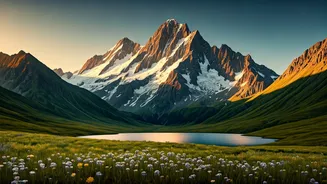
Heat is one thing; heat combined with humidity is a whole other level of oppressive. When the air is saturated with moisture, your body's primary cooling mechanism—sweating—becomes far less effective. The result is that sticky, suffocating feeling where you feel like you can never get dry. Mountain air is often significantly drier, especially in the western U.S. This lower humidity has a massive impact on your “feels like” temperature. An 80°F day in the Rockies, with low humidity, can feel absolutely perfect. An 80°F day in a coastal city with 90% humidity can feel unbearable. Trading mugginess for crisp, dry air is one of the most immediate and satisfying reliefs you'll experience when you head for the hills.
5. A Blueprint for Your High-Altitude Escape
The beauty of this strategy is that mountain ranges are accessible from nearly every region of the U.S. You don’t need to cross the country to find relief. If you're in the scorching Southwest, towns like Flagstaff, Arizona (7,000 ft), or Telluride, Colorado (8,750 ft), offer dramatic temperature drops. In the East, the Appalachian Mountains provide refuge; destinations like Boone, North Carolina (3,333 ft), or the Adirondacks in New York offer lush, green, and significantly cooler alternatives to the sweltering coastal plains. On the West Coast, communities in the Sierra Nevada like Mammoth Lakes, California (7,881 ft), provide a cool counterpoint to California's blistering Central Valley. A quick look at a topographical map will reveal your nearest high-elevation haven.