




Beyond the Restaurant Menu
For many Americans, Indian food is synonymous with restaurant fare: chicken tikka masala, saag paneer, and mountains of garlic naan. While undeniably delicious, these dishes are often richer, heavier, and creamier than what is typically eaten in Indian homes.
Restaurant recipes were designed to impress, creating a sense of luxury and decadence. They often rely on generous amounts of cream, butter (ghee in moderation is traditional, but often used heavily in restaurants), and oil to create a uniform, crowd-pleasing flavor profile. Authentic home cooking, however, is a different world. It’s the food that fuels over a billion people daily, and it’s built on principles of balance, frugality, and fresh, seasonal ingredients. The heavy cream is replaced with water, yogurt, or coconut milk. The focus shifts from a single rich curry to a complete plate—a thali—featuring a variety of textures and flavors that work together to create a nutritionally complete meal. This is where the true health benefits of Indian cuisine are found.
The Power of the Spice Box
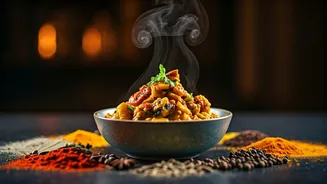
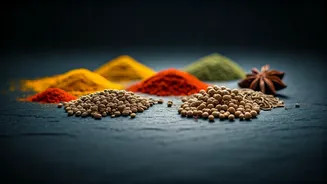
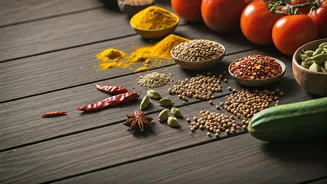
The heart of Indian cooking isn’t fat or cream; it’s the spice box, or masala dabba. Each spice is chosen not just for flavor but for its traditional role in wellness and digestion. Turmeric, with its active compound curcumin, is celebrated for its anti-inflammatory properties. Ginger is a classic digestive aid, known to soothe stomachs. Cumin and coriander seeds, often toasted to release their aromatic oils, are also linked to better digestion. Fenugreek, asafoetida (hing), and mustard seeds all play a role in both rounding out a dish’s flavor and making it more digestible. This isn't about adding a single “superfood” to your diet. It's about a symphony of spices working together in small, consistent amounts. The magic lies in the combination and daily use. A simple lentil soup, or dal, can contain half a dozen spices that transform it from a basic legume dish into a complex, nourishing meal that supports the body’s functions. This sophisticated use of spices is what makes Indian food a proactive approach to wellness, rather than a reactive one.
A Masterclass in Balance
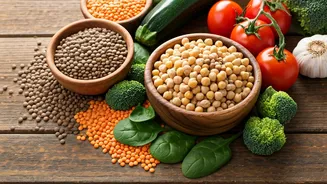
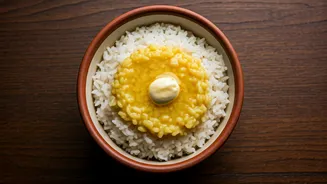
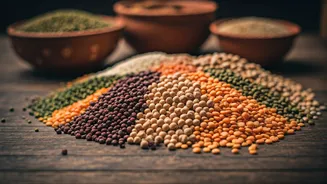
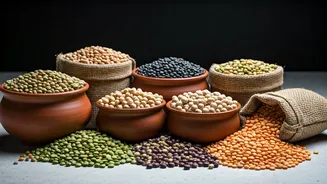
A typical home-cooked Indian meal is a masterclass in macronutrient balance. It’s rarely just one dish. Instead, a plate will likely feature a small portion of rice or a piece of whole-wheat roti (a simple flatbread). Alongside it, you’ll find dal, a stew made from lentils or beans, which provides plant-based protein and fiber. Then there's a sabzi, a vegetable dish cooked with spices, which could be anything from spiced cauliflower to sautéed okra or spinach. A spoonful of plain yogurt often serves as a probiotic-rich coolant. This composition ensures you get complex carbohydrates, lean protein, healthy fats, and a wide array of vitamins and minerals in a single sitting. The high fiber content from legumes and vegetables promotes gut health and provides a sense of lasting fullness, preventing the blood sugar spikes and crashes associated with more processed meals. It’s a naturally portion-controlled and nutritionally diverse way of eating that has been perfected over centuries.
Naturally Plant-Forward
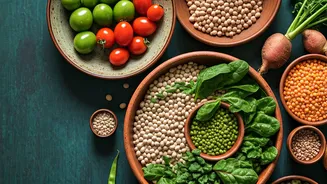
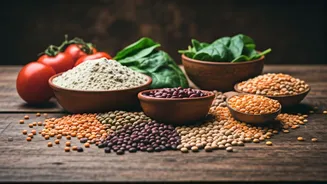
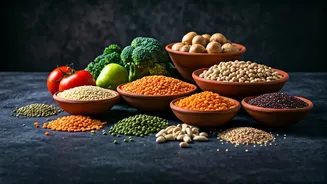
Long before “plant-based” became a wellness buzzword, Indian cuisine was already there. Due to cultural, religious, and economic factors, a significant portion of India follows a vegetarian diet. As a result, the country has developed one of the most sophisticated and varied vegetarian culinary traditions in the world. The cuisine is packed with inventive ways to make vegetables and legumes the star of the show. From chickpea curries (chana masala) and kidney bean stews (rajma) to potato and pea dishes (aloo matar) and roasted eggplant (baingan bharta), the options are endless. This makes authentic Indian cooking an incredibly accessible and delicious entry point for anyone looking to reduce their meat consumption and incorporate more plants into their diet. You’re not sacrificing flavor or satisfaction; you’re simply tapping into a tradition that has always known how to make vegetables taste incredible.