







First, What Is an AI Ring?
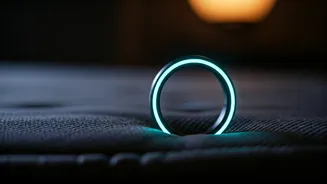
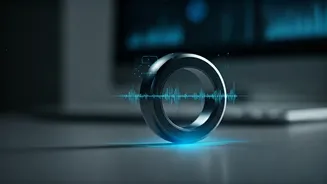
Imagine all the essential functions of your smartwatch—notifications, fitness tracking, mobile payments—shrunk down into a sleek, screenless band on your finger. That’s an AI ring. Brands like Ultrahuman (an Indian startup gaining global attention), Oura,
and RingConn are pioneering this form factor. These devices use tiny sensors to monitor heart rate, sleep patterns, and body temperature. They connect to your phone via Bluetooth and often use haptic feedback (subtle vibrations) for alerts. The “AI” component typically comes from the companion app, which analyzes your biometric data to provide personalized insights and recommendations, like the optimal time to work out or when your body is most primed for deep focus.
Why India? Why Now?
The rise of the AI ring in India isn't just about a cool new gadget; it’s about a perfect storm of cultural and economic factors. India has one of the world's youngest populations—over 65% of its people are under 35. This generation is digital-native, highly ambitious, and facing immense competition. Whether it’s for a spot in a prestigious university or a role at a top tech company, millions of young Indians are looking for any possible edge. This relentless drive has created a massive market for “life-hacking” and productivity tools. The AI ring, made popular by local players like Ultrahuman, has emerged as the right product at the right time, appealing to a generation that values efficiency and self-optimization above all else.
The Ultimate 'Deep Work' Device
Here's the key difference in how this device is being used for productivity: it’s about what it *doesn’t* do. A smartwatch, with its bright, interactive screen, is a constant source of potential distraction. An email preview, a news alert, a social media notification—each one can pull you out of a state of flow. Young professionals and students in India are using the AI ring as a digital filter. By customizing alerts, they can set the ring to vibrate only for high-priority calls or specific messages. This allows them to stay connected to what's truly urgent without being tethered to a screen, enabling long, uninterrupted periods of 'deep work.' It's a tool for intentional disconnection in an always-on world, turning technology from a source of distraction into a guardrail for focus.
From Bio-Hacking to Life-Hacking
The productivity play extends beyond just managing notifications. For these users, the ring’s health-tracking capabilities are framed as performance metrics. Good sleep isn't just for rest; it's for cognitive recovery that leads to a sharper mind the next day. Tracking sleep cycles, REM stages, and sleep efficiency becomes a way to engineer a better workday. Similarly, monitoring heart rate variability (HRV) helps them understand their stress and recovery levels. The app might suggest a brief meditation session if it detects high stress, or recommend a lighter workload on a day with poor recovery scores. This transforms wellness from a passive concept into an active strategy for maximizing mental and physical output. It’s bio-hacking with a clear professional goal: sustained high performance.
A Status Symbol for the Hustle Generation
In the bustling tech hubs of Bangalore and Gurgaon, the AI ring is also becoming a subtle status symbol. It’s less about flashy wealth and more about signaling a particular mindset. Wearing one says, “I’m serious about my performance. I’m data-driven. I’m optimizing myself.” It’s a badge of honor for the 'hustle culture' generation, a quiet testament to their dedication. For a generation that grew up documenting their lives on Instagram, this device offers a way to quantify and optimize their internal world. It represents a shift from external validation to internal metrics, where the ultimate goal is a more efficient, productive, and successful version of oneself.