


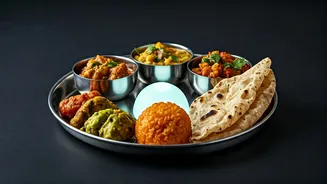
First, What Is Chaat?
If you’ve never had the pleasure, chaat is less a single dish and more a glorious category of Indian street food defined by a symphony of textures and flavors. The word itself means “to lick” or “to taste,” and every bite is an adventure. At its core,
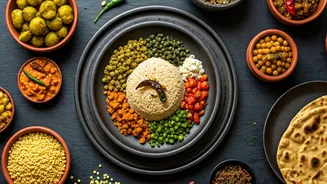
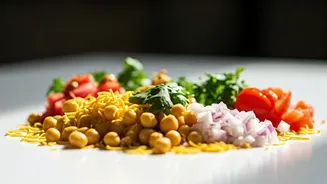
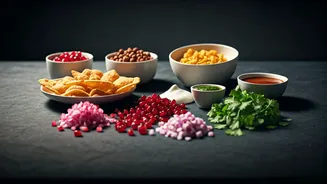
chaat is about balance: something crispy (like fried crackers called papdi, or puffed rice), something soft (like boiled potatoes or chickpeas), something tangy (tamarind chutney), something spicy (green chili chutney), something sweet (date chutney), and something cooling (yogurt). From Bhel Puri’s delightful crunch to Pani Puri’s explosive liquid-filled spheres, chaat is a full-on sensory experience.
The Rise of Eating for Emotion
The idea of connecting food to feelings isn't new. We reach for ice cream after a breakup and chicken soup when we're sick. But the modern wellness movement has reframed this connection with more intention. It’s no longer just about “comfort food”; it’s about “mood food.” This trend encourages us to consciously choose ingredients that might make us feel more energized, calm, focused, or grounded. It’s a move toward mindful eating, where we pay attention to how different foods affect our bodies and our emotional states. Now, this thoughtful approach is being applied to one of the most complex and satisfying food groups on the planet.
Ancient Wisdom Meets a Modern Trend
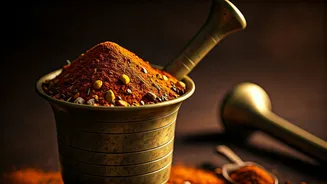
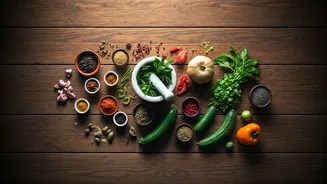
While it might seem like a new-age wellness fad, the link between food, mood, and health has deep roots in Indian culture, particularly in Ayurveda. This ancient system of medicine has long taught that foods have specific properties—warming, cooling, heavy, light—that can be used to balance the body and mind. For instance, warming spices like ginger and cinnamon are seen as energizing, while cooling ingredients like cucumber and mint are considered calming. This new wave of mood-based chaat isn’t inventing a concept from scratch; it’s translating this ancient wisdom for a modern palate. It’s taking the foundational principles of balance inherent in both chaat and Ayurveda and applying a new, more explicit emotional lens.
How to Build a Mood-Based Chaat
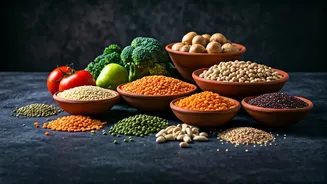
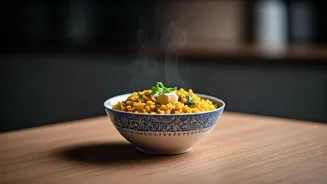
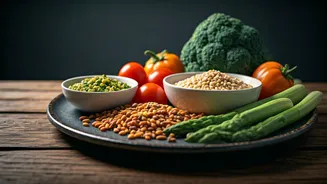
So what does this look like on a plate? It’s all about emphasizing certain ingredients to achieve a desired feeling. For a chaat designed to be *energizing and uplifting*, you might build a base of sprouted moong beans and quinoa, load it up with fresh and zesty ingredients like chopped cucumber, tomato, and onion, and finish with a generous squeeze of lemon and a vibrant mint-coriander chutney. For a *comforting and grounding* experience on a stressful day, the focus shifts. Imagine a warm ragda chaat, with a hearty white pea curry base, soft potato chunks, and a sprinkle of warming spices like roasted cumin and black salt. The toppings would be rich and soothing: a dollop of thick yogurt and a drizzle of sweet tamarind chutney. For moments of *celebration and joy*, you’d want a chaat that pops. Think Dahi Puri: crispy shells filled with potatoes and chickpeas, drenched in sweet, whisked yogurt, and jeweled with bright pomegranate seeds and crunchy sev (fried chickpea noodles). Each version is still recognizably chaat, but the ingredient focus fine-tunes its emotional impact.
More Than Just a Recipe
Ultimately, this trend is about more than just a list of ingredients. It’s an invitation to be more present with our food. By thinking about chaat—or any meal—in terms of mood, we’re encouraged to slow down and consider what our bodies are actually asking for. It pushes us beyond simply satisfying hunger and asks us to think about nourishing ourselves on a deeper, more holistic level. It’s a way to reclaim the intuitive connection between eating and feeling, transforming a simple snack into a small act of self-care. This fusion of tradition and mindfulness provides a fresh, delicious way to engage with the food we eat every day.