


So, What Is Dahi Anyway?
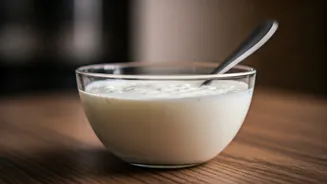
On the surface, dahi looks like any other yogurt. It's a fermented dairy product, creamy, and tart. But to call it just 'Indian yogurt' is to miss the point. Unlike the mass-produced tubs in American supermarkets, traditional dahi is a living, breathing
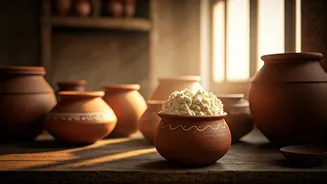
part of the Indian kitchen. It’s typically made at home daily, using a small amount of leftover dahi from the previous day as a 'starter' for a fresh batch of warm milk. This starter, or *jaaman*, contains a unique and complex blend of bacterial strains that have been passed down through families, sometimes for generations. This process results in a yogurt that is less thick than Greek yogurt and has a distinct, mildly sour tang. It’s not sweetened, it’s not flavored with fruit puree—it's a pure, unadulterated food meant to be a foundational part of a meal, not a dessert.
The Science Behind the Tradition
The term 'gut hack' might be modern, but the benefits it describes are ancient. Dahi is teeming with live and active cultures—probiotics—that are essential for a healthy gut microbiome. These beneficial bacteria help maintain the natural balance of microorganisms in your digestive tract, which is crucial for everything from proper digestion and nutrient absorption to supporting your immune system. While all yogurts with live cultures offer probiotic benefits, the homemade nature and unique bacterial strains in traditional dahi make it particularly potent. The fermentation process also breaks down lactose, the sugar in milk, making dahi easier for many people with lactose intolerance to digest compared to milk itself. This is why it’s considered so 'reliable'; it's a gentle, natural, and consistent way to deliver a dose of gut-friendly bacteria that the body can easily process.
A Cultural Powerhouse, Not Just a Food
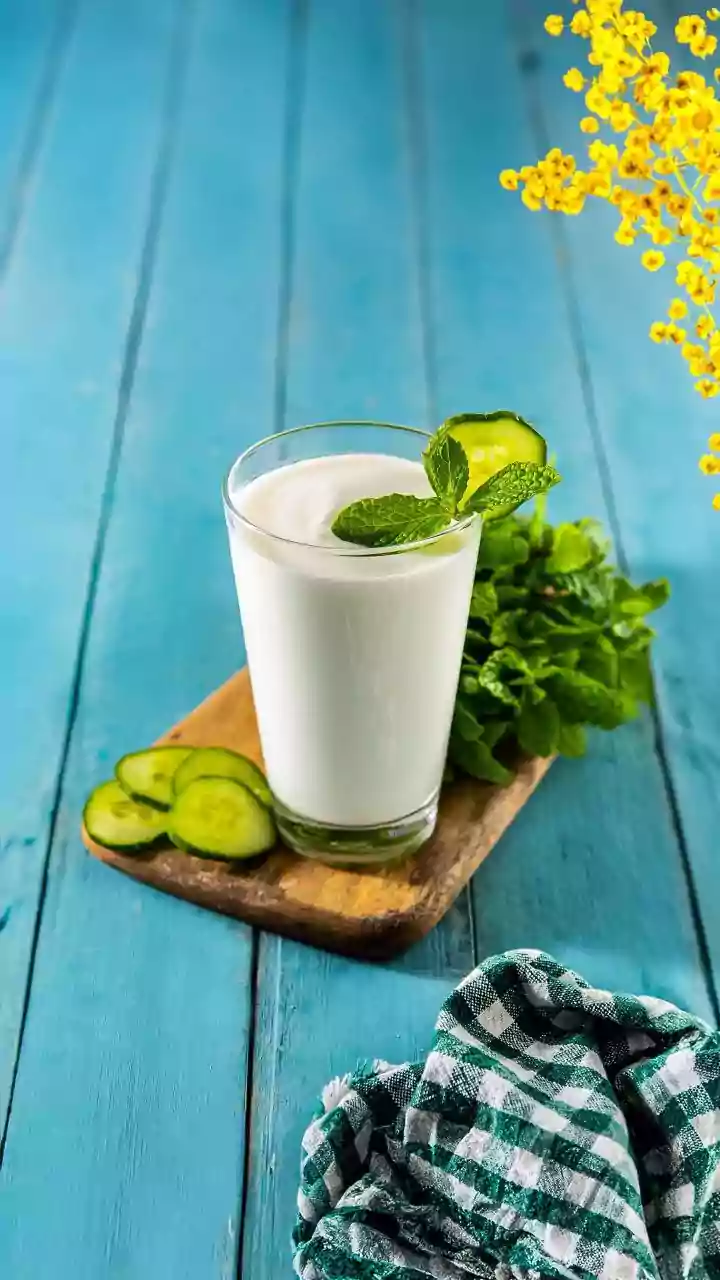
In India, dahi’s role extends far beyond nutrition. It's deeply woven into the fabric of daily life and culture. In Ayurvedic tradition, dahi is considered a 'cooling' food, making it the perfect antidote to spicy dishes and the sweltering Indian heat. You’ll find it served with almost every meal—a simple bowl alongside rice and lentils, whipped into a refreshing *raita* with cucumbers and mint, or blended into a frothy, savory or sweet *lassi*. It’s a culinary multitasker used to marinate meats (its enzymes tenderize them beautifully) and as a souring agent in curries. Beyond the plate, dahi holds symbolic value. A spoonful of dahi mixed with sugar is often given to someone for good luck before they embark on a journey, take an exam, or start a new venture. It’s a comfort food, a digestive aid, a flavor enhancer, and a blessing all in one.
How to Get Started With Dahi
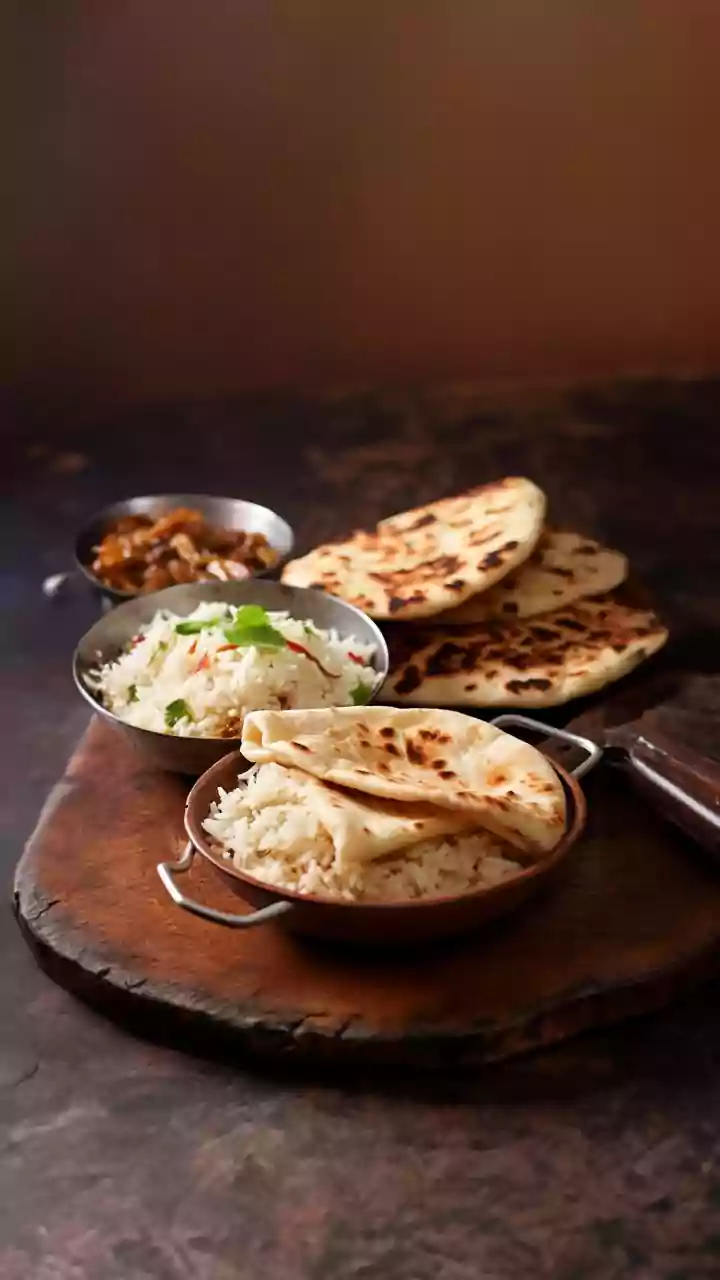
Ready to try it? Your best bet is to visit a local Indian or South Asian grocery store. Look for plain, full-fat dahi (often spelled 'curd' on the packaging). Don't expect it to taste like the vanilla yogurt you’re used to; its natural tartness is the point. The simplest way to enjoy it is the traditional way: as a side to a savory meal. Add a spoonful to a bowl of rice and curry to balance the flavors and cool the palate. You can also whip it with a little salt, roasted cumin powder, and chopped cilantro to make a simple dip for flatbread or vegetable sticks. For a classic drink, blend dahi with water, salt, and mint for a savory lassi, or with sugar and a little mango pulp for a sweet treat. The goal isn't to mask its flavor but to use it as a complementary element that enhances everything it touches.