
The Nostalgia of the Crunch
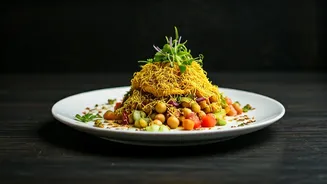
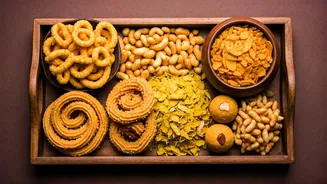
For many in the Indian diaspora, the word “snack” conjures a vivid sensory memory. It’s the sound of crispy samosas cracking open, the complex spice of a handful of chevda (a savory mix), or the sharp crunch of murukku, a spiral-shaped delight made from
rice and lentil flour. These snacks, known collectively as “namkeen,” are deeply woven into the fabric of daily life—served with afternoon chai, shared during festivals, and offered to any guest who walks through the door. Traditionally, however, many of these beloved treats are deep-fried, high in salt, and made with refined flours. They are, by definition, an indulgence. For decades, that was an accepted trade-off for authentic flavor and a connection to home.
The Rise of 'Better-for-You'
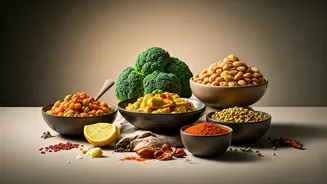
But a cultural and commercial shift is underway. As first- and second-generation Indian Americans, alongside a growing population in India, embrace global wellness trends, the demand for “crunch without regret” has skyrocketed. Consumers are no longer willing to make the old trade-off. They want the nostalgic flavors of their youth but in a format that aligns with modern health consciousness: lower in sodium, free from artificial ingredients, and prepared with healthier methods like baking or air-frying instead of deep-frying. This isn’t about abandoning tradition; it’s about evolving it for a new era. This consumer demand has created a massive opening for entrepreneurs who understand both the cultural significance of these snacks and the language of the modern health food market.
Meet the New Guard of Indian Snacks
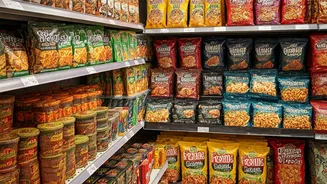
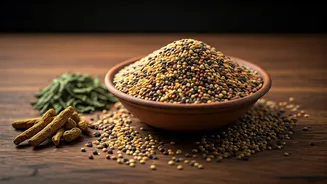
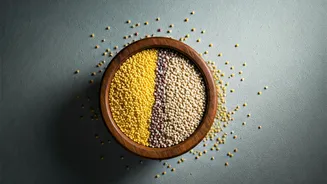
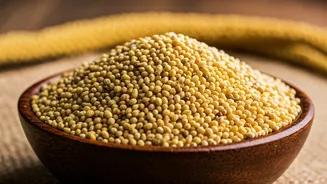
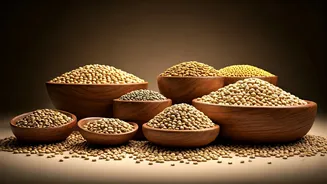
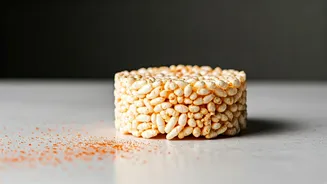
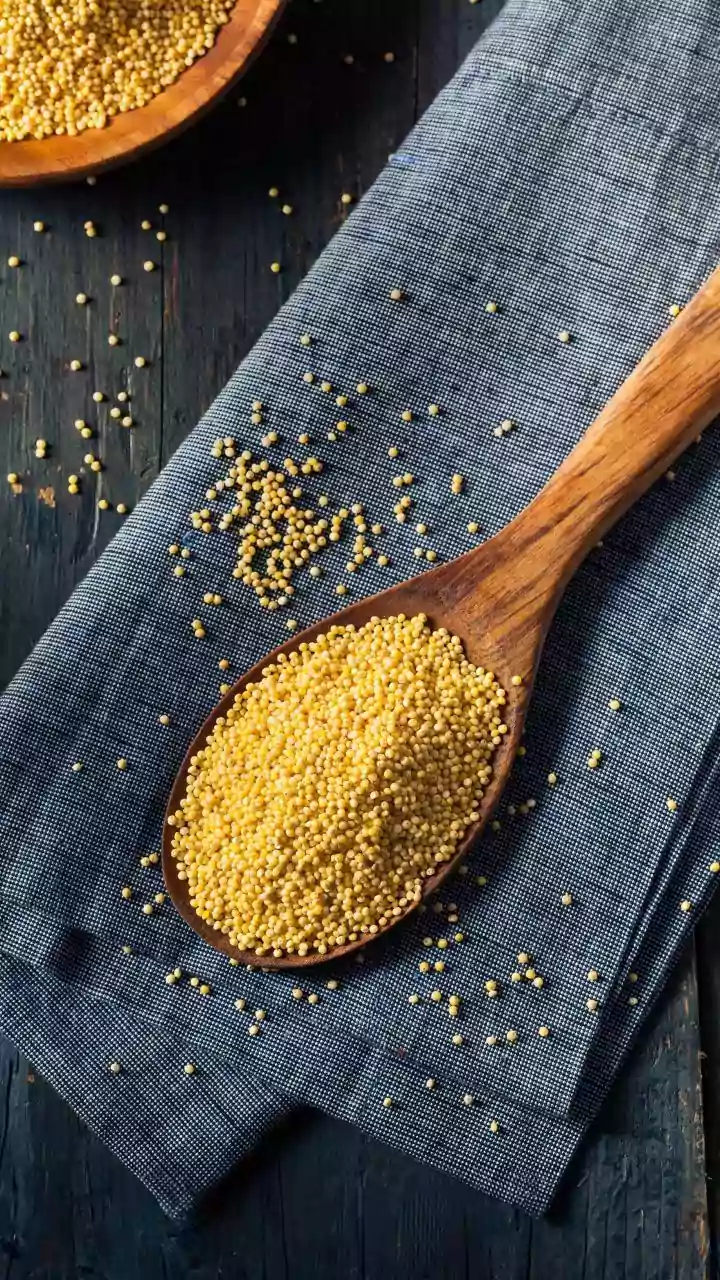
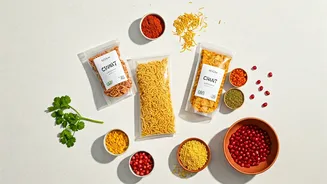
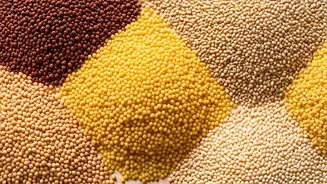
Step into a well-stocked grocery store today—from a local Indian market to a mainstream chain like Whole Foods or Sprouts—and you’ll see this evolution on the shelves. The star of this movement is arguably makhana, or popped water lily seeds. Often called “the new popcorn,” these airy, crunchy puffs are roasted, not fried, and come in flavors ranging from classic Himalayan pink salt to turmeric and chili-lime. They offer a satisfying crunch with fewer calories and more protein than traditional chips. Beyond makhana, a whole category of reinvented classics is emerging. Brands are selling baked, not fried, versions of murukku and chakli (another savory spiral). Samosas are being reimagined as bite-sized, air-fried pockets. Chips are being crafted from lentil, chickpea, or ancient grain flours like millet and sorghum, packing more fiber and protein into every bite.
From Niche Market to Mainstream Aisle
This isn’t just a cottage industry. It's a full-blown business boom. Startups founded by Indian Americans are securing venture capital funding and landing major retail contracts, bridging the gap between two distinct markets. Their primary audience is the health-conscious Indian diaspora, a demographic eager for products that feel both authentic and modern. But the secondary market is just as significant: curious, non-Indian foodies who are exploring global flavors and are already conditioned to look for “better-for-you” cues on packaging. By using clean, bright branding and familiar health callouts like “gluten-free,” “vegan,” and “non-GMO,” these brands are making traditional Indian flavors accessible to a much wider American audience. They are successfully positioning these snacks not just as “ethnic food” but as a superior option in the crowded global snack aisle.