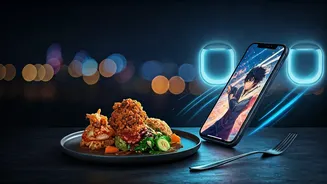







The Trip Is About the Taco
First, let’s talk about food. For years, cuisine was a happy byproduct of travel. You went to Paris and you happened to have a great croissant. Today, that logic is being flipped on its head. The croissant *is* the reason for the trip. This isn't just
about being a 'foodie'; it's about 'culinary tourism,' where the entire journey is architected around a specific dish, restaurant, or flavor profile. Younger travelers, particularly Millennials and Gen Z, are planning entire vacations to taste authentic cacio e pepe in Rome, seek out the best birria tacos in Jalisco, or follow a Michelin-starred chef to a remote corner of Spain. Why the shift? It’s about authenticity and experience. A photo of the Mona Lisa is identical to a million others. But the experience of discovering a tiny, family-run noodle shop in Kyoto is uniquely your own. It's tangible, sensory, and deeply personal—a story you can tell that no one else has.
Welcome to Set-Jetting
The second major force reshaping travel is what the industry has dubbed 'set-jetting'—traveling to the real-life locations from your favorite movies and TV shows. While fans have always visited Hobbiton in New Zealand or the *Game of Thrones* sets in Croatia, the trend has exploded thanks to streaming and global pop culture. And as the headline suggests, anime is a massive driver here. American fans are flocking to Japan to find the iconic staircase from the film *Your Name* in Tokyo or explore the traditional village that inspired scenes in *Demon Slayer*. It’s a pilgrimage. Visiting these places isn't about passive sightseeing; it's about actively stepping into a world you love. You’re not just seeing a pretty street; you’re seeing the backdrop where your favorite character had a life-changing moment. This desire for immersion transforms a vacation from a simple break into a chapter of your own fandom story.
Flights as the Enabler, Not the Obstacle
So how does 'flights' fit into this? It's not about a sudden obsession with airline loyalty programs or first-class seats. Instead, the approach to booking flights has become a strategic tool for enabling these passion-led trips. For one, it’s about value. Gen Z, in particular, has mastered the art of finding 'destination dupes'—more affordable alternatives to popular, overpriced hotspots. Think skipping the crowds in Santorini for the quiet beaches of Paros. Secondly, it’s about flexibility. Travelers are using flight deal alerts and budget airlines to book spontaneous trips based on a whim. If a cheap flight to Lisbon pops up, the decision is driven by the opportunity to go on a pastel de nata quest, not by a long-held desire to see Belém Tower specifically. The flight has become a means to an experiential end, with cost and convenience unlocking the potential for more frequent, niche, and interest-driven adventures.
The New Rules of a Meaningful Trip
When you put these three pieces together—food, media, and flexible travel—a clear picture emerges. The modern travel wishlist is no longer a static, universal list inherited from previous generations. It's a dynamic, deeply personalized expression of individual identity. These trends are fueled by a desire for tangible experiences over passive observation. You can’t taste a landmark. You can’t feel the energy of a fictional world from a textbook. This new mode of travel is also perfectly suited for the social media age. A picture of a unique dish or a recognizable anime location tells a much more interesting and personal story online than another selfie in front of a famous statue. It’s about building a personal brand and a life rich with unique stories, not just checking boxes off a pre-approved list.