




Beyond the Veggie Burger
When you hear “alternative protein,” your mind probably jumps to the plant-based burgers from Impossible Foods or Beyond Meat that now grace menus from Burger King to your local gastropub. But that’s just the appetizer. The world of alternative proteins
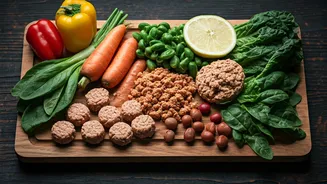
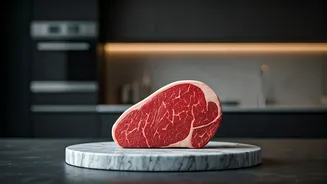
is a rapidly expanding universe built on three key pillars. First, you have the familiar **plant-based** options, which use ingredients like soy, pea, and wheat protein to mimic the taste and texture of meat. Second is the world of **fermentation**. This includes using microorganisms like fungi (the basis for Quorn's mycoprotein for decades) or precision fermentation, a high-tech process that uses microbes as tiny factories to produce specific ingredients like whey or collagen without involving an animal. Finally, there's the holy grail of food tech: **cultivated meat**. This involves growing real animal meat from a small sample of animal cells in a nutrient-rich, controlled environment called a cultivator. It’s 100% real meat, just made without the farm or the slaughterhouse.
The 'Why' Behind the Buy
The shift toward these alternatives isn’t happening in a vacuum. It’s being driven by a powerful convergence of consumer anxieties and aspirations. For a growing number of Americans, especially Millennials and Gen Z, consumption is a form of identity expression. Choosing an alternative protein isn't just about avoiding meat; it’s about aligning a daily act—eating—with a set of deeply held values. The primary driver is sustainability. Traditional animal agriculture is a massive contributor to greenhouse gas emissions, deforestation, and water usage. Alternative proteins promise a dramatically smaller environmental footprint. The Good Food Institute estimates that cultivated meat could reduce land use by over 95% and climate warming emissions by up to 92% compared to conventional beef. Alongside environmental concerns are ethical considerations about animal welfare and public health anxieties over antibiotics in livestock. For many, switching to a plant-based patty or, eventually, a cultivated chicken nugget is a tangible way to vote for a better system three times a day.
Decoding the 'Future-Food Flex'
So, what makes ordering the Impossible Bolognese a “flex”? It’s a subtle signal of several things. First, it’s a **tech-optimist flex**. You’re demonstrating a belief in science and innovation to solve big problems. Eating a burger engineered for flavor and sustainability says you’re living in the 21st century and embracing its possibilities. Second, it's a **values flex**. It telegraphs that you’re conscious, informed, and care about the planet and its inhabitants. In a world saturated with virtue signaling, this is one you can actually taste. Finally, it’s an **insider-knowledge flex**. Knowing the difference between a pea-protein burger and a precision-fermented dairy protein shows you’re paying attention. You’re not just a passive consumer; you’re an early adopter who understands the nuances of an emerging, world-changing industry.
From Niche Market to Mainstream Meal
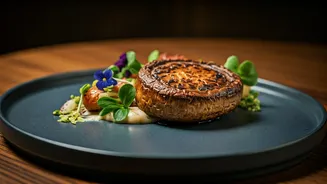
This isn't just a trend for coastal elites anymore. The future-food flex is going mainstream, thanks to a potent mix of capital, culture, and convenience. Venture capitalists are pouring billions into the sector, and celebrity investors from Leonardo DiCaprio to Jay-Z are lending their star power and capital. This investment is crucial for scaling production and driving down costs, which remain a key barrier for many consumers. Simultaneously, major food corporations and fast-food giants are hedging their bets, partnering with startups to get a piece of the action. When you can get a plant-based sausage patty at Starbucks or an Impossible Whopper on a cross-country road trip, the message is clear: this is no longer niche. While cultivated meat is only just beginning its regulatory journey in the U.S. (with brands like UPSIDE Foods and GOOD Meat getting the green light), its arrival in high-end restaurants marks the beginning of the next, even bigger, food flex.