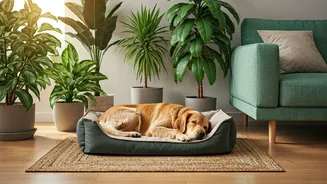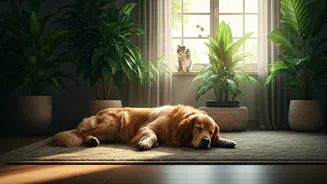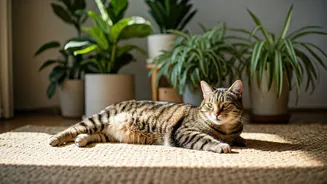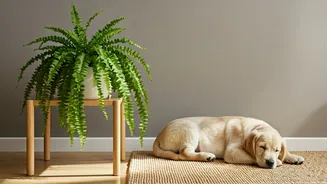







The Unseen Stressors in Your Home
To a pet, home is the entire world. And their experience of that world is far more intense than ours. A dog's sense of smell is up to 100,000 times more powerful than a human's, and a cat's hearing is sensitive enough to detect the ultrasonic squeaks
of rodents. This means the subtle elements of our homes that we barely register can be a source of chronic, low-grade stress for them. We’re talking about the off-gassing from new furniture, the lingering scent of a chemical floor cleaner, the high-frequency hum of an old refrigerator, or the synthetic fragrance pumped from a plug-in air freshener. These aren't just minor annoyances; for a sensitive animal, they are a constant sensory assault. This is where the principles of “green” design intersect with pet wellness. The core idea of creating a healthier, non-toxic space for humans inadvertently addresses many of the very things that overwhelm our animal friends.
Better Air, Happier Animals
The most significant overlap between a green home and a pet-friendly one is air quality. Volatile Organic Compounds (VOCs) are chemicals released by paints, carpets, vinyl flooring, and manufactured wood products. They contribute to that “new car smell” or “new paint smell” that many of us associate with freshness, but they are indoor pollutants. For pets living 24/7 at nose-level with these surfaces, the exposure is constant. It can lead to respiratory irritation, lethargy, and general malaise. A greener approach directly tackles this. Choosing low-VOC or zero-VOC paints is one of the easiest and most impactful changes. Opting for natural flooring like hardwood, cork, or bamboo over synthetic carpets can dramatically reduce a pet’s chemical exposure. And when it comes to scent, ditch the artificial. Instead of masking odors with chemical sprays, improve ventilation, use a high-quality HEPA air filter, or simmer a pot of water with cinnamon sticks and citrus peels for a natural, pet-safe aroma.
Soothing the Senses with Natural Materials
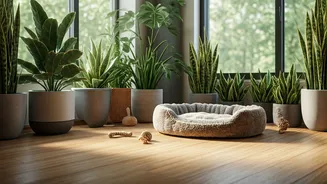
Think about the feel of a polyester blanket versus a soft wool or cotton one. Pets have preferences, too. Green living often prioritizes natural, renewable materials, and these are almost always a better choice for pet bedding, toys, and furniture. Materials like wool, cotton, hemp, and jute are breathable and less likely to build up static electricity, which can be irritating for furry animals. They also lack the chemical treatments and plastic odors of many synthetic fabrics. Consider your pet’s bed. A bed made from organic cotton or a wool-blend will be far more appealing than a polyester one that off-gasses chemicals. The same goes for toys. Choosing toys made from natural rubber, wood, or durable canvas instead of cheap, soft plastics reduces your pet’s exposure to potentially harmful substances like phthalates and BPA, which can leach from the plastic as they chew.
A Quieter, More Peaceful Environment
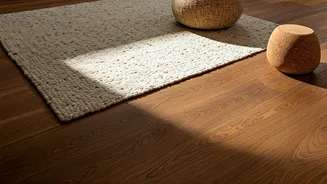
A key component of sustainable living is energy efficiency, which brings an unexpected benefit for anxious pets: silence. Modern, energy-efficient appliances—from dishwashers and washing machines to refrigerators and HVAC systems—are engineered to run much more quietly than their older counterparts. That constant, low-frequency hum or sudden, jarring clank of an old appliance can be a major source of anxiety for cats and dogs. A quieter home reduces this background noise, allowing a nervous animal’s system to relax. Beyond appliances, the design choices in a greener home can contribute to a calmer soundscape. Hard, reflective surfaces amplify sound. Homes that incorporate soft, natural materials like cork flooring, wool rugs, and heavy cotton curtains naturally absorb sound, dampening echoes and creating a more serene acoustic environment for everyone, especially the family member with the most sensitive ears.