







The End of the Itinerary Checklist
The traditional model of Indian international travel was built on efficiency and accessibility. For a generation tasting global travel for the first time, tour operators offered a brilliant package: see seven European countries in ten days, with guaranteed
vegetarian meals and a photo-op at every major monument. It was a formula that worked, introducing millions to the Eiffel Tower, Swiss Alps, and London’s Tower Bridge. The goal was to see as much as possible, a whirlwind tour of the world’s most famous postcards. The trip was a success if you returned with photos proving you were there. It was about consumption, not immersion; about seeing, not experiencing.
So, What Does 'Personality' Mean?
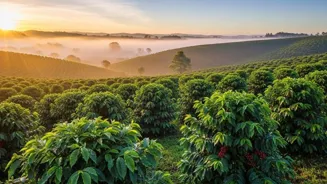
Today, the demand is shifting from the ‘what’ and ‘where’ to the ‘how’ and ‘why.’ A trip with “personality” isn't about luxury in the traditional sense of five-star hotels and Michelin-starred restaurants, though it can include those. It’s about authenticity, narrative, and a unique point of view. Instead of a bus tour of Rome, it's a pasta-making class in a local's home in Tuscany. Instead of just seeing the Northern Lights, it’s staying in a glass igloo and learning about Sámi culture in Finland. It’s trekking to a remote monastery in Bhutan, taking a deep dive into the coffee plantations of Colombia, or going on a self-drive adventure through the Scottish Highlands. These travelers, often younger, well-researched, and digitally savvy, are looking for experiences that can't be easily replicated. They want to come back with a story that’s uniquely theirs, not one shared with 50 other people on a tour bus.
The Forces Driving the Change
This isn't a random shift; it's fueled by powerful economic and cultural currents. First, there's the rapid growth of India’s middle and upper-middle classes. With more disposable income and global exposure, travel is no longer a once-in-a-lifetime event but a regular part of life. Second- and third-time international travelers aren't content to just see the main sights again. Second is the generational effect. Indian Millennials and Gen Z are the most connected and globally aware generations in the country’s history. They grew up with the internet, consuming global culture and planning their lives—and travels—through the lens of social media. This leads to the third driver: the Instagram effect. The desire for a unique, envy-inducing feed pushes travelers off the beaten path in search of novel backdrops and experiences that scream 'I'm not a tourist, I'm a traveler.'
A New Kind of Status
Ultimately, this trend represents a redefinition of status. The old status symbol was the ability to afford an international trip at all. The new status symbol is the curation of a unique experience. It’s about demonstrating taste, knowledge, and a sense of adventure. It’s less about saying “I went to Paris” and more about explaining the little-known bistro you discovered in a quiet arrondissement. Travel has become a key part of identity formation for this demographic. They are using their journeys to signal their values—whether it’s a commitment to sustainability by choosing an eco-lodge or a passion for history by taking an expert-led tour of ancient ruins. The trip itself is a form of self-expression.
What This Means for Global Tourism
The Indian outbound travel market is one of the fastest-growing in the world, projected to be worth over $42 billion. For destinations and travel companies, ignoring this shift is a critical mistake. Catering to this new Indian traveler means moving beyond stereotypes. It’s about offering more than just a “curry option” on the menu. It means providing authentic local experiences, enabling personalization, and understanding their digital-first approach to planning and booking. Destinations in the U.S. and beyond that can offer unique narratives—from national park adventures to immersive city cultural tours—are poised to capture a highly lucrative and influential market. These travelers are not just looking for a vacation; they are searching for a piece of themselves in a new corner of the world.