


Start with Smart Soil Prep
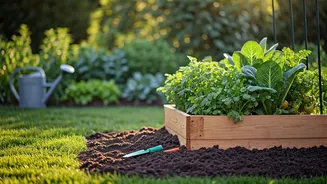
The single biggest time-saver in modern organic gardening is abandoning the annual ritual of tilling or double-digging your soil. This old-school approach is labor-intensive and actually damages the delicate soil ecosystem. Instead, embrace the 'no-dig'
or 'lasagna gardening' method. This involves layering organic materials—like cardboard, compost, and mulch—directly on top of your garden bed. The cardboard smothers existing weeds, and the compost creates a rich, fertile layer for your plants to thrive in. You build healthy soil from the top down. The time you save is immense: no back-breaking digging in the spring, and significantly fewer weeds throughout the season, as you haven’t brought dormant weed seeds to the surface.
Plant Intensively, Not in Rows
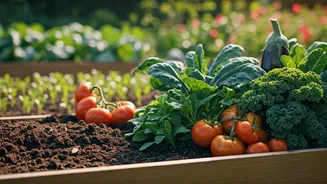
Traditional gardens with long, single-file rows of vegetables waste a surprising amount of space. To maximize your yield, think in terms of square feet, not long lines. Methods like Square Foot Gardening (SFG) divide your garden beds into a grid of 1x1-foot squares. Each square is planted with a specific number of plants depending on their size—one tomato, four lettuces, or sixteen radishes, for example. This intensive spacing creates a living mulch, where the leaves of mature plants shade the soil, which helps retain moisture and suppress weeds. You get more food from a smaller area, which means less ground to water, weed, and manage. It’s a system designed for pure efficiency.
Choose High-Yield, Low-Fuss Crops
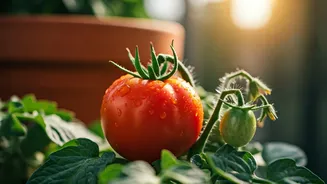
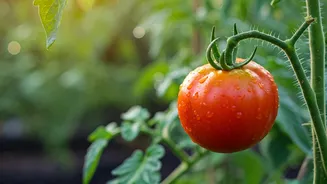
Not all vegetables are created equal when it comes to return on investment. If your goal is maximum yield for minimal effort, focus on plants that are either incredibly productive or grow very quickly. Indeterminate tomatoes, for instance, will produce fruit all season long from a single plant. Zucchini and other summer squashes are famously prolific. Pole beans will produce far more in the same footprint than bush beans. On the 'fast' side of the equation, crops like radishes, arugula, and many salad greens can go from seed to harvest in just 30-40 days. By prioritizing these high-impact vegetables, you ensure your small pockets of gardening time result in a tangible, edible reward.
Master the Art of Succession Planting
A highly productive garden is never idle. Succession planting is the key to getting multiple harvests from the same piece of ground in a single season. The concept is simple: as soon as one crop is harvested, another is planted in its place. When your spring radishes are pulled up, that space is immediately used for a heat-loving crop like bush beans. After you harvest your garlic in mid-summer, you can plant a quick-growing crop of fall spinach or lettuce. This requires a little bit of planning but transforms your garden from a one-and-done space into a continuously productive plot. Instead of getting one big harvest, you get a steady, manageable supply of fresh vegetables from spring through fall, maximizing your total yield without needing more land.
Work with Nature, Not Against It
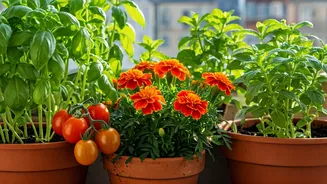
The most time-efficient gardener knows how to let nature do the heavy lifting. The most important tool here is mulch. A thick, 2-to-4-inch layer of organic mulch (like straw, shredded leaves, or wood chips) is a game-changer. It dramatically reduces the time you spend weeding, conserves soil moisture so you water less often, and regulates soil temperature. As it breaks down, it also feeds the soil. Another strategy is to plant flowers like marigolds or alyssum among your vegetables to attract beneficial insects. These predator bugs, like ladybugs and lacewings, will control pests like aphids for you, reducing the need for manual intervention or sprays. By creating a balanced ecosystem, your garden starts to take care of itself.