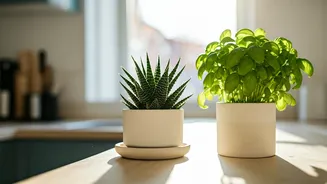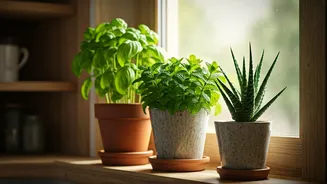




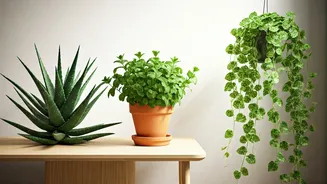
The Culinary Workhorse: Basil
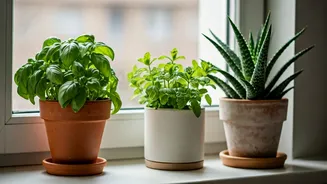
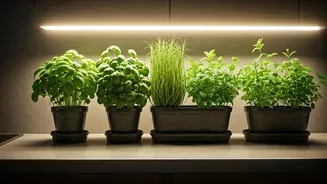
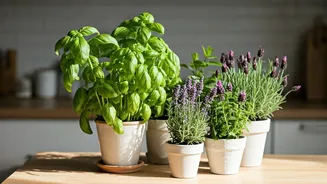
If you could only have one culinary herb, basil would be a top contender. Its sweet, aromatic leaves are the soul of pesto, the perfect partner to tomatoes, and a bright, fresh finish for everything from pizza to pasta. In a tiny home, having a pot of fresh basil on your
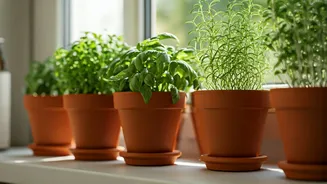
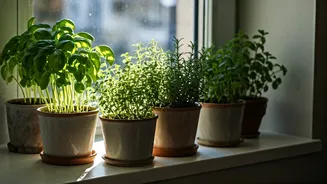
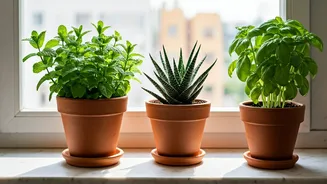
windowsill is a game-changer, eliminating the need to buy expensive, plastic-packaged herbs that wilt in days. The plant’s vibrant green color adds a welcome splash of life to a small kitchen, while its wonderful fragrance acts as a natural air freshener. Beyond its taste, the simple act of snipping off a few leaves for dinner connects you to your food and home in a deeply satisfying way. It’s a low-effort, high-reward plant that continuously gives back. **Tiny Home Care:** Basil loves sun, so a south-facing windowsill is its ideal home. It requires at least six hours of direct light a day to thrive. Keep the soil consistently moist but not waterlogged—think damp, not drenched. A pot that’s at least 6-8 inches in diameter will give its roots enough room. To encourage a bushy, full plant, pinch off the top sets of leaves regularly, which is easy to do since you’ll be harvesting it for meals. This prevents the plant from getting “leggy” and producing flowers, which can make the leaves bitter.
The Prolific Refresher: Mint
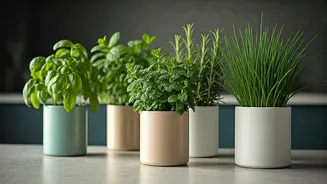
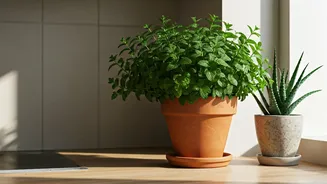
Mint is the energizer bunny of the herb world. It grows vigorously, offers an invigorating scent, and is incredibly versatile. A few fresh leaves can transform a simple glass of water into a refreshing drink, muddle into a mojito, or be brewed into a soothing tea to aid digestion. Its ability to grow quickly means you'll have a nearly endless supply. In a tiny home, where smells can linger, a pot of mint provides a constant, clean aroma that can help deodorize the space. While some gardeners fear its aggressive nature, that's precisely what makes it a hero in a container. It will happily fill its pot without trying to take over your entire living space. **Tiny Home Care:** This is the most important rule for mint: always keep it in its own container. Its roots, or “runners,” will aggressively spread and choke out other plants if given the chance. A 10-inch pot is a good starting point. Unlike basil, mint is more tolerant of lower light conditions, making it suitable for a less-sunny window, though it still prefers bright, indirect light. Keep the soil moist and harvest often by snipping stems just above a set of leaves. This encourages bushier growth and keeps your supply plentiful. There are dozens of varieties to explore, from spearmint and peppermint to more exotic types like chocolate mint or apple mint.
The Living First-Aid Kit: Aloe Vera
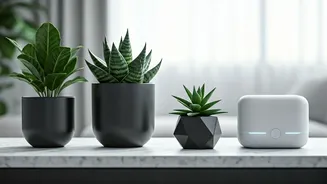
Aloe Vera is the ultimate multi-tasking plant, combining sculptural beauty with practical first-aid benefits. Its thick, fleshy leaves contain a soothing gel that is a go-to home remedy for minor sunburns, kitchen scalds, and general skin irritation. Having a living source of this gel on hand saves you a trip to the pharmacy and space in your medicine cabinet. As a succulent, aloe is incredibly low-maintenance and forgiving, making it perfect for busy people or novice plant owners. Its modern, architectural shape adds a touch of desert-chic style to any interior, providing visual interest without demanding much in return. While its air-purifying qualities are often mentioned, its primary superpower in a small space is its utility as a living first-aid kit. **Tiny Home Care:** Aloe’s biggest enemy is too much love, specifically too much water. It thrives on neglect. Plant it in a terracotta pot with a drainage hole, using a cactus or succulent-specific potting mix that allows for fast drainage. Water it deeply, but only when the soil is completely dry to the touch—roughly every 2-3 weeks. It loves bright, indirect light but can scorch in intense, direct sun. To use it, simply slice off a small piece of a mature outer leaf, squeeze out the clear gel, and apply it directly to the skin. The plant will heal itself where it was cut.