





A Modern Answer to an Ancient Need
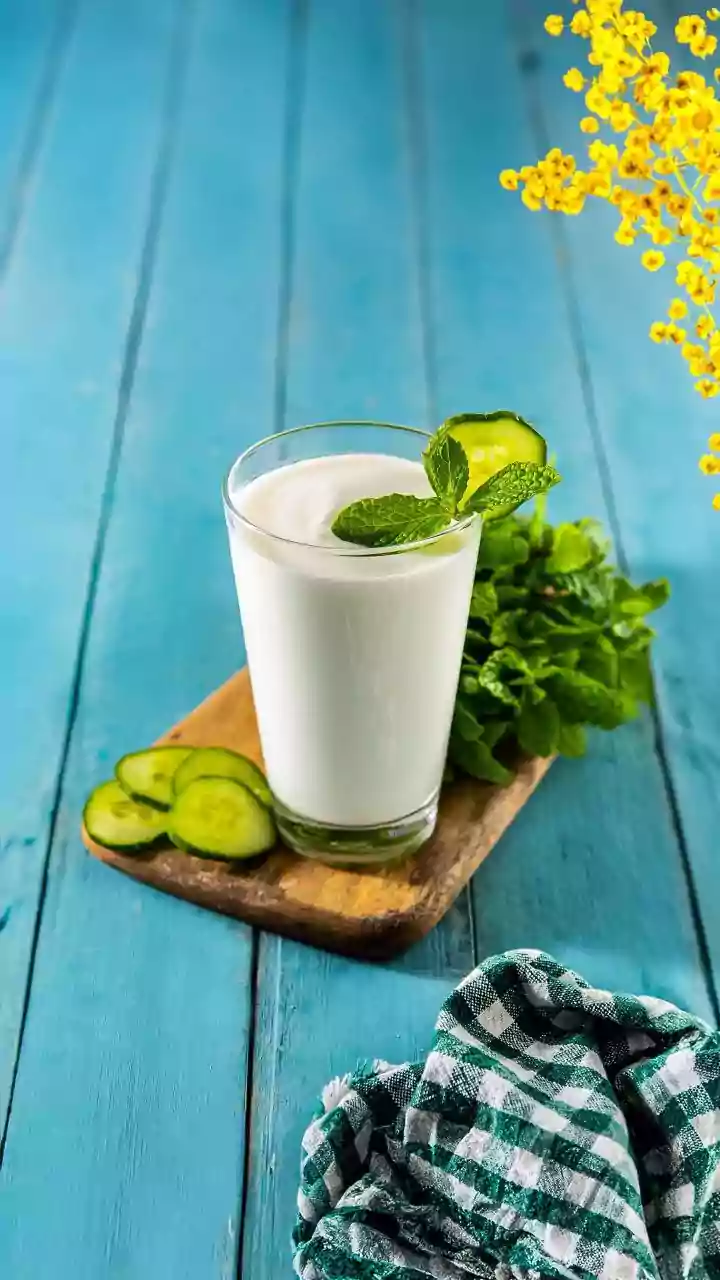
For generations, the go-to refreshing drink in India has been the lassi—a creamy, yogurt-based cooler, often blended with fruit like mango. But as life in major cities like Mumbai, Bangalore, and Delhi accelerates, the demand for something quicker, healthier,
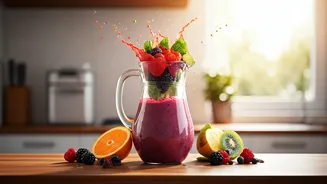
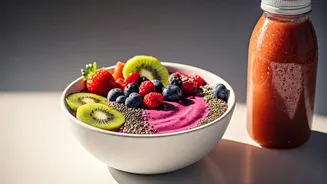
and more portable has skyrocketed. The smoothie, a concept familiar from Western media, has seamlessly slotted into this gap. It's not so much a foreign invasion as it is a modern evolution. The smoothie offers the convenience of a meal-in-a-cup for a time-crunched urban workforce. For a growing, health-conscious middle class, it represents a tangible way to embrace wellness, offering a nutritious fix that feels both indulgent and virtuous. It's the perfect solution for a generation juggling demanding careers, social lives, and a newfound focus on personal health.
The Great Indian Flavor Remix
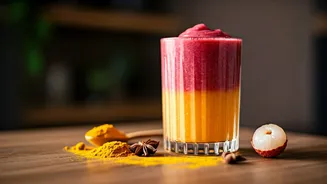
This is where the story gets truly interesting. India isn't just adopting the smoothie; it's redefining it. While you can certainly find a classic strawberry-banana blend, the real magic is happening with local ingredients. Smoothie bars are crafting concoctions with fruits that are staples of Indian households but may be exotic to a Western palate. Think creamy, malty chikoo (sapota), sweet sitaphal (custard apple), and the rich, iconic flavor of Alphonso mangoes. Spices aren't just for curries, either. A pinch of cardamom, a thread of saffron, or a dash of turmeric (a nod to the 'golden milk' tradition) can elevate a simple fruit smoothie into something complex and uniquely Indian. Natural sweeteners like jaggery and dates are often favored over processed sugar, aligning with a more holistic approach to health. It's a culinary dialogue between a global format and a deeply local flavor palette.
The Business of Blending
Sensing a major opportunity, entrepreneurs have jumped on the trend. What started with small, independent juice stands has blossomed into a full-fledged industry. Homegrown chains like Drunken Monkey, which bills itself as one of India's largest smoothie bar chains, have expanded aggressively, with hundreds of outlets across the country. Their menus are a testament to the Indianization of the smoothie, featuring dozens of creative blends that cater specifically to local tastes. These businesses are thriving not just by selling a product, but by selling a lifestyle—one of health, convenience, and modern aspiration. They are bright, clean, and digitally savvy, using social media and delivery apps to reach a young, connected customer base. This commercial success is the clearest sign that the smoothie is no fleeting fad but a permanent fixture in India's modern food scene.
More Than Just a Drink
Ultimately, the rise of the smoothie in India tells a bigger story. It’s a symbol of a country that is confidently blending global influences with its own rich heritage. It reflects economic change, with a new consumer class demanding higher quality and healthier options. And it showcases a cultural shift, where ancient traditions around food and wellness are being adapted for the 21st century. The same way yoga was exported and adapted by the West, the smoothie has been imported and reimagined by India. It’s no longer just a ‘Western’ health food; it has been infused with local flavor, history, and identity. In every glass, you find a taste of modern India—dynamic, delicious, and always evolving.