

An Ancient Grain Gets a Modern Reboot
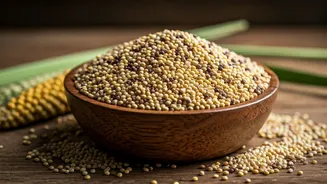
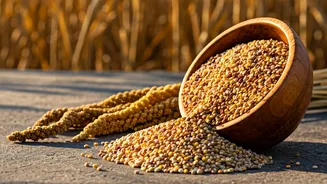
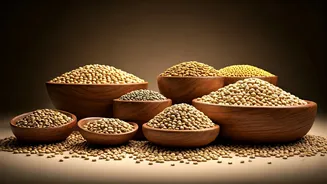
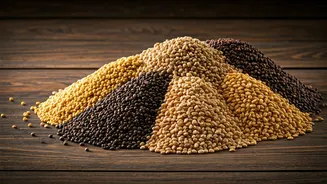
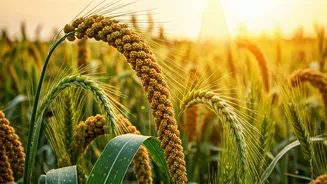
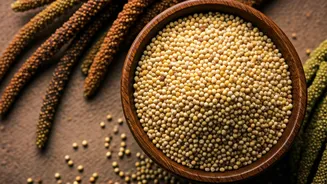
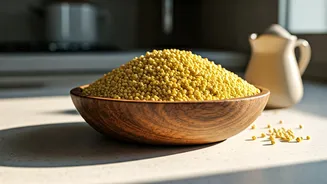
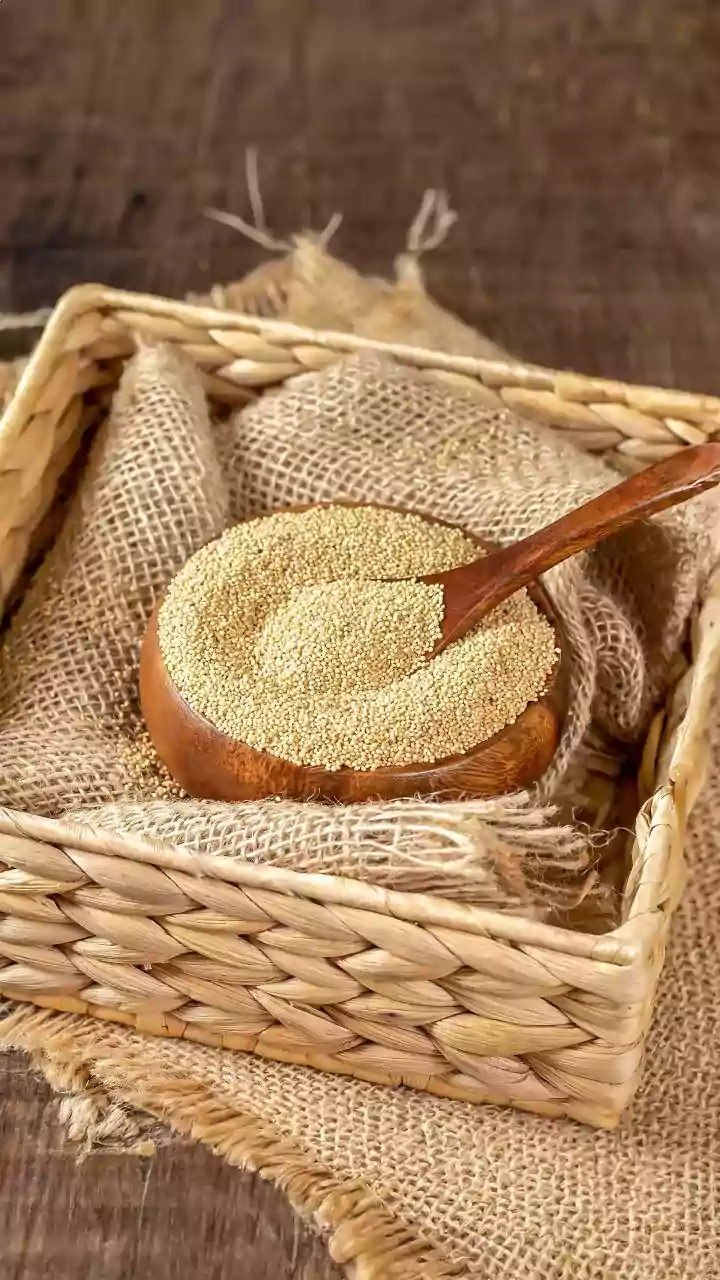
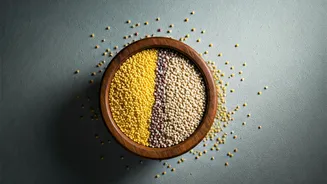
First, let's get acquainted. Millet isn’t one specific grain, but a group of small-seeded grasses that have been cultivated for over 7,000 years across Africa and Asia. For millennia, it was a foundational food source, far more common than rice or wheat
in many cultures. So why the comeback now? The United Nations declared 2023 the “International Year of Millets,” shining a global spotlight on its potential to combat food insecurity and climate change. This global push has trickled down to chefs, home cooks, and health-conscious consumers in the U.S., who are rediscovering what much of the world never forgot: millet is a powerhouse.
The Nutrition-Packed, Gluten-Free Hero
One of the biggest drivers of millet’s resurgence is its impressive nutritional profile. In a world increasingly wary of gluten and refined carbs, millet offers a welcome alternative. It's naturally gluten-free, making it a safe and satisfying choice for those with celiac disease or gluten sensitivity. But its benefits go far beyond that. Millet is packed with fiber, which aids digestion and promotes a feeling of fullness, helping to manage weight. It's also a good source of plant-based protein and essential minerals like magnesium, phosphorus, and manganese. Unlike some grains that can cause a rapid spike and crash in blood sugar, millet is a complex carbohydrate that provides sustained energy, making it a smart addition to any meal, especially breakfast.
Good for You, Better for the Planet
The conversation around food is no longer just about personal health; it's about planetary health, too. This is where millet truly shines. Often called a “climate-smart” crop, millet is remarkably resilient. It’s drought-tolerant and can thrive in arid conditions with minimal water, a stark contrast to thirsty crops like rice and corn. It doesn't require the heavy use of fertilizers or pesticides that many conventional grains depend on, which helps maintain soil health and reduces chemical runoff. By choosing millet, consumers and chefs are indirectly supporting a more sustainable agricultural system—one that is better equipped to handle the challenges of a changing climate. It's a small choice in the kitchen that supports a much larger ecological goal.
How to Bring Millet Into Your Kitchen
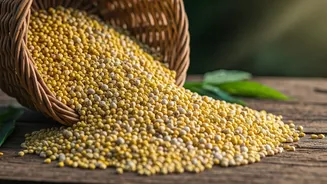
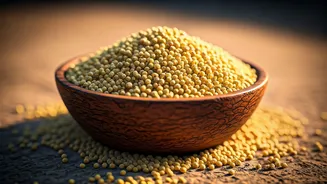
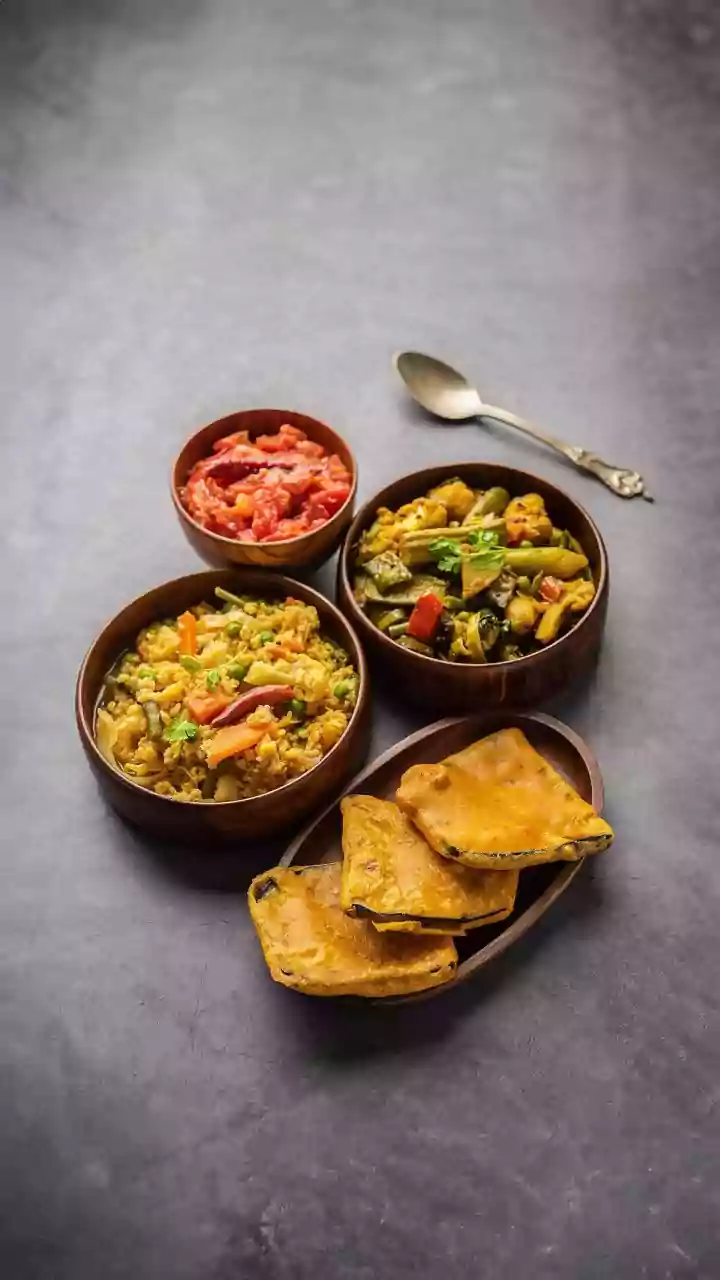
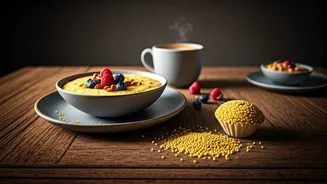
Okay, so you're sold on the idea. How do you actually use it? The beauty of millet lies in its versatility. It has a mild, slightly nutty flavor that allows it to adapt to both sweet and savory dishes. Cooked one way, it can be light and fluffy like quinoa; cooked with more liquid and stirred frequently, it becomes creamy and smooth, like polenta or grits. Start simple: use it as a base for a grain bowl, topped with roasted vegetables, a protein, and a zesty dressing. Make a batch of creamy millet porridge for breakfast, topped with fruit and nuts. You can also find millet flour, which adds a delicate, cake-like crumb to gluten-free breads, muffins, and pancakes. On menus, you’ll find it in veggie burgers, hearty salads, and as a comforting side dish, proving its culinary range is as impressive as its nutritional stats.