



What 'Seasonal Eating' Really Means
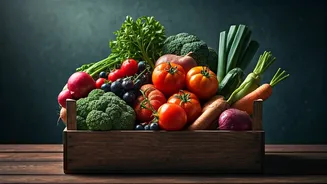
Before it became a trendy hashtag, eating seasonally was just…eating. It’s the simple practice of consuming fruits and vegetables at the time of year they are naturally harvested in your local or regional area. Think of juicy, sun-ripened tomatoes in the peak
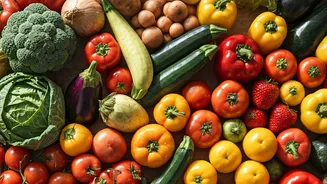
of summer, crisp apples in the fall, hearty root vegetables through the winter, and tender asparagus spears heralding the spring. It’s a return to an agricultural rhythm that modern supermarkets have allowed us to forget. In a world where you can buy strawberries in January and butternut squash in May, seasonal eating is a conscious choice to align your plate with the planet's natural cycles. It’s less about rigid rules and more about a mindset: paying attention to what’s fresh, abundant, and grown nearby.
The Climate Shortcut Explained
So, how does choosing a seasonal peach over a winter one become a climate-friendly shortcut? The answer lies primarily in energy and transportation. When you demand produce out of season, it has to travel long distances from warmer climates, a concept known as "food miles." A typical plate of American food travels 1,500 miles to get from farm to table, burning fossil fuels and releasing CO2 every step of the way. But it's not just about distance. To grow that tomato in the dead of a Michigan winter, it likely needs to be cultivated in an energy-intensive heated greenhouse. These structures require a tremendous amount of power for heating and artificial lighting. Studies have shown that a locally grown, out-of-season hothouse tomato can have a larger carbon footprint than one grown seasonally in the open air and shipped from Mexico. By choosing foods that are *in season* where you live, you sidestep the need for both long-haul shipping and energy-guzzling greenhouses, effectively cutting out major sources of carbon emissions from your diet.
The Delicious 'Side Effects'
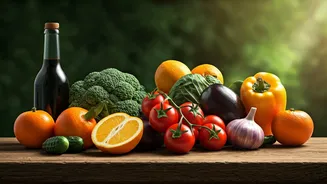
The climate benefits are compelling, but the personal rewards are what make seasonal eating a sustainable habit. First, there’s taste. Produce that's picked at its peak of ripeness and sold shortly after harvest is simply more flavorful. A summer tomato tastes like sunshine; a winter tomato tastes like disappointment. Second, there’s nutrition. The moment a fruit or vegetable is picked, its nutrient content begins to decline. Produce that travels long distances or sits in storage for weeks has less nutritional value than its freshly picked counterpart. Eating seasonally means you’re getting more vitamins, minerals, and antioxidants with every bite. Finally, there's the economic benefit to your community. Buying seasonal food often means buying from local or regional farmers, strengthening your local economy and preserving farmland in your area.
How to Get Started (Without the Stress)
Adopting a seasonal diet doesn't have to be an all-or-nothing overhaul. The goal is progress, not perfection. Start with small, simple swaps. The best place to begin is your local farmers market. It's a living, breathing calendar of what's in season. Talk to the farmers; ask them what’s tasting best right now and how they like to cook it. Another great option is joining a Community Supported Agriculture (CSA) program, where you receive a weekly or bi-weekly box of produce directly from a farm. This forces you to get creative with what's available. You can also simply pay more attention at the grocery store. Look for signs indicating local produce or use an online seasonal food guide for your state, often available from university extension programs. Challenge yourself to build one meal a week around a seasonal star, and let your curiosity guide you from there.