


An Island Apart
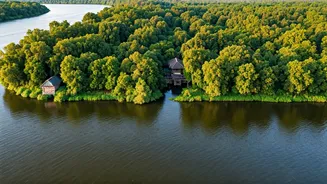
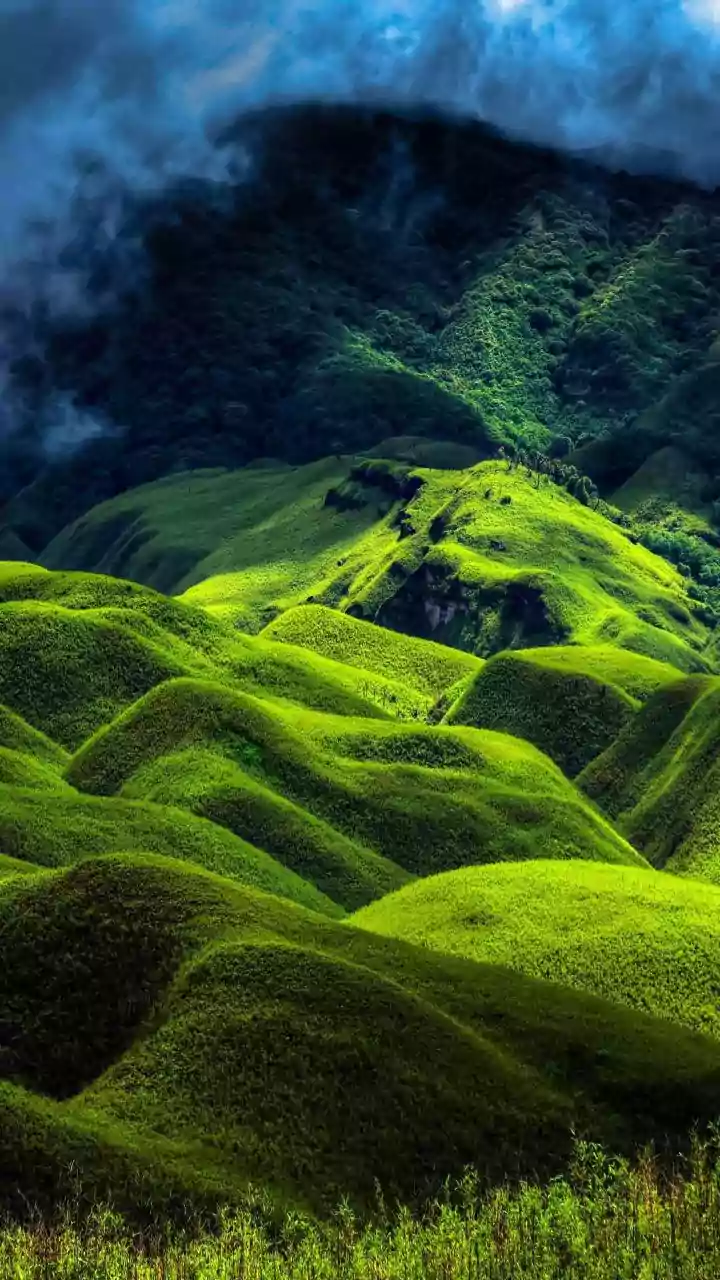
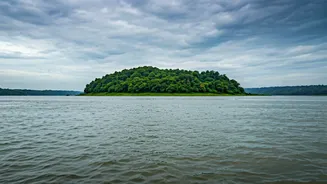
Majuli isn't just an island; it's a world unto itself. Recognized as one of the world's largest river islands, it’s a fragile ecosystem of rice paddies, wetlands, and small villages built on stilts, all shaped by the river’s seasonal moods. Life here
moves at a different pace, dictated by sunlight and water. The air feels cleaner, the greens are deeper, and a sense of tranquility pervades everything. But this serenity is precarious. The same river that gives Majuli life also threatens to consume it, with monsoon floods and constant erosion shrinking its landmass year by year. To visit Majuli is to witness a culture that has learned to live in profound, delicate balance with nature.
Stepping into the Sattra
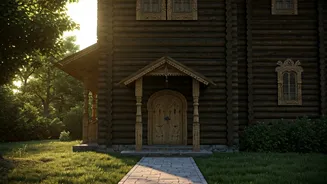
At the heart of Majuli’s unique identity are the sattras, monasteries and cultural centers established in the 15th century by the social-religious reformer Srimanta Sankardeva. These are not the silent, stone fortresses one might imagine. A sattra is a living, breathing community hub, typically centered around a large prayer hall (namghar) and surrounded by ponds and the modest dormitories of monks, known as bhakats. These institutions are the epicenters of Neo-Vaishnavism, a uniquely egalitarian and accessible branch of Hinduism that emphasizes devotion through artistic expression. Walking into a sattra like Auniati or Kamalabari feels like stepping back in time, entering a space where faith is woven into the very fabric of daily life.
The Rhythm of Devotion
The daily life of a bhakat is a disciplined cycle of prayer, work, and art. Mornings begin before dawn with chanting and prayers that echo through the wooden pillars of the namghar. Monks, from young boys in training to wizened elders, gather to sing hymns and play traditional instruments like cymbals (bhortal) and drums (khol). There is no rigid caste system here; entry is open to all who seek a life of devotion. During the day, they tend to the fields, manage the sattra’s affairs, and, most importantly, dedicate themselves to mastering the sacred arts. It’s a holistic existence where spiritual practice isn't confined to an hour of prayer but infuses every act.
Where Art Becomes Worship
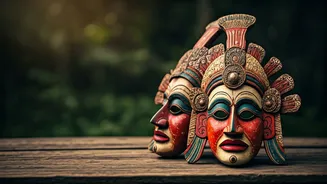
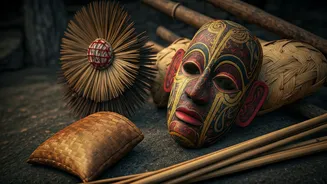
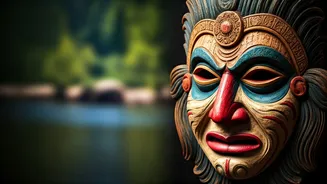
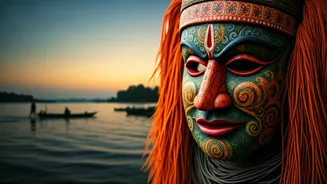
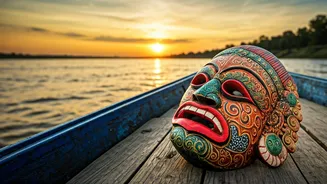
In the sattras of Majuli, art is the highest form of prayer. This is most vividly seen in three key traditions. The first is Sattriya, a classical dance form that originated here. Once performed only by male monks within the monasteries, it is a graceful, expressive dance that narrates religious stories and philosophical ideas. The second is Bhaona, a form of religious street theater featuring elaborate costumes and dramatic storytelling from Hindu epics. Central to these performances are the incredible masks of Majuli. In sattras like Samaguri, artisans meticulously craft expressive masks from bamboo, clay, and cloth, creating larger-than-life characters of gods, demons, and animals. To watch a performance is to see centuries of devotion, mythology, and artistry come alive.