





The New Definition of Family
For an increasing number of urban Indians, the traditional family structure is evolving. With rising incomes, higher levels of education, and many professionals choosing to marry and have children later in life, pets have moved from the backyard to the center
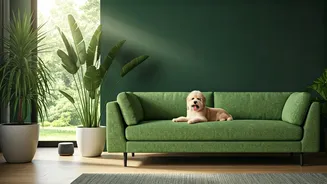
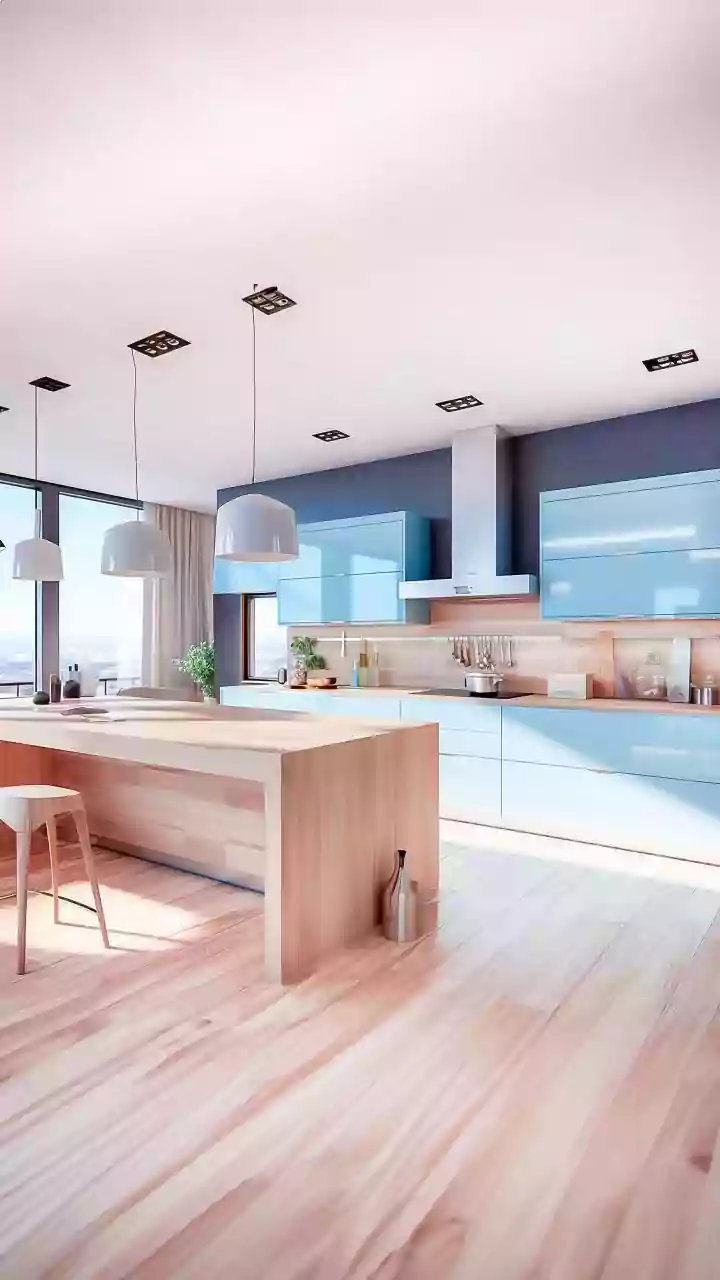
of the household. This isn't just about owning a dog or cat; it’s about 'pet humanization.' These animals are considered family members with their own needs, emotional states, and right to a comfortable life. This cultural shift is driving a new set of consumer demands. Pet parents, often affluent millennials and Gen Z, are willing to spend significantly on premium food, grooming, and healthcare. It was only a matter of time before this expenditure extended to the largest purchase of all: their home. They aren't just looking for a pet-friendly building; they are seeking an environment purposefully designed around a multi-species family.
The 'Green' Imperative for Paws
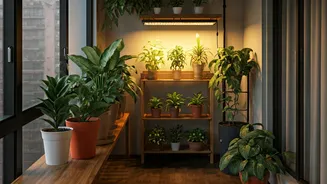
The demand for 'green' homes isn't just about global environmental consciousness; it’s deeply personal. Indian pet parents are acutely aware of the impact of environment on health, both for themselves and their pets. In cities that often grapple with air quality issues, a home with superior ventilation and advanced air filtration systems is a top priority. They want to ensure their pets aren't breathing in pollutants.
This extends to the very materials used in construction. The checklist now includes non-toxic paints and finishes that don't release volatile organic compounds (VOCs), which can be harmful to pets who spend most of their lives indoors. Flooring is another major consideration. Buyers are asking for durable, scratch-resistant, and easy-to-clean materials like high-quality laminate or treated hardwood, moving away from porous stone or delicate carpets that can trap fur and allergens. A green home, in this context, is a healthy home.
A Home That Makes 'Sense'
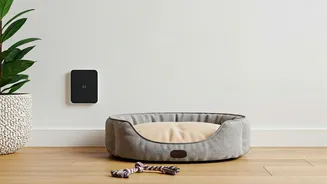
The phrase 'with sense' carries a powerful double meaning. First, it points directly to the integration of smart home technology—a home full of sensors. Imagine being at work and using your phone to check a pet-cam, dispense a treat from a smart feeder, or even adjust the thermostat if it gets too hot for your golden retriever. This isn't science fiction; it’s becoming a key selling point. Automated lighting can provide comfort for an animal left alone, and smart locks can grant secure access to a dog walker.
Second, it implies 'sensible' design. This is about practicality and foresight. Architects and developers are now incorporating features like dedicated pet-washing stations in utility areas, built-in feeding nooks that keep bowls out of high-traffic zones, and secure, reinforced balconies so a curious cat can enjoy the view safely. Windows might be designed to be lower to the ground to give a dog a clear line of sight to the world outside. Every detail is being rethought through the eyes of a pet owner.
Developers are Listening
This isn't just a niche demand from a few quirky buyers. The Indian real estate market is responding in a big way. High-end residential projects in cities like Mumbai, Bengaluru, and Delhi are now actively advertising these features. It's a clear differentiator in a competitive market. The focus is shifting from simply allowing pets to actively welcoming them with purpose-built infrastructure.
This extends beyond the four walls of the apartment. Gated communities are being developed with dedicated, leash-free pet parks, agility courses, and beautifully landscaped walking trails. Some luxury complexes even boast on-site pet spas and grooming services. For the modern Indian pet parent, home is no longer just a status symbol for humans, but a holistic ecosystem that provides safety, comfort, and happiness for every member of the family, regardless of species.