
The Rise of the Micro-Farm
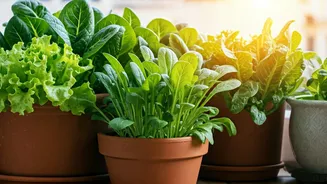
The phrase “salad bowl factory” isn’t an exaggeration; it’s a strategy. Instead of planting a traditional garden with a single, large harvest, modern small-space gardeners are focusing on high-yield, quick-turnover crops. Think of your patio pot not as a static
decoration but as a tiny, living production line. This approach combines smart plant selection with simple techniques to maximize output in minimal square footage. It’s a response to rising grocery prices, a desire for better-tasting, healthier food, and the simple joy of snipping your own lunch from a pot just outside your door. Whether you have a sprawling yard or just a sliver of sunlight on a fire escape, this method makes homegrown food accessible.
Choose Your High-Yield Players
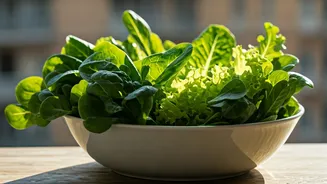
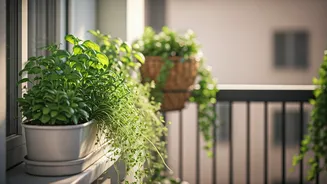
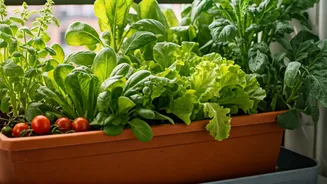
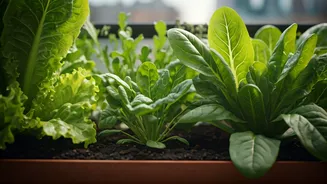
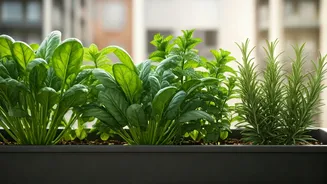
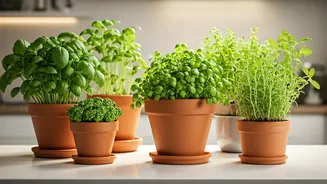
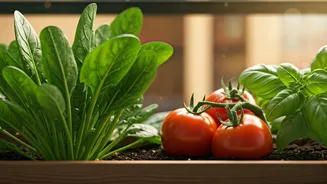
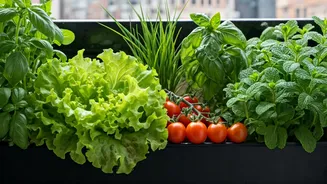
The secret to a productive salad garden is choosing the right plants. You're looking for greens that are happy in containers and, most importantly, follow the “cut-and-come-again” model. This means you can harvest their outer leaves, and the plant will continue to produce new ones from its center for weeks or even months. The best candidates for your salad factory include loose-leaf lettuces (like 'Black Seed Simpson' or 'Red Sails'), spinach, arugula, Swiss chard, and kale. Herbs are also fantastic partners. Basil, cilantro, mint, and parsley can all be snipped regularly and will regrow with vigor. Avoid head lettuces like iceberg or romaine, which require you to harvest the entire plant at once and take longer to mature.
Master the Container and Location
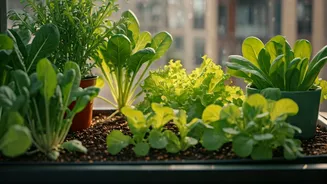
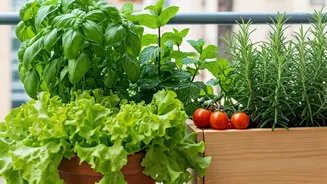
Your success hinges on giving these plants a happy home. Most salad greens have shallow root systems, so you don't need extremely deep pots, but you do need good drainage. Any container with holes at the bottom will work, from a classic terracotta pot to a fabric grow bag or a rectangular window box. For a 12-inch pot, you can comfortably plant several lettuce plants around the edge. The most critical ingredient, however, is sunlight. Most greens need at least 4-6 hours of direct sunlight per day to thrive. Before you buy a single seed, watch your space for a day to see where the sun hits and for how long. Finally, use a high-quality potting mix, not heavy garden soil. Potting mix is lightweight, drains well, and provides the perfect sterile environment for roots to grow without compaction.
The Continuous Harvest Method
This is where the “factory” truly comes to life. Don't plant all your seeds at once. Instead, practice “succession planting.” Every two weeks, sow a small batch of new seeds. This creates a staggered harvest, so as one set of plants begins to slow down, a new set is just reaching its peak. This simple rhythm ensures you never have a glut of lettuce followed by a month of nothing. When it's time to harvest, don't pull the whole plant up. For cut-and-come-again greens, use scissors or your fingers to snip the outer, larger leaves, taking no more than one-third of the plant at a time. Leave the central crown and smaller inner leaves intact. This C-section for plants signals them to keep producing, extending your harvest from a single planting for a surprisingly long time.