



The ‘Skinification’ of Hair
If you’ve noticed your haircare aisle suddenly looks a lot like the skincare aisle, you’re not imagining things. Welcome to the era of “skinification,” the industry’s biggest shift in decades. The core idea is simple: the skin on your head deserves the same
attention, ingredients, and care routines as the skin on your face. For too long, haircare was purely cosmetic, focusing on coating strands to make them appear smoother, shinier, or thicker. This new approach is about treating the biological source. Think about it: we cleanse, exfoliate, tone, and moisturize our faces to create a healthy canvas. The scalp, which is also skin, has been largely ignored—stuffed under hats, clogged with dry shampoo, and starved of attention. But dermatologists and trichologists (hair and scalp specialists) have long known that hair health is a direct reflection of scalp health. The mainstream market is just now catching up, infusing scalp scrubs, serums, and rinses with powerhouse skincare ingredients like salicylic acid, hyaluronic acid, and niacinamide.
Think of Your Scalp as a Garden
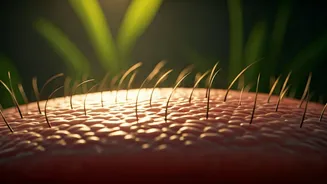
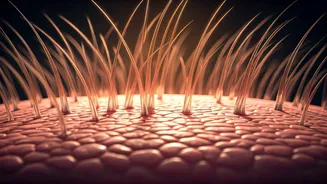
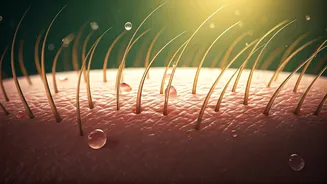
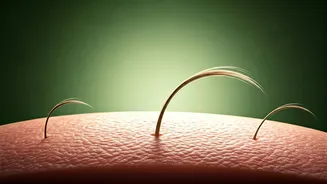
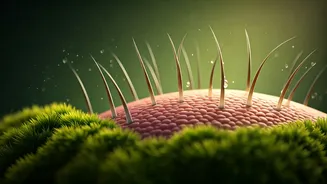
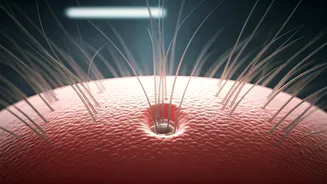
The easiest way to understand this connection is with a simple analogy: if your hair is the plant, your scalp is the garden. You can’t grow lush, beautiful flowers in depleted, unhealthy soil. Similarly, you can’t expect to grow strong, vibrant hair from a scalp that’s inflamed, clogged, or unbalanced. Each strand of hair grows from a follicle, a tiny organ embedded in the scalp. The health of that follicle determines the quality of the hair it produces. A congested follicle, blocked by product buildup, dead skin cells, and excess oil (sebum), can impede hair growth and even lead to thinner, weaker strands. An inflamed or irritated scalp can disrupt the hair growth cycle. By creating a clean, balanced, and well-nourished environment at the follicular level, you are setting the stage for your best hair possible. It’s a shift from a reactive strategy—fixing split ends and frizz—to a proactive one: building better hair from the very beginning.
What’s Your Scalp Telling You?
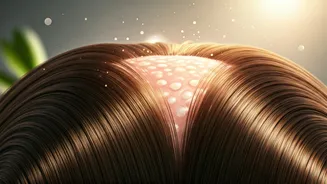
Just like facial skin, scalps have different types and concerns. Learning to read the signs is the first step toward giving it what it needs. **Product Buildup:** If your hair feels perpetually weighed down, greasy at the roots even after washing, or looks dull, you likely have buildup. This is a mix of styling products, dry shampoo, natural oils, and dead skin cells creating a film on your scalp and hair shaft. A clarifying shampoo or a gentle scalp exfoliant is your best friend here. **Dryness and Flaking:** A tight, itchy, or flaky scalp often points to dryness, which can be caused by harsh shampoos, overwashing, or environmental factors. This isn't necessarily dandruff (which is caused by a yeast-like fungus). A dry scalp needs hydration. Look for sulfate-free shampoos and hydrating scalp serums with ingredients like hyaluronic acid or aloe vera. **Excess Oil:** If your roots are an oil slick by the end of the day, your scalp is overproducing sebum. It’s tempting to use stripping shampoos, but this can backfire, causing the scalp to produce even more oil to compensate. Instead, seek balance with ingredients like salicylic acid or tea tree oil, which gently exfoliate and control oil without over-drying.
Your Simple Scalp Care Starter Kit
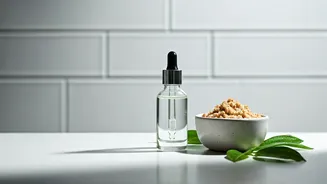
You don't need a complicated 10-step routine to start seeing benefits. Incorporating a few key steps can make a huge difference. 1. **Exfoliate Weekly:** Just as you exfoliate your face, your scalp needs it too. A physical scrub (with sugar or salt) or a chemical exfoliant (with AHAs/BHAs like glycolic or salicylic acid) will lift away dead skin cells and dissolve buildup, allowing follicles to breathe. Don't overdo it—once a week is plenty for most. 2. **Cleanse Thoroughly:** When you shampoo, focus your attention on the scalp. Use your fingertips (not nails) to massage the shampoo in for at least a full minute. This helps break down oils and stimulates blood flow, which is crucial for delivering nutrients to the hair follicles. 3. **Treat with a Serum:** This is the most direct way to deliver targeted ingredients. After washing, on damp or dry hair, apply a few drops of a scalp serum directly to your roots and massage it in. Whether you need hydration, soothing, or stimulation for growth, there's a serum for it. It's the most potent step in your new routine.