

1. It Has Unbelievable Durability
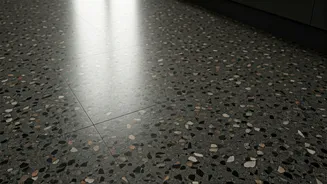
The number one reason terrazzo is specified for airports, schools, and busy lobbies is its incredible strength. Terrazzo is not a single material but a composite, traditionally made by embedding marble, quartz, or granite chips into a binder like cement
or epoxy. This creates a surface that is incredibly resistant to cracking, chipping, and wear. When you walk through a century-old European building or a classic mid-century airport, the beautiful, intact floor under your feet is often terrazzo. It’s built to withstand rolling luggage, constant foot traffic, and heavy furniture without showing the kind of wear that would quickly degrade hardwood, laminate, or even standard tile. For a home, this means a kitchen, mudroom, or hallway floor that can handle dropped pans, muddy boots, and running kids for decades.
2. It’s a Champion of Sustainability
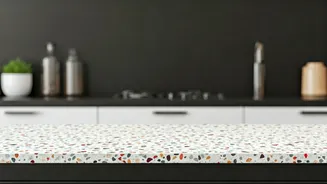
The “recycled” in recycled terrazzo isn’t just a buzzword. This modern take on a classic material incorporates post-consumer and post-industrial waste directly into its design. Instead of quarrying new stone, manufacturers use chips of recycled glass, porcelain, mirrors, and discarded stone from other projects as the aggregate. This not only diverts tons of material from landfills but also creates a stunning, one-of-a-kind look. Flecks of old beer bottles, shattered windows, or colorful porcelain create a unique and vibrant mosaic. By choosing recycled terrazzo, you’re selecting a floor with a story and a significantly lower environmental footprint than materials that require extensive new resource extraction.
3. The Maintenance Is Surprisingly Simple
Some people assume that such a premium-looking material must be a headache to maintain. In reality, terrazzo is one of the lowest-maintenance flooring options available. Unlike tile, there are no grout lines to scrub and re-seal. It’s a seamless, non-porous surface (once properly sealed) that resists stains and doesn't harbor bacteria or mold. Daily care is as simple as sweeping or dry mopping to remove grit, followed by an occasional wash with a neutral pH cleaner and water. There’s no need for special waxes or harsh chemicals. Over many decades, the floor can be re-polished to restore its original luster, effectively giving you a brand-new surface without the cost and waste of a full replacement.
4. Design Possibilities Are Nearly Endless
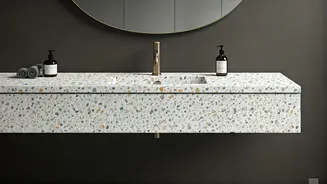
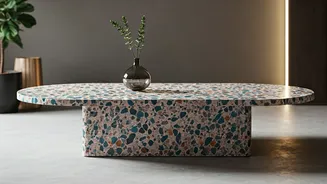
Terrazzo offers a level of design freedom that few other materials can match. Because it's a poured or pre-cast composite, the customization options are almost limitless. You can choose the color of the binder, from a crisp white to a dramatic black. You can select the specific aggregate to be used, controlling the color, size, and material of the chips—from subtle recycled clear glass to bold, colorful marble fragments. Metal divider strips can be used to create intricate patterns, logos, or color-blocked zones on the floor. This allows terrazzo to fit into any design scheme, from minimalist and modern to opulent and classic. It’s not just a floor; it’s a functional work of art.
5. It Offers Exceptional Long-Term Value
While the initial cost of installing terrazzo can be higher than other common flooring types like luxury vinyl tile or carpet, its life-cycle cost is often significantly lower. A terrazzo floor is an investment, not a temporary finish. With a lifespan that can easily exceed 75 years, you will likely never have to replace it. Compare that to carpet, which may need replacing every 5-10 years, or even hardwood, which requires periodic refinishing. When you factor in the minimal maintenance and the lack of replacement costs over the life of your home or building, terrazzo proves to be a remarkably cost-effective choice in the long run.