





The End of the Blue-Sky Brag
Remember the quintessential postcard? A perfect beach, impossibly blue water, not a cloud in sight. For years, this was the visual currency of a successful getaway. Your social media feed became a battle of who could find the most pristine sunshine. But
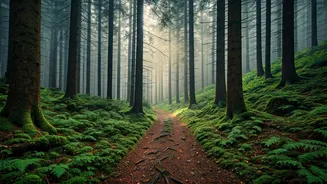
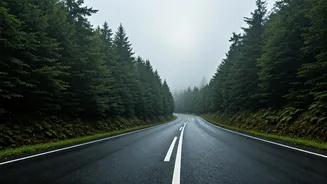
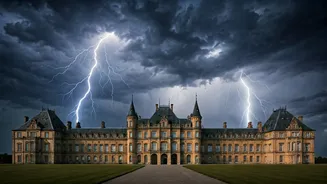
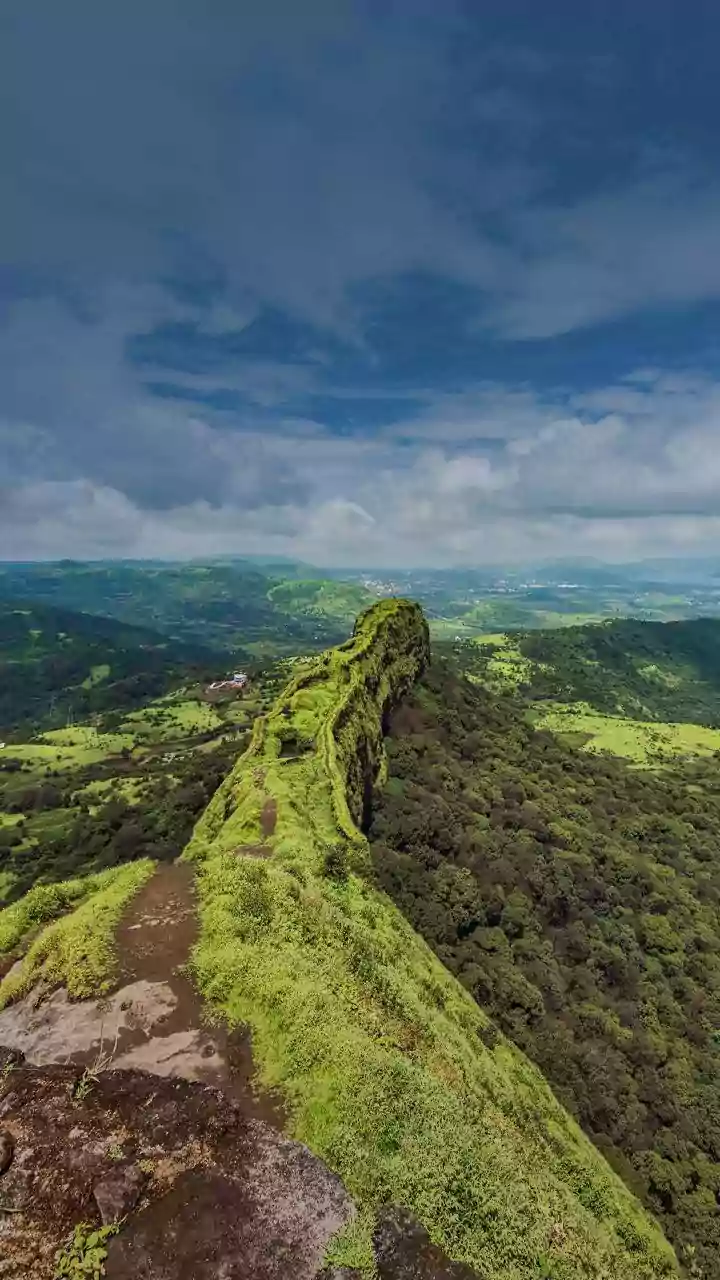
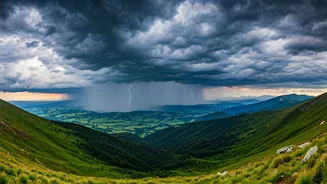
in a world saturated with identical, sun-drenched travel photos, the ultimate flex is no longer conformity; it’s character. Enter the stormy view. Travelers are increasingly seeking out and celebrating weather that’s dramatic and evocative rather than merely pleasant. A shot of a Scottish castle shrouded in mist or a German palace under a bruised purple sky tells a more interesting story than another generic sunny day. It suggests an experience that was about more than just tanning—it was about atmosphere, history, and a touch of gothic romance.
Why Moody Is the New Luxury
The shift toward appreciating gloomy grandeur isn't just about contrarianism; it’s rooted in powerful cultural aesthetics. Trends like “dark academia” and “cottagecore” celebrate intellectualism, history, and a cozy, introspective mood—all things that a dramatic, stormy landscape provides in spades. A turbulent sky over Neuschwanstein Castle in Bavaria doesn’t look like a spoiled vacation; it looks like a scene from a Wagnerian opera. The ruins of Whitby Abbey on the English coast are infinitely more compelling when lashed by sea spray, instantly evoking Bram Stoker’s *Dracula*. This type of travel trades the passive luxury of a beach chair for the active luxury of feeling like you’ve stepped into a story. It’s less about escaping reality and more about finding a more interesting one. The flex is in the narrative you can build around the photo: you weren’t just a tourist; you were a protagonist.
The Scottish Highlands Blueprint
Nowhere is this trend more at home than the Scottish Highlands. Places like Eilean Donan or Dunvegan Castle are almost more famous for their moody portraits than their sunny ones. A clear day is lovely, but a low-slung fog rolling across the loch as rain clouds gather over the mountains? That’s the money shot. It speaks to the wild, untamed history of the landscape. It validates the traveler’s choice to visit a place known for its rugged beauty, not its predictable climate. Booking a trip to Scotland in the shoulder seasons (spring or autumn) has become a savvy move. Not only are there fewer crowds, but the chances of catching the dramatic weather that makes the landscape come alive are much higher. The resulting photos aren't of a compromised trip but of an authentic one. You went to Scotland, and you got *Scotland*.
Beyond Britain: The Global Gloom
This isn’t just a U.K. phenomenon. The appeal of an atmospheric fortress is global. Consider Mont Saint-Michel, the tidal island abbey in Normandy, France. While stunning on a summer day, it’s arguably more magical when the tide rushes in under a stormy sky, cutting it off from the mainland and restoring its medieval mystique. In Sintra, Portugal, the whimsical palaces and crumbling Moorish castle feel most enchanting when the region’s signature mists swirl through the hills. Even stateside, the dramatic coastlines of Oregon and Washington offer a similar appeal, with historic lighthouses standing sentinel against crashing waves and gray skies. The common thread is a location where the architecture and the elements engage in a dramatic dialogue. The storm isn’t ruining the view; it’s completing it.
How to Embrace the Brooding Vibe
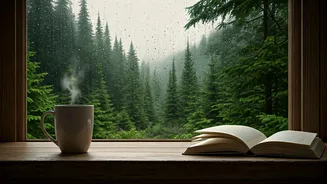
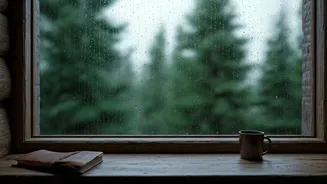
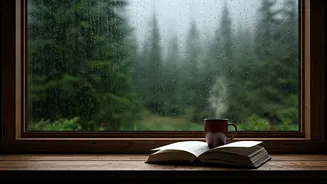
So, how do you master the art of the stormy travel flex? It starts with a mindset shift. Instead of checking the forecast with dread, look at it with anticipation. Pack accordingly: a good waterproof jacket, sturdy boots, and plenty of layers are your best friends. The goal isn't to be miserable; it's to be prepared. Next, lean into the coziness. A rainy afternoon is the perfect excuse to find a centuries-old pub with a crackling fire or a café with a perfect view of the tempest outside. Finally, when it comes to photography, don’t fight the gloom. Focus on the textures the rain brings out in old stone, the way fog simplifies a busy landscape, and the dramatic contrast between dark clouds and a historic silhouette. It’s not about capturing a perfect moment, but a powerful one.