





A Canvas of Sand and Sea
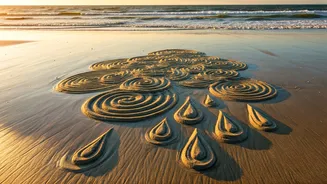
On the famed Golden Beach of Puri, a coastal city in the eastern Indian state of Odisha, the shoreline is more than just a scenic vista; it's an open-air gallery. Puri is not only a major Hindu pilgrimage site, attracting millions who come to visit the historic
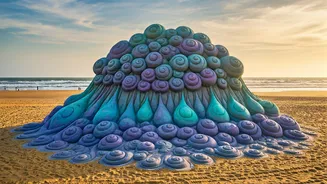
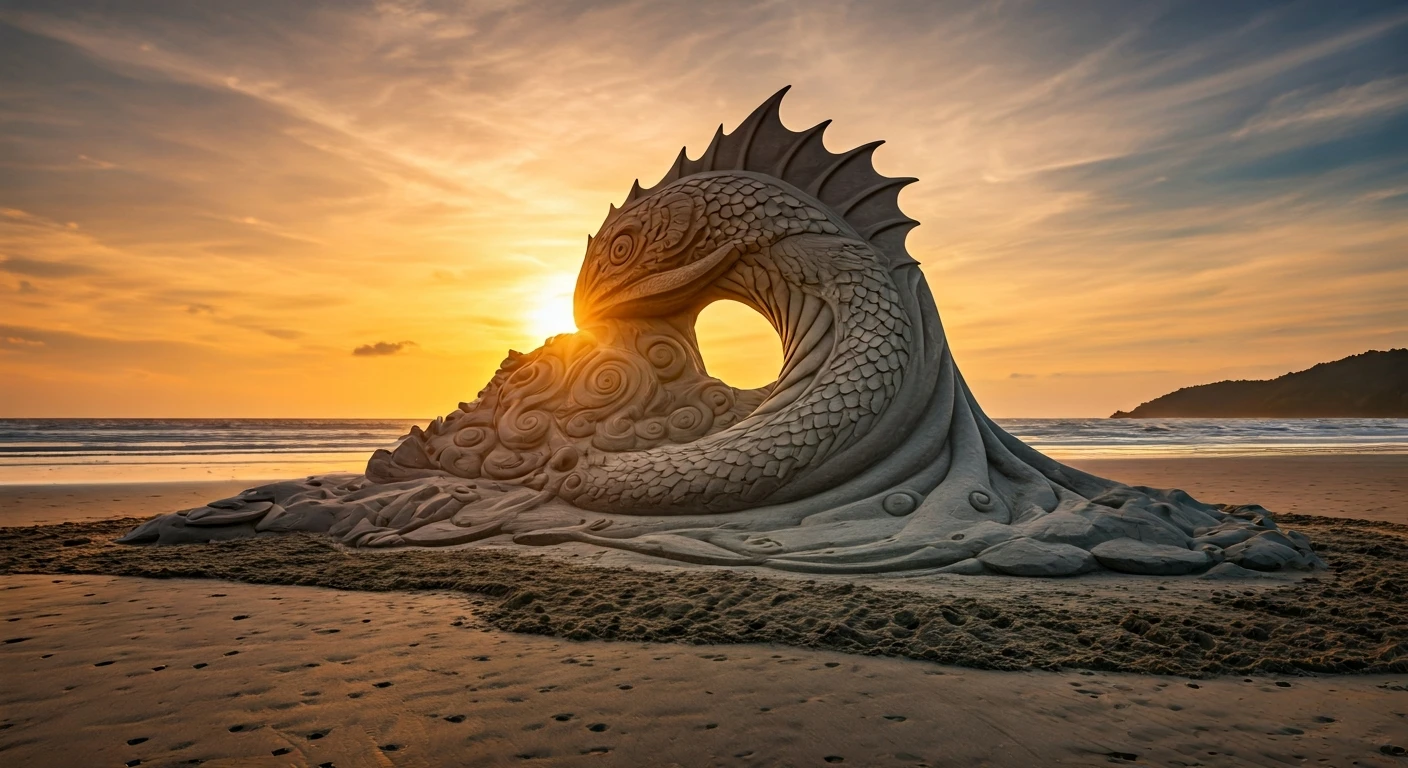
Jagannath Temple, but it has also become the epicenter of a unique and ephemeral art form: sand sculpture. For decades, local and international artists have transformed this coastline into a dynamic exhibition space, with the sand itself as their medium. Using little more than their hands, a bit of water, and boundless imagination, they create intricate, large-scale sculptures that captivate onlookers before the inevitable tide claims them. This transient nature is part of the art's power, a reminder of the beautiful, fleeting moments in life.
Celebrating the Life-Giving Rain
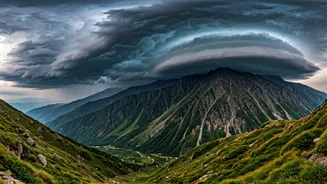
For many Americans, a forecast of steady rain signals canceled picnics and a gloomy week. But in India, the monsoon is a cause for celebration. After months of scorching, dry heat that can see temperatures soar well over 100°F, the monsoon brings life itself. These seasonal rains replenish dried-up rivers, nourish the agricultural lands that feed hundreds of millions, and offer a profound, collective sigh of relief from the blistering summer. The smell of the first rain hitting the parched earth—a scent known as petrichor—is an experience deeply embedded in the cultural soul of the subcontinent. Peacocks, India's national bird, are said to dance at the sight of dark clouds. The monsoon is a symbol of renewal, prosperity, and joy, making it a powerful and recurring theme for the artists of Odisha.
The Master Sculptor's Vision
At the heart of this tradition's global recognition is one name: Sudarsan Pattnaik. An internationally acclaimed artist and a recipient of one of India's highest civilian honors, the Padma Shri, Pattnaik has elevated Odisha's sand art to the world stage. Growing up in poverty near Puri, he began creating sculptures on the beach as a child. Today, his work is known for its incredible detail, massive scale, and emotional depth. When the monsoon arrives, his creations often depict joyous farmers with their bullocks, peacocks fanning their elaborate tails, or Hindu deities associated with rain and nature. He doesn't work alone; Pattnaik has also founded a sand art institute, training a new generation of artists who continue to push the boundaries of the form. Their collective work turns the entire beach into a vibrant storybook heralding the season's change.
Art with a Powerful Message
While many sculptures are purely celebratory, the artists of Odisha frequently use their highly visible platform to spread awareness on pressing social and environmental issues. Pattnaik and his students are known for creating art with a message. A monsoon-themed sculpture might incorporate themes of water conservation, urging people to harvest rainwater and avoid waste. During other times of the year, their sand art has paid tribute to COVID-19 frontline workers, promoted world peace, and highlighted the dangers of plastic pollution in the oceans. This blend of cultural celebration and social commentary gives the art a contemporary relevance that resonates far beyond the beach. It's a testament to the idea that art can be both beautiful and purposeful, speaking to ancient traditions while engaging with the most urgent issues of our time.