








Embracing the Emerald Season
When most people picture the Andaman and Nicobar Islands, they envision clear turquoise waters and brilliant sunshine. That version of the Andamans exists, primarily from October to May. But from late May through September, the monsoon rolls in, transforming
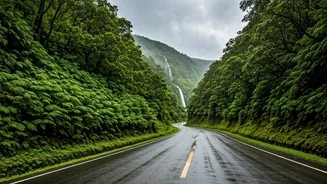
the archipelago into something entirely different. This isn't the bleak, stay-indoors weather you might fear. Instead, think of it as the islands’ “emerald season.” The rain, which often comes in dramatic but short bursts, washes the landscape clean, leaving behind a vibrant, super-saturated world. The forests become impossibly lush, the air smells of petrichor and damp earth, and mist hangs poetically over the rolling hills and jungle-clad coastlines. The experience shifts from a typical beach holiday to a more immersive, atmospheric retreat, where the weather itself is part of the main attraction.
The Unbeatable Perks of the Off-Season
The single greatest advantage of a monsoon trip is the blissful lack of crowds. Popular spots that are typically swarmed during peak season become your private sanctuaries. Imagine walking along the world-renowned Radhanagar Beach on Havelock Island (Swaraj Dweep) with only a handful of other people in sight. The usual queues for ferries and attractions vanish. This solitude allows for a deeper connection with the place and its people. Hotel and flight prices also plummet, making a trip that can be pricey during winter far more accessible. You get better service, more personalized attention from tour operators, and the feeling that you’re experiencing a more authentic version of island life, one that moves at a slower, more local pace. For the traveler who values peace over a perfect tan, the trade-off is more than worth it.
The Practical Realities You Must Consider
Of course, this kind of trip isn’t for everyone, and it’s crucial to go in with your eyes open. The primary challenge is logistics. The monsoon brings rough seas, which means ferry services between islands can be unpredictable and are sometimes canceled with little notice. It’s wise to build buffer days into your itinerary and stick to the more connected islands like Havelock or Neil (Shaheed Dweep). Certain water activities, particularly scuba diving and snorkeling, are often suspended due to poor visibility and choppy waters. While some dive shops may operate in sheltered spots, you shouldn’t plan your trip around diving. Instead, you have to embrace a more flexible mindset. If you are the type of traveler who needs a rigid, minute-by-minute schedule and guaranteed sunshine, the monsoon season is probably not for you.
How to Make the Most of the Rain
The key to a successful monsoon trip is adapting your activities. This is the perfect time for pursuits that don’t depend on clear skies. Base yourself in a comfortable resort with a good book and a great view, and let the rhythm of the rain set your pace. Use the breaks between showers for long, dramatic walks on empty beaches. Explore the Cellular Jail and other museums in Port Blair to soak up the region's complex history. Head to the limestone caves near Baratang Island, which are arguably more atmospheric when surrounded by dripping jungle. The monsoon is also a fantastic time for foodies. Cozy up in a local cafe, sip on chai, and feast on fresh seafood while watching the downpour outside. It’s a trip that forces you to slow down, observe, and appreciate the quieter moments—a rare luxury in modern travel.