



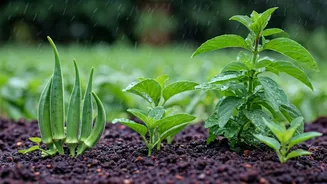


They Thrive in Tough Weather
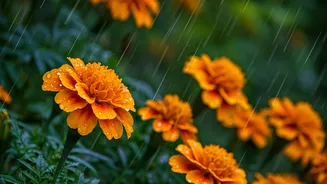
While many popular annuals wilt in high humidity or develop fungal diseases like powdery mildew after a week of rain, marigolds stand tall. Native to the Americas, these hardy flowers are well-adapted to hot, humid summers and can handle the downpours
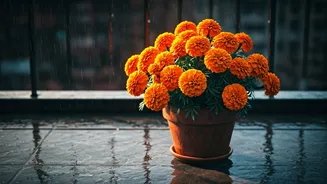
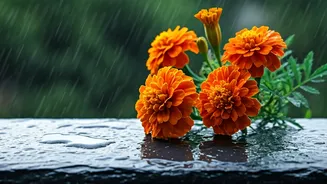
that define a U.S. 'monsoon season,' whether you're in the Southwest or weathering an East Coast soaker. Their sturdy stems resist breaking in heavy rain, and their foliage is less susceptible to the rot and mildew that plague more delicate plants. This resilience means less time worrying about your flower beds and more time enjoying them. Instead of drooping, they seem to soak up the challenging conditions, often looking even more vibrant after a storm.
A Natural Pest Deterrent
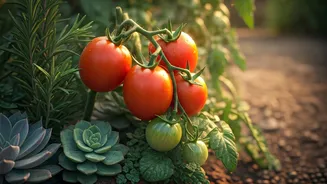
Marigolds are famous in the gardening world for being more than just a pretty face—they're functional. The pungent scent that some people love (and others tolerate) is a deterrent for a variety of common garden pests, including mosquitos and certain beetles, which tend to multiply in wet conditions. But their real superpower lies underground. French marigolds, in particular, release a chemical from their roots that is toxic to root-knot nematodes, microscopic worms that can destroy the root systems of vegetable plants like tomatoes, peppers, and squash. Planting a border of marigolds around your vegetable patch is a classic organic gardening trick to help protect your harvest. It's a shortcut to healthier soil and happier veggies.
Non-Stop Color with Low Effort
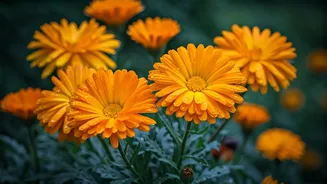
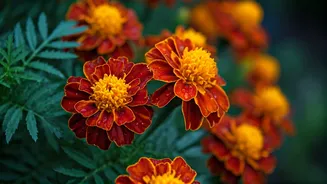
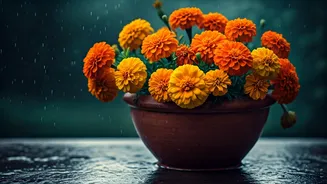
When other flowers are in a lull or have been beaten down by rain, marigolds provide a reliable, continuous explosion of color. Coming in brilliant shades of yellow, orange, and deep red, they act as a visual pick-me-up for any garden space. They bloom profusely from late spring until the first frost with very little encouragement. While deadheading (pinching off the spent blooms) will encourage even more flowers, it's not strictly necessary for a good show. Their cheerful, pom-pom-like blossoms are a dependable source of brightness, ensuring your garden never looks drab, even on the grayest, rainiest days of summer.
The Ultimate Forgiving Flower
The term 'plant-parent' often comes with a certain level of anxiety, but marigolds are the perfect antidote. They are exceptionally easy to grow and incredibly forgiving of beginner mistakes. You can start them from seed directly in the garden after the last frost, or pick up inexpensive starter plants from any garden center. They aren't picky about soil, as long as it isn't constantly waterlogged (good drainage is still helpful). They tolerate being planted a little too close, forgotten for a watering cycle (though they prefer consistent moisture), and generally neglected more than most other annuals. This makes them a perfect 'shortcut' for anyone wanting the satisfaction of a thriving garden without the high-maintenance commitment.
They Attract Beneficial Insects
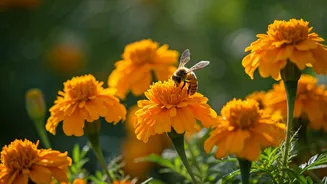
While marigolds are busy warding off the bad guys, their open-faced, simple blooms are an inviting landing pad for the good guys. They attract beneficial pollinators like bees and butterflies, which are essential for a healthy garden ecosystem, especially if you're growing fruits and vegetables. Furthermore, they are a magnet for helpful predatory insects like hoverflies and ladybugs, whose larvae feast on destructive pests like aphids. By planting marigolds, you aren't just adding a flower; you're helping to build a balanced, self-regulating garden environment that requires less chemical intervention and work on your part.