







Let's Clear The Air
First, let's get one thing straight: curry leaves have absolutely nothing to do with curry powder. That bright yellow powder in your spice rack is a British invention, a blend of spices like turmeric, cumin, and coriander. Curry leaves, on the other hand,
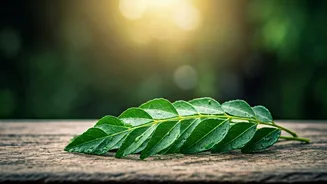
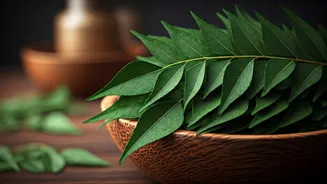
are the fresh foliage of the Murraya koenigii tree, native to India and Sri Lanka. They are a singular, distinct ingredient. Using the same word for both is one of cooking’s great historical accidents. To taste a fresh curry leaf is to understand the difference immediately. It’s not a hint of spice; it’s a wave of aroma—complex, a little citrusy, vaguely smoky, and deeply savory. It's the flavor you might recognize from a truly great South Indian restaurant dish but could never quite place.
The Problem with 'Pantry-Friendly'
You can find dried curry leaves online or in some spice aisles, but this is where the heartbreak begins. The aromatic oils that make fresh curry leaves so magical are incredibly volatile. The moment they are picked and dried, they begin to fade, leaving behind a brittle, brownish-green leaf that tastes more like hay than anything else. It’s like comparing a fresh basil leaf to the dusty green flakes in a forgotten jar. Sure, the dried version technically exists, but it’s a ghost of the real thing. It adds a whisper of tea-like bitterness but lacks the vibrant, soul-lifting fragrance that defines the fresh leaf. For any recipe that calls for them, using dried leaves is a disservice to your dish and your dinner guests.
The Supermarket Scavenger Hunt
So, you’re convinced. Fresh is the only way. The next challenge is actually finding them. Unless you live near a well-stocked South Asian or specialty international market, your search will likely come up empty. Your average American supermarket simply doesn't carry them. And even if you do find them, they’re often sold in plastic bags, having traveled a long way. You pick through the bag, hoping for a few vibrant sprigs among the wilted, yellowing ones. You buy a huge bunch for one recipe, use a fraction of it, and watch the rest sadly decay in your refrigerator's crisper drawer within a week. It’s a frustrating cycle of searching, spending, and wasting.
The 'One Pot' Solution
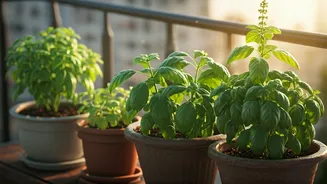
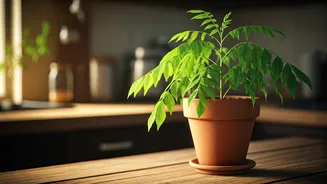
This brings us to the headline’s claim. The best way to have a steady, reliable supply of fresh curry leaves isn’t to hunt for them at the store—it’s to grow them yourself. In one pot. A curry leaf plant is a surprisingly manageable and beautiful houseplant that thrives in containers. By dedicating a single pot on your patio, balcony, or sunny windowsill to this plant, you solve the problems of availability, freshness, and waste in one fell swoop. Need a few leaves for a tadka (a tempering of spices in hot oil)? Just walk over and snip them off. The flavor from a leaf picked 30 seconds before it hits hot ghee is an experience on a whole other level. That single pot becomes a source of endless culinary power.
Caring For Your Culinary Investment
Don’t be intimidated. The curry leaf tree is a subtropical plant, but it’s perfectly happy to live in a pot anywhere in the U.S. You can order a starter plant from numerous online nurseries that specialize in herbs or South Asian plants. Place it in a pot with good drainage and quality potting soil. Give it as much direct sunlight as you can—at least six hours a day is ideal. Water it when the top inch of soil feels dry, but don't let it get waterlogged. In colder climates (anywhere with a real winter), you'll just bring it indoors and place it near a sunny window until spring returns. To harvest, simply pluck the individual leaflets off the central stem. The more you harvest, the bushier it tends to grow. It’s a low-maintenance, high-reward relationship.