







The Visa Welcome Mat Is Out
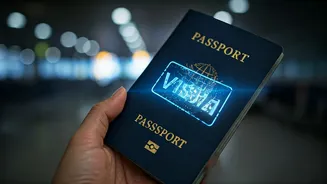
The biggest hurdle for any international traveler is often the visa application. It can be a bureaucratic maze of paperwork, appointments, and uncertainty. Southeast Asian nations have increasingly rolled out the red carpet for Indian tourists by simplifying
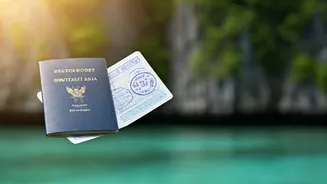
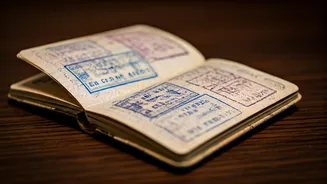
or eliminating this process. Thailand, Malaysia, and Sri Lanka have recently offered visa-free entry for Indian passport holders for set periods. Others, like Indonesia (for Bali) and Vietnam, offer straightforward visa-on-arrival or e-visa systems that turn a weeks-long process into a few clicks or a short queue at the airport. This removes a significant psychological and logistical barrier, making a spontaneous trip possible in a way that a journey to Europe or the U.S. simply isn’t for most first-time travelers.
A Short Hop, Not a Long Haul
Geography is destiny, and for travelers, it’s also a matter of time and energy. From major Indian hubs like Delhi, Mumbai, or Chennai, Southeast Asia is a manageable overnight flight away. A trip to Bangkok or Singapore takes about four to five hours, comparable to a domestic flight across the United States. This is a world away from the 15-plus hours of flying time required to reach New York or the 9-hour journey to London. The short distance means less jet lag, lower airfares, and the ability to take a shorter trip of five to seven days without feeling like you spent half of it on a plane. For families with children or professionals taking a quick break, this proximity is a massive advantage.
Your Wallet Will Thank You
Perhaps the most compelling factor is the sheer value for money. The Indian Rupee goes a long way in countries like Vietnam, Thailand, and Indonesia. A delicious, filling street food meal can cost less than a cup of coffee in a Western capital. Luxurious hotel rooms or private villas with pools can be had for the price of a standard motel room in the U.S. This affordability extends to activities, transportation, and shopping. For a middle-class Indian family, a week-long vacation in Southeast Asia, including flights, accommodation, and spending money, can cost less than a comparable trip to a premium destination within India itself. This makes international travel feel attainable rather than a once-in-a-lifetime splurge.
A Familiar-Yet-Foreign Cultural Echo
Beyond logistics and cost, there’s a deep-seated cultural comfort. The history of the two regions has been intertwined for centuries through trade, religion, and migration. The influence of Hinduism and Buddhism is visible everywhere, from the Ramayana reliefs at Angkor Wat in Cambodia to the Hindu traditions of Bali. This shared heritage creates a sense of soft familiarity. The sights, sounds, and even social etiquette can feel less alien than in the West. It’s a place where one can experience a different culture without feeling completely adrift, making it an ideal first step into global travel.
The Spice Route Still Connects the Kitchens
For many Indians, food is a central part of life and travel, and finding acceptable vegetarian or flavor-packed options abroad can be a challenge. Southeast Asian cuisine, with its emphasis on rice, vibrant spices, and fresh vegetables, is an easy and delicious transition. While the flavor profiles are distinct, the underlying principles of using chilies, coconut milk, tamarind, and fragrant herbs resonate with the Indian palate. From Malaysia’s flavorful curries to Thailand’s use of holy basil and lemongrass, the food feels both excitingly new and comfortingly familiar. The prevalence of rice as a staple and a wide variety of vegetarian dishes in many tourist areas removes a common source of travel anxiety.