






1. Prioritize Quality Over Quantity
The old-school gym mantra was often about ego—how much can you lift? The 'smarter' approach asks a better question: how well can you lift it? This means renewed emphasis on fundamentals that were often ignored in the pursuit of a new personal record.
Expect to see more focus on controlling the eccentric (lowering) phase of a lift, using specific tempos (like a slow three-second descent), and perfecting the mind-muscle connection. This isn't just for bodybuilders. By truly feeling the target muscle work, you stimulate more growth and reduce the strain on passive structures like ligaments and tendons. A perfectly executed 150-pound squat provides more long-term benefit and less risk than a sloppy, rushed 200-pound one. The goal is to make every single rep count, turning your workout into a practice of precision, not just a test of power.
2. Let Data Be Your Digital Spotter
Guesswork is becoming a thing of the past. While fitness trackers have monitored steps and heart rates for years, a new wave of technology is bringing granular data to the weight room. Wearable sensors that attach to your body or the barbell can now track bar path, velocity, and power output on every rep. This is the core of Velocity-Based Training (VBT), a method where the speed of your lift determines the day's training load. Feeling strong? The bar moves fast, and the app might suggest adding weight. Feeling fatigued? The bar slows, signaling that you should lighten the load to avoid injury and overtraining. This data-driven approach allows for auto-regulation, tailoring your workout to your body's actual readiness on any given day, not just what a pre-written program dictates. It's like having a personal exercise scientist coaching you through every set.
3. Embrace 'Prehab' and Proactive Recovery
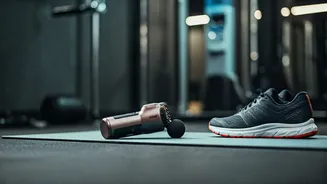
The workout is only half the battle. The 'lift smarter' ethos recognizes that gains aren't made in the gym; they're made during recovery. This has moved beyond simply foam rolling after a session. The new focus is on proactive 'prehab'—short for pre-rehabilitation. This involves integrating daily mobility and stability exercises designed to bulletproof your joints and correct movement patterns before they become problems. Think of it as investing a few minutes a day to ensure you can keep lifting for decades to come. Furthermore, recovery itself is now a trackable metric. Devices that monitor sleep quality, Heart Rate Variability (HRV), and daily strain are giving athletes concrete data on their recovery status, helping them decide whether to push hard, maintain, or take a much-needed rest day. The fittest people of 2026 won't just be the strongest; they'll be the best recovered.
4. Train for Life, Not Just for the Gym
What’s the point of a huge barbell back squat if you tweak your back picking up a grocery bag? Smart lifting is intrinsically functional. It’s about building a robust, capable body that excels at real-world movements. This means programming will increasingly feature exercises that challenge stability, coordination, and movement in multiple planes of motion. You’ll see fewer isolated, machine-based movements and more compound, free-weight exercises that mimic life: carrying heavy things (farmer's walks), lifting objects from the ground (deadlift variations), and putting things overhead (presses). The ultimate goal is not just to look strong, but to be strong in a way that directly enhances your quality of life, reduces your risk of injury from daily tasks, and keeps you moving well into your later years. It’s a shift from building a 'show' body to building a 'go' body.