






Your New Pantry Hero: What Is Kasundi?
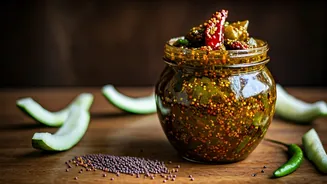
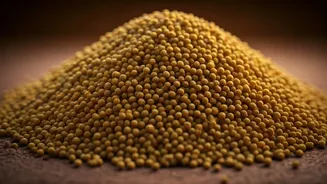
Before you can cook with it, let’s get acquainted. Kasundi is a powerful, pungent condiment originating from Bengal in India. Think of it as a supercharged, spicy mustard, traditionally made by fermenting mustard seeds with spices, salt, and often green
mangoes. The result is a uniquely complex paste that’s simultaneously sharp, savory, tangy, and packs a pleasant heat. It has the pungent kick of Dijon or horseradish but with a deeper, more aromatic spice profile thanks to ingredients like turmeric, chili, and ginger. You can find it in jars at South Asian grocery stores, specialty food shops, and online. If you can't find it, a mix of whole-grain spicy mustard, a pinch of turmeric, and a dash of cayenne can offer a similar vibe, though it won't have the same fermented depth.
The Weeknight Roasting Strategy
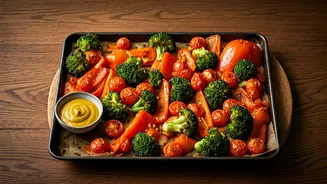
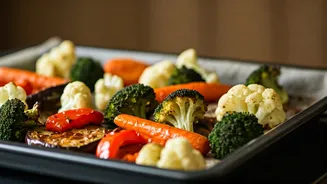
The beauty of this method lies in its simplicity and speed. Roasting vegetables at a high heat (around 425°F) achieves two things at once: it cooks them through quickly while creating delicious caramelization on the outside. The key to a successful 'quick' roast is uniformity. Chop your chosen vegetables into similar-sized, bite-sized pieces—about 1 to 1.5 inches. This ensures everything cooks evenly and you aren’t left with mushy broccoli next to a rock-hard carrot. A large sheet pan is your best friend here; don't crowd the pan, as that will cause the vegetables to steam instead of roast. Give them space to get brown and crispy.
The Simple, Unforgettable Glaze
The kasundi glaze is where the magic happens, and it’s barely a recipe. You’re simply thinning out the kasundi to make it easy to toss with the vegetables. In a large bowl, combine your chopped vegetables with the glaze before spreading them on the baking sheet. A great starting ratio is:
* **3 tablespoons kasundi**
* **2 tablespoons neutral oil (like grapeseed or avocado)**
* **1 tablespoon maple syrup or honey (optional, but recommended)**
* **A generous pinch of salt and black pepper**
The oil helps the vegetables roast and prevents sticking, while the sweetener balances the kasundi’s intense pungency and helps everything caramelize beautifully in the oven’s high heat. This amount is perfect for about 1.5 to 2 pounds of vegetables, enough for a substantial side for four people or a main for two.
Choosing Your Seasonal Vegetables
This technique is a template, not a rigid rule. Use whatever looks fresh and appealing. The goal is to embrace the seasons for the best flavor and value.
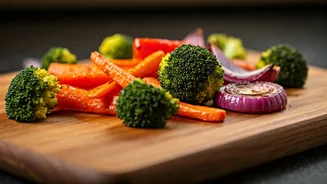
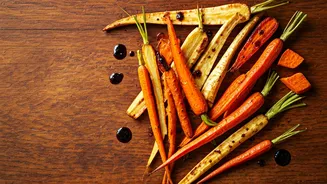
* **Fall/Winter:** Heartier vegetables shine. Think broccoli florets, cauliflower florets, cubed sweet potatoes, carrots, parsnips, and Brussels sprouts (halved). These may need slightly longer, around 25-30 minutes.
* **Spring:** Go for tender, quick-cooking options. Asparagus spears (snapped into thirds), radishes (halved), and slender spring onions are perfect. They’ll likely be done in 15-20 minutes.
* **Summer:** Embrace the bounty. Zucchini or summer squash chunks, bell pepper strips, and red onion wedges roast up beautifully. Cherry tomatoes can be thrown in for the last 10 minutes so they burst without turning to mush.
Putting It All Together
Ready to cook? Here’s the game plan from start to finish.
1. **Prep:** Preheat your oven to 425°F. Chop about 2 pounds of your chosen vegetables into uniform, bite-sized pieces.
2. **Glaze:** In a large bowl, whisk together the kasundi, oil, optional sweetener, salt, and pepper.
3. **Toss:** Add the chopped vegetables to the bowl and toss thoroughly until every piece is coated in the glossy, golden glaze.
4. **Roast:** Spread the vegetables in a single, even layer on a large, parchment-lined baking sheet. Roast for 20-30 minutes, flipping halfway through, until tender and caramelized at the edges.
5. **Serve:** Enjoy immediately as a hearty side dish, or make it a meal by serving over rice or quinoa, perhaps with a dollop of yogurt to cool the spice or topped with a fried egg.