




The Last Kingdom of the Asiatic Lion
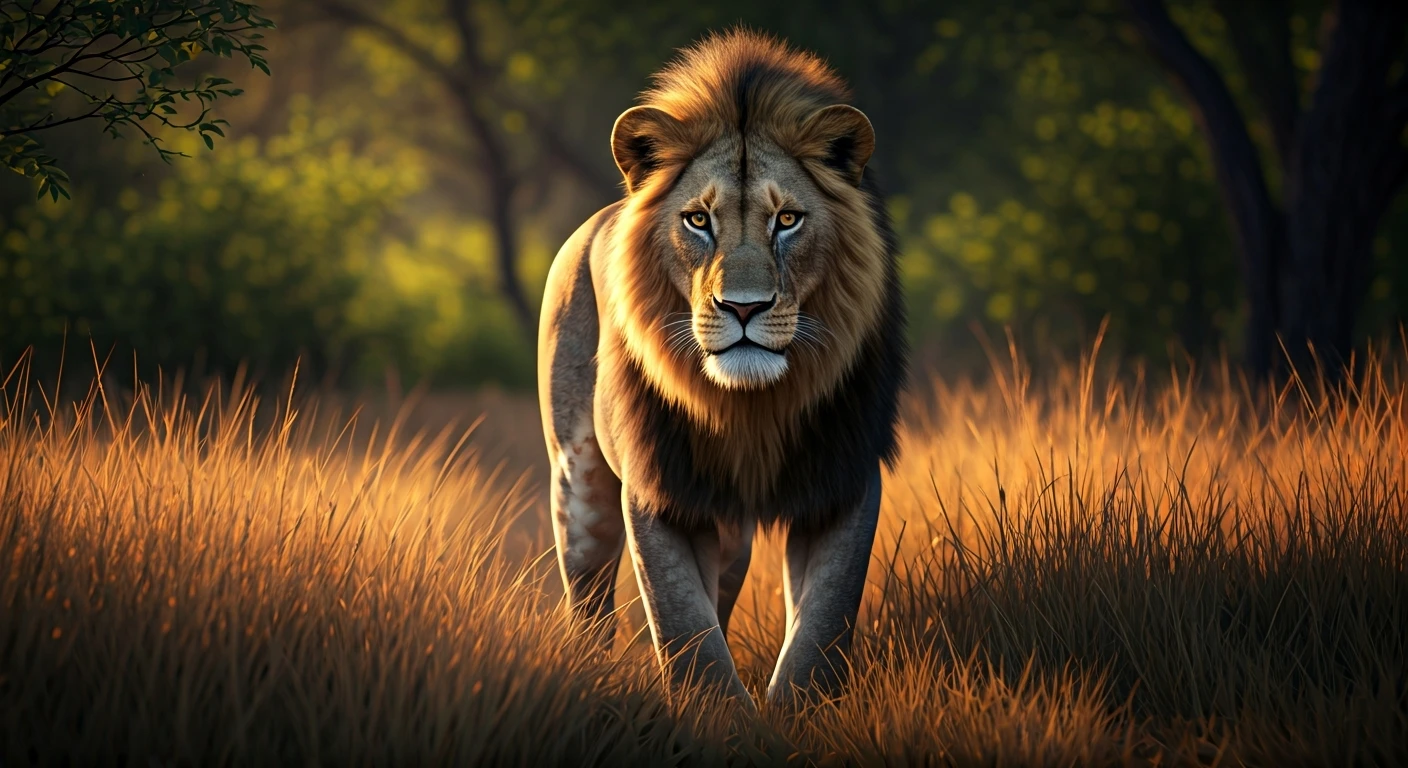
Forget the African savanna. The scene unfolding each June is unique to a single corner of western India: Gir National Park in Gujarat. This sprawling, dry deciduous forest is the last wild refuge for the Asiatic lion. A slightly smaller, shaggier cousin
of its African relative, with a distinctive fold of skin on its belly, the Asiatic lion was once hunted to the brink of extinction. By the early 20th century, only a dozen or so remained, all within Gir. Thanks to a remarkable, century-long conservation effort, their numbers have rebounded to over 600. Today, Gir is not just a park; it's a testament to a wildlife comeback story. For American travelers accustomed to the vast, open plains of the Serengeti, Gir offers a different kind of thrill. It’s a denser, more intimate landscape of teak trees, scrubland, and dusty tracks, where a sighting feels earned, a privilege granted by the forest itself.
The Pre-Monsoon Advantage
So, why the June rush? It’s a strategy born of heat and desperation. By late May and early June, the Indian summer has reached its scorching peak. Temperatures soar, and the landscape is parched. Rivers shrink to trickles, and vegetation withers, leaving the forest floor exposed and brittle. While uncomfortable for humans, these harsh conditions create a perfect storm for wildlife viewing. The lack of foliage means better sightlines through the trees. More importantly, the scarcity of water forces animals out of their deep-forest hiding spots. They are all drawn to the few remaining man-made waterholes, creating predictable hotspots of activity. For predators like the lions of Gir, these oases become their primary hunting grounds. For safari-goers, it means the odds of spotting a pride lounging in the shade or a majestic male patrolling his territory are dramatically increased. The lions are exposed, predictable, and waiting.
A Race Against the Rains
The clock is always ticking. Every safari jeep that rumbles into the park during the first two weeks of June is shadowed by an impending deadline. Gir National Park officially closes to all visitors around June 16th, shutting its gates just as the first monsoon showers are expected to arrive. This hard stop creates a palpable sense of urgency. Guides communicate in hushed, hurried tones over their radios, sharing tips on the last known location of a pride. Travelers lean forward in their seats, eyes scanning the parched landscape, knowing their window of opportunity is measured in days, if not hours. There’s a shared feeling of being in on a secret, participating in the final act of a seasonal drama. The air itself, thick with humidity and the smell of dust, feels charged with anticipation for the coming deluge. It’s a safari experience defined not just by what you might see, but by the knowledge that it will all be gone in a flash.
What the Monsoon Changes
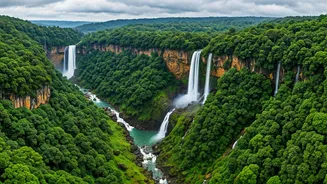
When the monsoon finally breaks, the transformation is absolute. The rain doesn’t just fall; it consumes the landscape. The cracked earth softens into thick mud, making the park’s dirt tracks impassable. The forest, brown and skeletal just days before, explodes into a riot of impossible green. The once-scarce water is now everywhere, and the animals no longer need to congregate at specific spots. They disperse into the newly lush, dense wilderness, becoming far more difficult to track and see. The park’s four-month closure is essential. It gives the ecosystem time to recover and regenerate without human interference. It allows the animals to breed and raise their young in peace. For the lions, the monsoon is a time of plenty and privacy. For the travelers who missed the June window, it means a long wait until the park reopens in mid-October, when a completely different, post-monsoon world awaits.