



An Ancient Concept Gets a Modern Makeover
To understand the boom, you have to know that gut health isn't a new fad in India; it's an ancient principle. Traditional Indian food culture is rich with naturally fermented foods, from the yogurt-based drink *lassi* to the fermented batter used for
*dosa* and *idli*. The foundational concepts of Ayurveda, the traditional Indian system of medicine, have long emphasized that a healthy digestive system is the cornerstone of overall wellness. So, when modern science started talking about 'good bacteria,' it resonated deeply. What’s new is the packaging and positioning. Instead of a slow-fermented, homemade product, today’s Indian consumer can grab a convenient, branded product that promises the same benefits, backed by scientific claims and clean, modern marketing. It’s the perfect marriage of ancient wisdom and 21st-century convenience.
More Than Just Yogurt
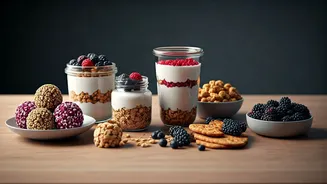
In the U.S., the probiotic conversation often starts and ends with yogurt and kefir. In India, the innovation is exploding across categories. Of course, there are yogurt brands like Epigamia and the globally recognized Yakult, which have made significant inroads. But the trend extends far beyond the dairy case. You can now find probiotic ice cream, prebiotic-fortified snack bars, and even 'gut-friendly' breakfast cereals. Food-tech startups are launching specialized products, from synbiotic (prebiotic + probiotic) powders that can be mixed into drinks to fruit juices infused with beneficial fibers. This diversification is key to the transformation. It shows that companies aren't just importing a Western trend; they are adapting it to local tastes and consumption habits, embedding functional benefits into everyday foods and snacks that Indian consumers already love.
The New Urban Consumer
Driving this entire shift is a new kind of consumer, concentrated in India’s rapidly growing cities. Urbanization, rising disposable incomes, and increased global exposure have created a large, health-conscious middle class. These shoppers are digitally savvy, pressed for time, and willing to pay a premium for products that offer tangible health benefits. The COVID-19 pandemic acted as a massive accelerator, pushing immunity and preventative health to the top of everyone’s priority list. For this demographic, a packaged probiotic food isn't an indulgence; it's a smart, efficient way to invest in their well-being. They're looking for labels that list 'billions of CFUs' (colony-forming units) and understand the difference between a prebiotic fiber that feeds good bacteria and a probiotic that introduces it.
A Masterclass in Marketing
Brands have been incredibly savvy in how they communicate these benefits. The marketing doesn't just lean on science; it cleverly weaves in cultural relevance. Ad campaigns often strike a balance, using clean, minimalist aesthetics that signal modernity and safety, while simultaneously referencing holistic wellness and natural ingredients. It’s a message that says, 'This is the healthy choice your grandmother would approve of, but made easy for your busy life.' By positioning these products as a bridge between tradition and progress, companies have successfully created a new category of 'aspirational wellness' that feels both authentic and innovative. They aren’t just selling food; they are selling a modern, healthier Indian lifestyle.