


The End of the Quick-Fix Era
For decades, the weight-loss landscape was dominated by a single, punishing philosophy: restriction. Crash diets—from liquid-only cleanses to dangerously low-calorie plans—promised dramatic results in record time. They were the darlings of magazine covers
and celebrity testimonials, selling a dream of transformation through deprivation. The problem, as millions of people discovered, is that the dream was a mirage. These diets were built on a foundation of willpower, a finite resource that inevitably runs out when faced with constant hunger, social isolation, and sheer misery. The infamous yo-yo effect, where dieters regain lost weight (and often more), isn't a sign of personal failure; it's a predictable outcome of an unsustainable system. Culture is finally catching on to the fact that a 'fix' that makes you miserable and ultimately fails isn't a fix at all.
Science Catches Up with Common Sense
The cultural shift away from crash dieting is backed by a mountain of scientific evidence. When you drastically cut calories, your body doesn't just burn fat—it goes into survival mode. Your metabolism slows down to conserve energy, making future weight loss harder. Your body also ramps up production of hunger hormones like ghrelin, while reducing levels of satiety hormones. It’s a biological double-whammy designed to drive you back to eating. Psychologically, the effect is just as potent. Labeling foods as 'good' and 'bad' creates a toxic relationship with eating, fostering guilt and anxiety. This restriction often leads to a 'rebound' of binge eating, as the forbidden foods become overwhelmingly tempting. Nutritionists and doctors are now championing a different message: your body is a complex system to be worked with, not a battlefield to be conquered through starvation.
The Rise of Food Freedom
In place of rigid rules, a new philosophy is taking root: food freedom. This movement, which includes concepts like 'intuitive eating' and 'anti-diet' nutrition, encourages people to listen to their body's natural hunger and fullness cues. It's a profound departure from the external, top-down rules of traditional dieting. This cultural wave has been amplified by social media, where a new generation of dietitians and wellness advocates are dismantling old myths. They post colorful plates of food that include carbohydrates and fats alongside protein and vegetables, celebrating nourishment over restriction. The body positivity movement has also played a crucial role, challenging the narrow, often unhealthy beauty standards that fueled the crash diet industry for so long. The focus is shifting from the number on the scale to more holistic measures of health, like energy levels, mental clarity, and overall well-being.
What a 'Balanced Plate' Actually Means
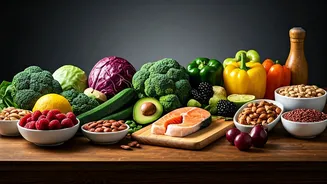
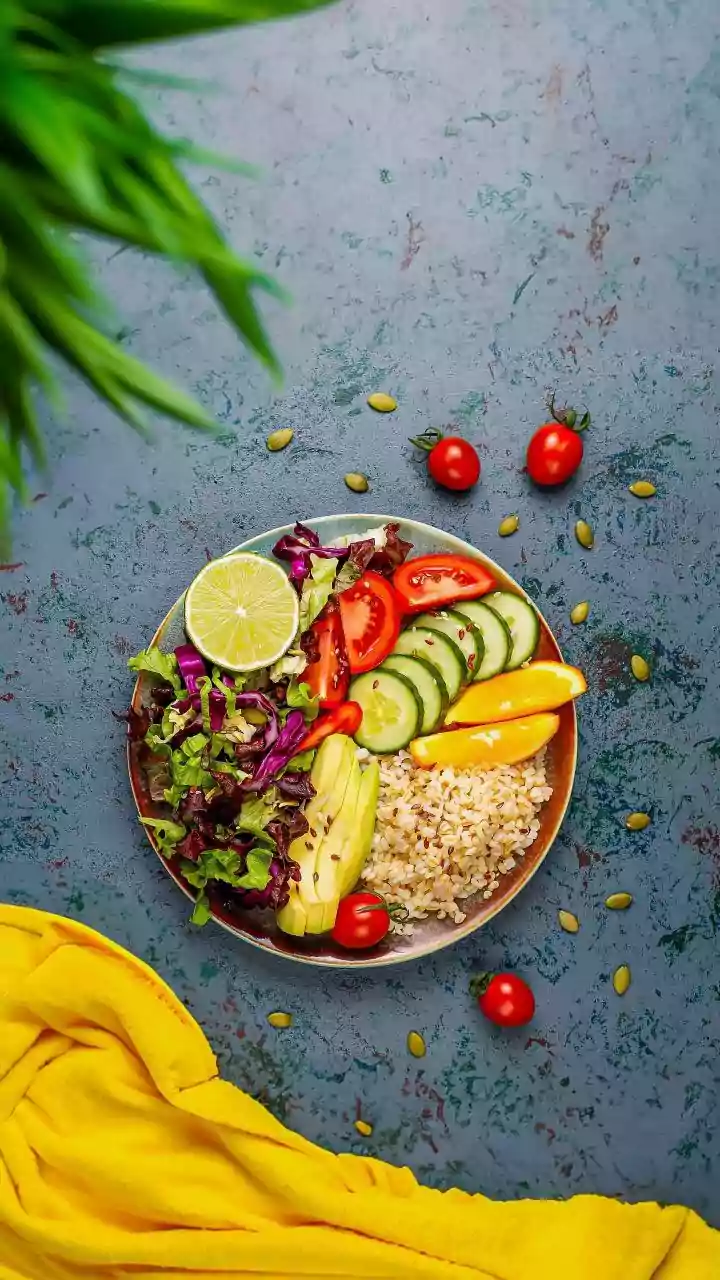
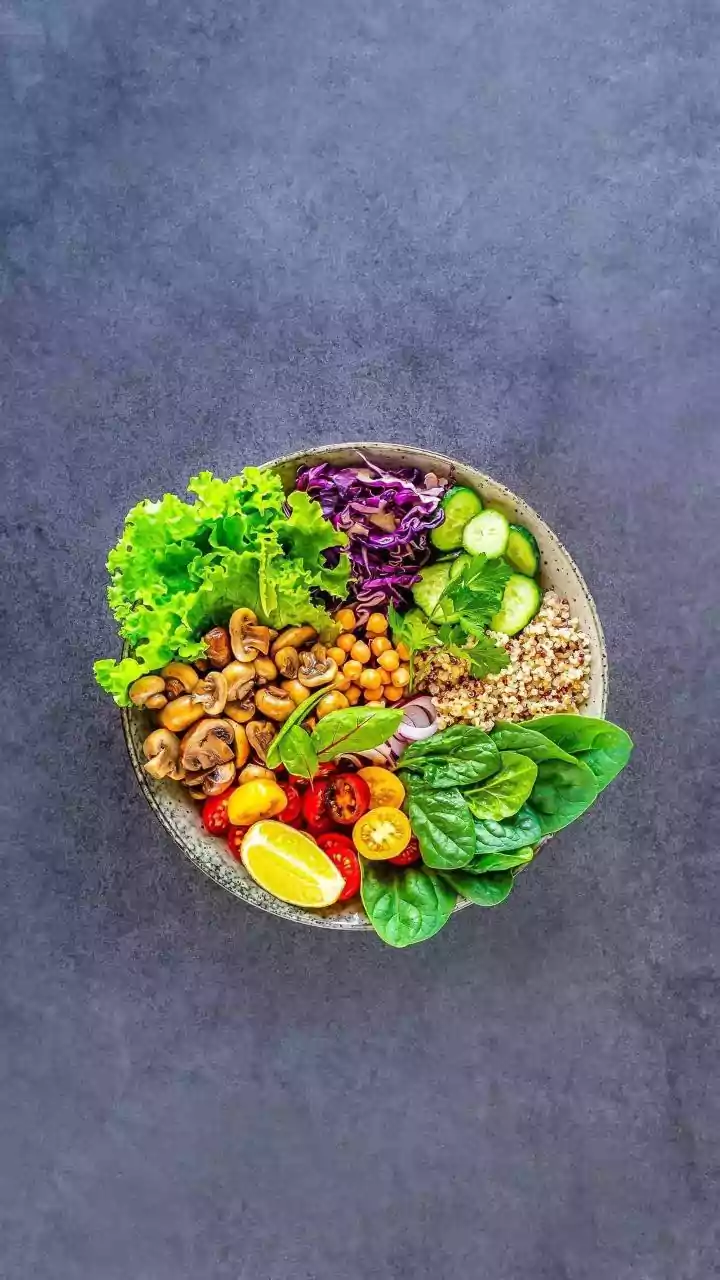
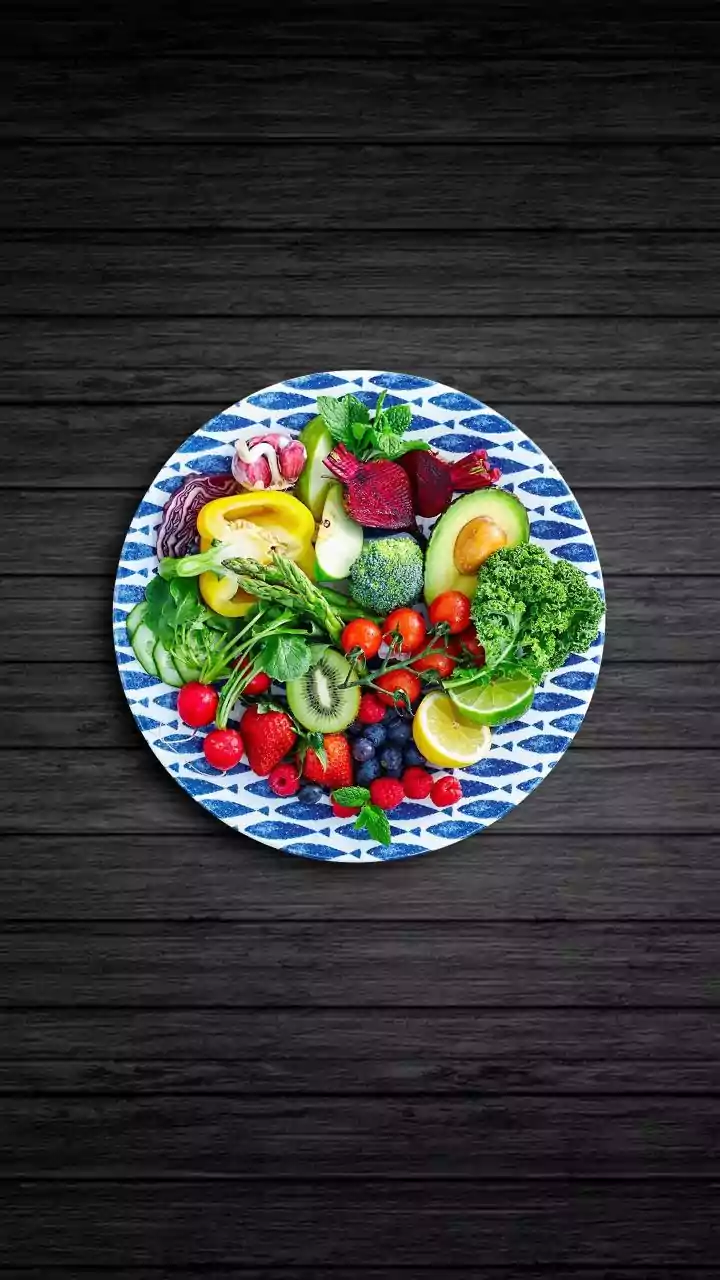
So, what does this triumphant 'balanced plate' look like? It’s less a rigid formula and more a flexible and powerful principle. Instead of eliminating entire food groups, this approach focuses on inclusion and proportion. A simple and popular visual is to fill half your plate with non-starchy vegetables (like broccoli, spinach, or bell peppers), a quarter with a source of lean protein (like chicken, fish, beans, or tofu), and a quarter with a source of complex carbohydrates (like quinoa, brown rice, or sweet potatoes). A serving of healthy fats—think avocado, nuts, or a drizzle of olive oil—completes the picture. This isn't a 'diet'; it's a sustainable template for meals. It ensures you get a wide range of micronutrients, fiber to keep you full, protein to build muscle, and carbs for energy. Most importantly, it's adaptable, delicious, and frees you from the exhausting mental calculus of counting every single calorie.