

Mah-Prasad: The Soulful Savory Offering
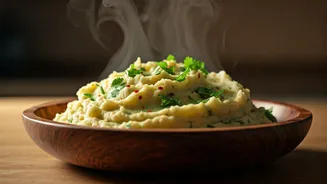
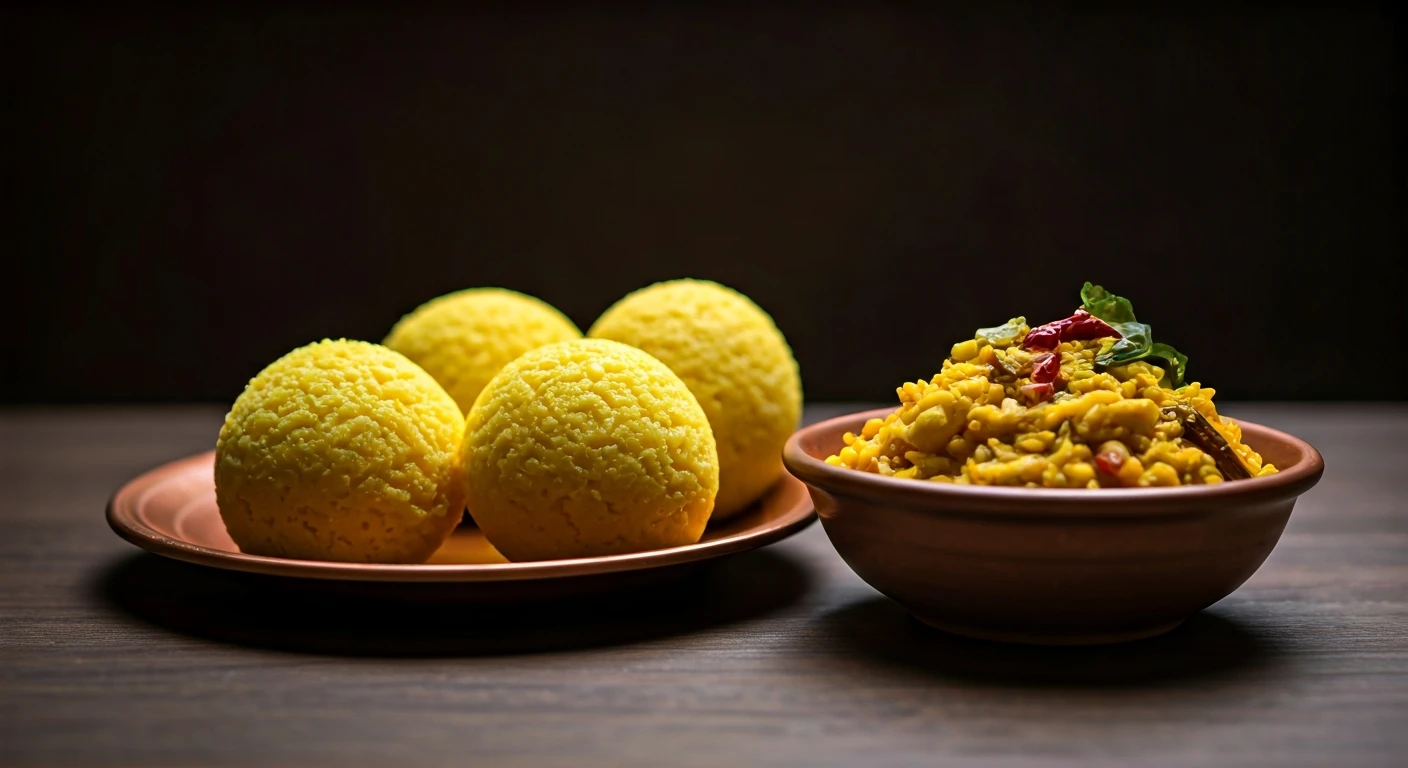
When you hear “temple treat,” you probably picture something sweet. But in Assam, one of the most significant offerings is Mah-Prasad, a deeply comforting savory dish. It’s a humble yet flavorful medley of rice, various lentils (dal), and seasonal vegetables,
slow-cooked without onion or garlic, which are often avoided in Sattvic (pure) cooking. The result is a nourishing, porridge-like meal that feels both wholesome and sacred. Served to devotees at major temples like the famous Kamakhya Temple in Guwahati, Mah-Prasad is more than just food; it’s a communal act of sharing a blessed meal. Each spoonful carries the warmth of community and the subtle, earthy flavors that define the region’s cuisine.
Pithas: The Quintessential Rice Cakes
No exploration of Assamese food is complete without pithas. These rice-based cakes and dumplings are the heart and soul of Assamese festivities, especially during the Bihu harvest festivals, and they frequently appear as temple offerings. Pithas are not one single item but a vast and varied category. You might encounter the Til Pitha, a thin rice paper-like roll stuffed with a sweet mixture of toasted black sesame seeds and jaggery (unrefined cane sugar). Or perhaps the Ghila Pitha, a small, fluffy, deep-fried pancake made from rice flour and jaggery, offering a delightful contrast of a crispy exterior and a soft, chewy inside. Each pitha tells a story of harvest, home, and heritage, making it a perfect offering to the gods.
Narikol Laru: The Sweet Coconut Sphere
Simple, aromatic, and incredibly addictive, the Narikol Laru is the quintessential Assamese sweet. These are small, round balls (laru) made from freshly grated coconut and either sugar or jaggery. When made with jaggery, they take on a deeper, more caramel-like flavor. The mixture is cooked down until it becomes sticky and fragrant, then rolled into bite-sized spheres while still warm. Their simplicity is their strength. With just two or three ingredients, they deliver a pure, unadulterated taste of coconut that is both comforting and festive. Easy to make and distribute, Narikol Laru are a common sight in the offering trays (xorai) presented at temples and household prayer rooms across the state.
Payokh: The Creamy Devotional Pudding
Known as kheer in other parts of India, Payokh is Assam’s beloved version of rice pudding, and it’s a classic dessert for any sacred occasion. This creamy concoction is made by slowly simmering aromatic Joha rice—a short-grain, fragrant local variety—in milk until it breaks down and thickens into a luscious pudding. It’s sweetened with sugar and often perfumed with green cardamom, bay leaves, and sometimes a few strands of saffron. Often finished with a sprinkle of chopped nuts and raisins, Payokh is the ultimate comfort food. Its rich, velvety texture and gentle sweetness make it a favored offering, symbolizing richness, abundance, and the sweetness of devotion.
Komal Saul: The Magical No-Cook Rice
Perhaps the most unique item on this list is Komal Saul, or “soft rice.” This incredible native Assamese rice variety requires no cooking at all. Simply soak the grains in warm water for about 15 minutes, and they become soft, fluffy, and ready to eat. This “magic rice” has a delicate, almost flaky texture and a mild taste. As a prasad, it’s typically served in its purest form: mixed with creamy yogurt, a lump of jaggery, and sometimes mashed banana. The simplicity and purity of Komal Saul—requiring no fire to prepare—make it an especially fitting offering, representing a return to nature and a food untouched by complex processes. It’s a true taste of the Assamese soil and spirit.