



More Than Just Mom’s Cooking
This isn't just about faithfully recreating a grandmother’s dal. The new wave of nostalgic Indian cuisine is an act of translation. It’s about taking the *feeling* of a home-cooked meal—the warmth, the specific blend of spices, the memory of a particular
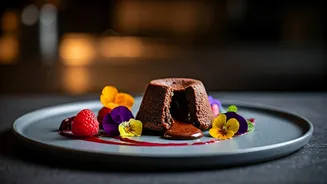
time and place—and filtering it through the lens of modern culinary technique. Think of a simple dish like khichdi, a humble and comforting rice and lentil porridge often fed to you when you’re sick. In the hands of a progressive chef, its core ingredients might be transformed: the rice turned into a crisp wafer, the lentils into a creamy foam, the accompanying pickle into a concentrated gel. The soul of the dish is intact, but the form is entirely new.
The Deliciously 'Extra' Element
The “extra” in this trend comes from the sophisticated execution. Chefs who trained in Michelin-starred kitchens across Europe and America are returning to India and applying those skills to the food they grew up with. They bring with them a mastery of techniques like sous-vide, fermentation, and even molecular gastronomy, tools rarely associated with traditional Indian cooking. A beloved street-food snack like bhel puri, usually a chaotic mix of puffed rice, vegetables, and chutneys, might be re-envisioned as a delicate, multi-layered tower with tamarind “air” and cilantro “snow.” A classic fish curry could be served with the fish perfectly cooked sous-vide, swimming in a sauce that has been clarified to an elegant consommé. This approach is theatrical and ambitious, turning a simple meal into an event.
Why Is This Happening Now?
This culinary movement is a powerful response to a few converging forces. For one, it’s a confident statement of cultural identity. After decades of Indian fine dining being defined by a handful of rich, heavy dishes (think chicken tikka masala and butter chicken), a new generation is eager to showcase the subcontinent's true diversity. They are proving that Indian food can be as light, complex, and artful as any other global cuisine. Secondly, it’s a reaction against homogenization. In a world of global food trends, looking inward becomes a radical act. These chefs are digging into their own family histories and regional micro-cuisines to find inspiration that is deeply personal and unique. For diners, particularly a rising, globally-aware Indian middle class, it offers the perfect blend of the familiar and the novel—an experience that feels both rooted in tradition and excitingly modern.
Rediscovering A Forgotten Pantry
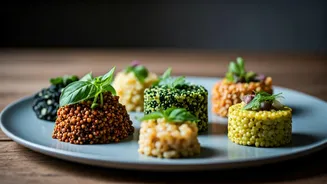
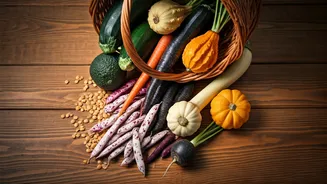
This nostalgic impulse isn't just about remaking known dishes; it's also about rediscovering forgotten ingredients. Chefs are championing hyper-local, seasonal produce that may have been overlooked by mainstream commercial agriculture. Ingredients like foraged Himalayan fiddlehead ferns, millet varieties from rural villages, or obscure citrus fruits from the country's northeastern states are finding their way onto tasting menus in Mumbai, Delhi, and Bangalore. By putting these ingredients in the spotlight, chefs are not only creating unique flavors but also preserving culinary biodiversity. They are building a new, more sustainable pantry for Indian food, one that celebrates the specific terroir of its many regions, connecting diners to a food history that goes back centuries.