





Sanjay Van: A Forest of Myths and Birds
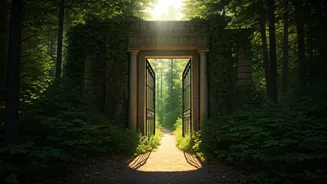
Don't let the spooky local legends fool you. While Sanjay Van is famously whispered to be one of Delhi’s most haunted spots, by day it’s a 780-acre paradise for bird-watchers and history buffs. Located near the chic neighborhoods of Vasant Kunj and Mehrauli,
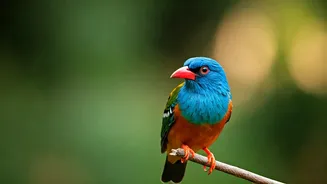
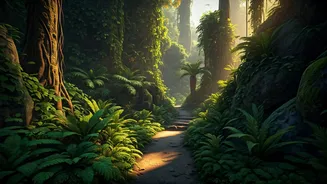
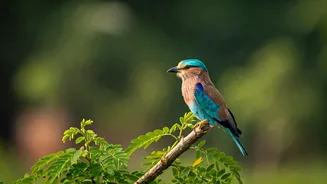
this dense forest is a critical green lung for the city. Its winding, unpaved paths lead you past the crumbling ramparts of Qila Rai Pithora, one of Delhi’s original “seven cities,” built in the 12th century. The real magic, however, is the biodiversity. The forest is home to over 100 species of birds, including vibrant peacocks, Eurasian golden orioles, and purple sunbirds. The canopy of native trees provides welcome shade, making it a peaceful escape even on a warm day. For a truly curious weekend, pack a pair of binoculars and see how many birds you can spot while walking through centuries of history.
The Ridge: History on a Hilltop
Known simply as “The Ridge,” this elevated, forested area is the northernmost extension of the ancient Aravalli Range, one of the oldest mountain ranges in the world. It’s not just a geological wonder; it’s a place steeped in historical significance. The Northern Ridge, near Delhi University, was a crucial battleground during the Indian Rebellion of 1857. Today, you can walk paths that lead to colonial-era landmarks like the Flagstaff Tower and the Chauburja Mosque. It’s a surreal experience to hike a quiet, wooded trail and stumble upon a British-era memorial plaque. The terrain offers a gentle incline, providing nice vantage points over the surrounding area. It's the perfect trail for someone who wants to combine a light workout with a heavy dose of history, connecting the dots between Delhi’s natural landscape and its layered past.
Asola Bhatti Wildlife Sanctuary: A Rugged Escape
If you’re looking for a wilder, more rugged experience, head to the Asola Bhatti Wildlife Sanctuary on the southern edge of the city. This sprawling 6,800-acre reserve was once a series of mining pits, but a massive eco-restoration project has transformed it into a thriving habitat for wildlife. The landscape is a mix of scrubland, forest, and serene blue lakes that fill the former quarries. This is your best chance to see some of Delhi’s larger fauna. Keep your eyes peeled for nilgai (Asia's largest antelope, often called a "blue bull"), golden jackals, and porcupines. The sanctuary is also a designated “Important Bird Area,” attracting birders from all over. The trails are less manicured here, giving you a genuine sense of being away from it all. It’s a powerful reminder of nature’s ability to reclaim and regenerate, located just miles from one of the world's biggest megacities.
Jahanpanah City Forest: The Urban Oasis
For those short on time or seeking an easy, accessible nature fix, Jahanpanah City Forest is the answer. Sandwiched between South Delhi’s upscale colonies, this 435-acre forest offers a quick and easy getaway. Unlike the wilder sanctuaries, Jahanpanah is crisscrossed with well-maintained jogging and walking tracks, making it popular with local residents for their morning constitutional. But it's more than just a park. The dense foliage creates a feeling of immersion, and you’ll quickly forget you're in the heart of a metropolis. It’s a great place for a long walk or a quiet hour spent reading on a bench. The forest connects several historical sites, including the tomb of a 15th-century ruler, adding a touch of discovery to an otherwise straightforward stroll. It proves that even a short break in nature can reset your mind, and in Delhi, that opportunity is never far away.