


The Death of the Checklist Vacation
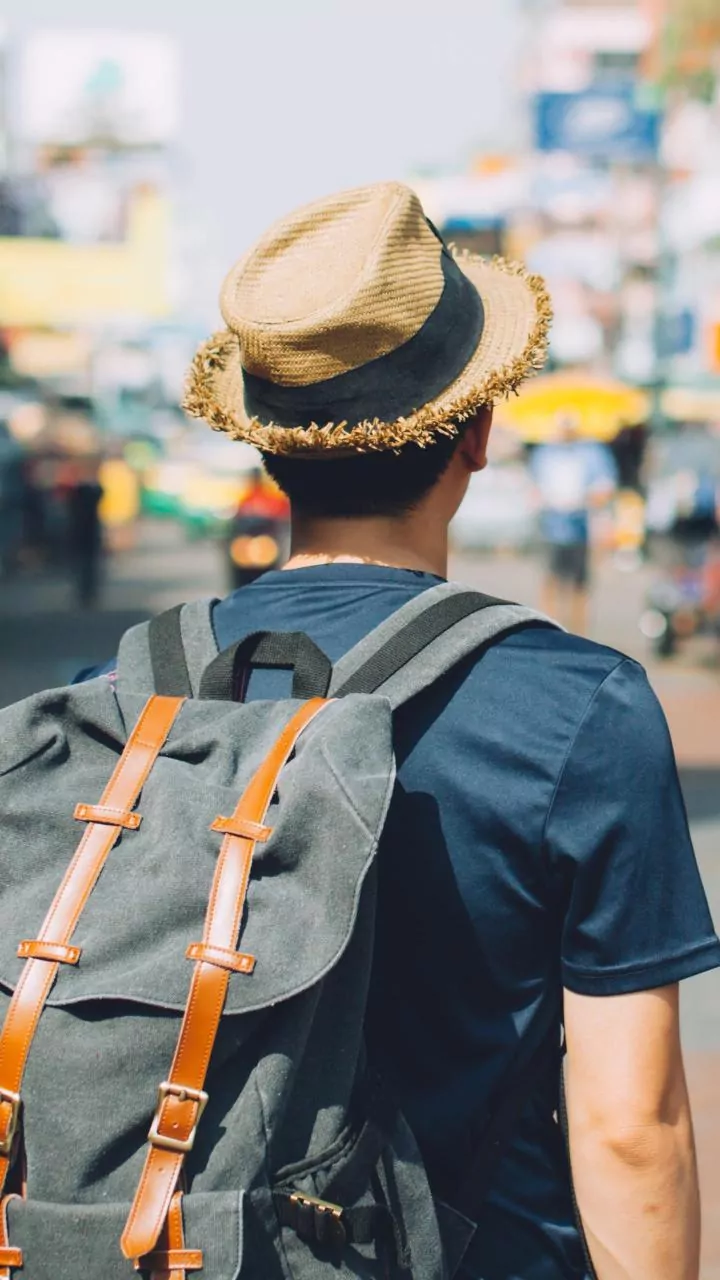
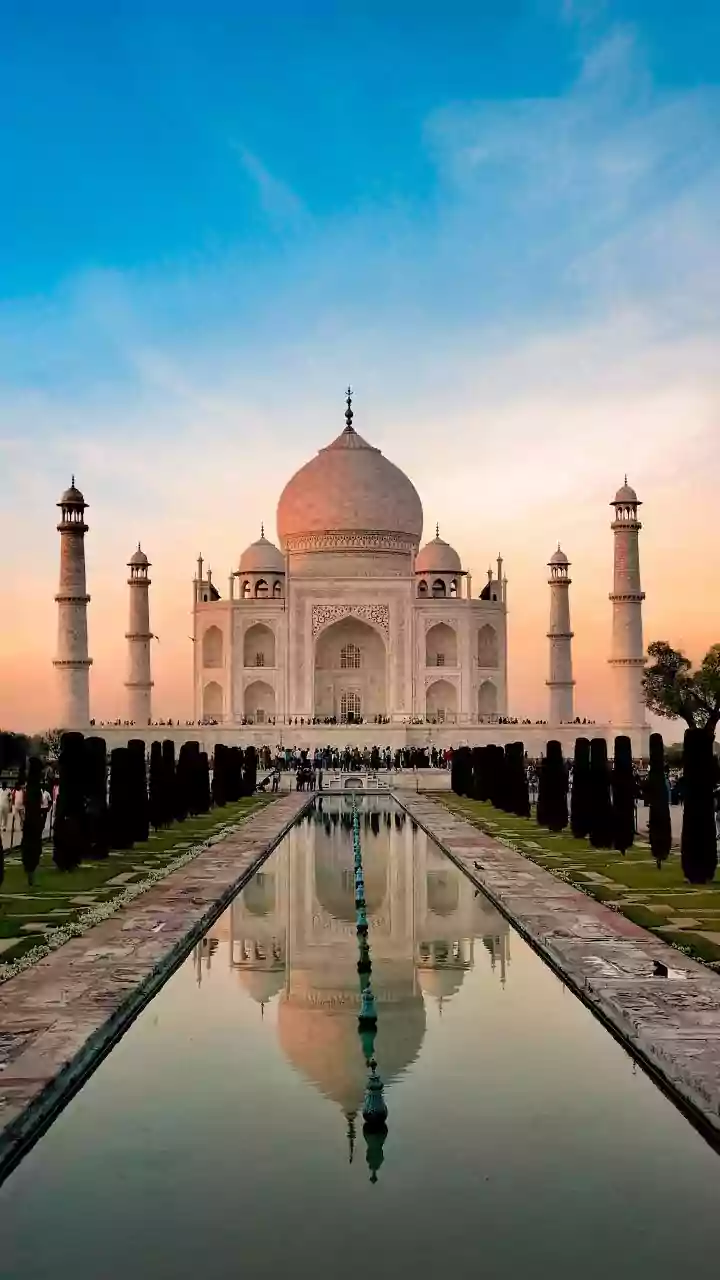
For decades, the mark of a successful trip was a checklist. Eiffel Tower? Check. Colosseum? Check. Times Square? Check. Travel was often a race to accumulate sights, to prove you had ‘done’ a city. But that model is fading, replaced by a slower, more
immersive approach. Today’s traveler isn’t just asking, “What did you see?” but rather, “What did you taste, feel, and learn?” This isn't about rejecting history or culture, but about finding it in more personal, tangible ways. Instead of standing behind a velvet rope in a palace, the new goal is to sit at a communal table in a trattoria, learning to make pasta from someone’s grandmother. The itinerary is no longer a rigid list of obligations but a flexible map of potential experiences.
The Rise of the Culinary Pilgrim
Food has always been a part of travel, but now, for many, it’s the entire point. We’ve moved beyond simply finding a well-rated restaurant for dinner. The modern itinerary is built around food as an activity. Think cooking classes in Tuscany, street food tours through the alleys of Bangkok, or winery-hopping in Napa Valley. This isn’t just about consumption; it’s about participation and understanding. Travelers want to know the story behind their meal—where the ingredients were grown, who perfected the recipe, and what it means to the local culture. This “culinary tourism” transforms a simple vacation into a delicious education, where the main attractions are flavors and the souvenirs are recipes you can bring back home. It's a direct response to a foodie culture that has elevated chefs to rock stars and a simple dish to a work of art.
From Souvenirs to Spices and Stories
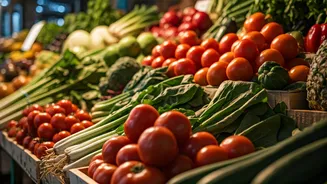
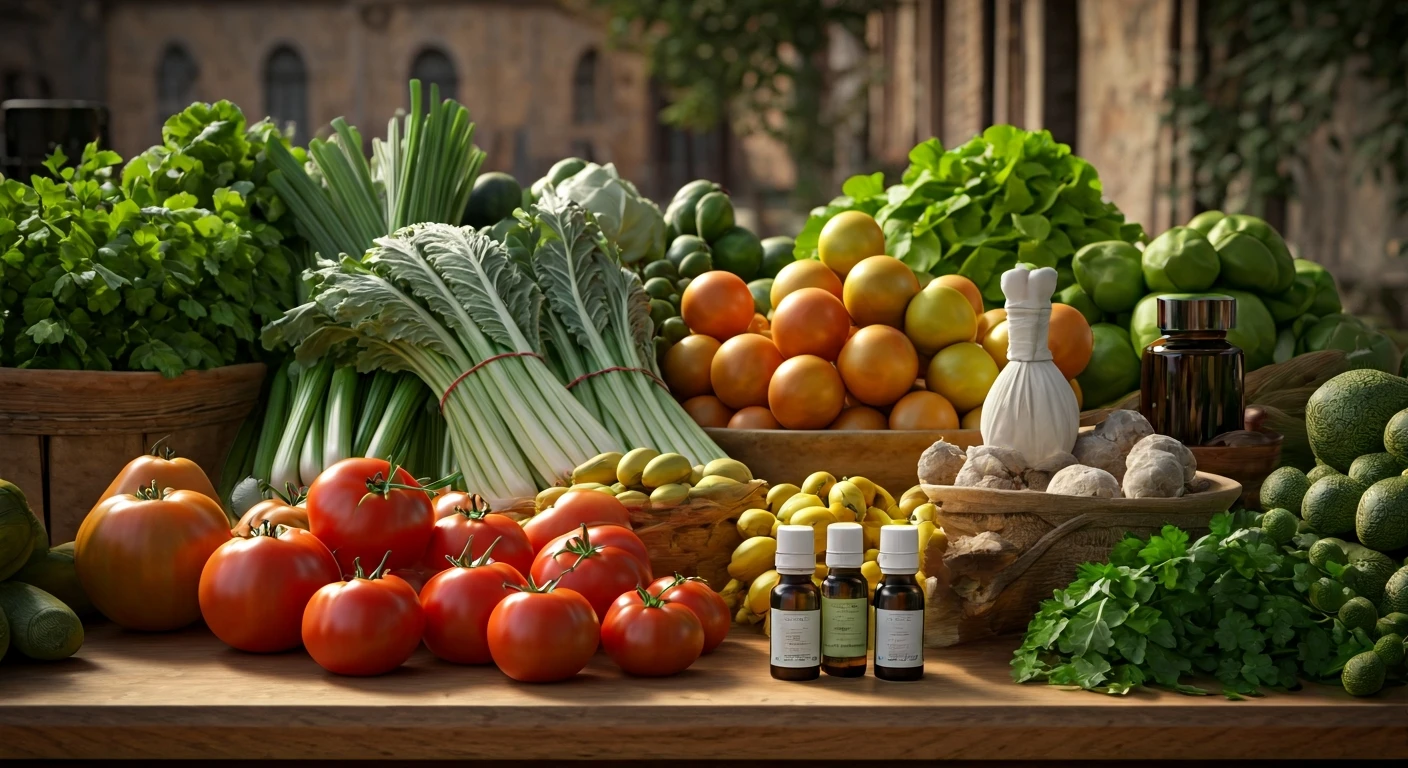
Local markets have become the new cathedrals for travelers seeking authenticity. A stroll through Barcelona’s La Boqueria or Seattle’s Pike Place Market offers more than just a photo opportunity; it’s a full-body immersion into a place’s soul. You can smell the fresh bread, see the kaleidoscope of produce, hear the chatter of vendors, and taste samples of cheese and olives. These are not sterile, curated museums. They are loud, chaotic, and wonderfully real. For the modern traveler, visiting a market isn't about buying a plastic souvenir. It’s about engaging with the local economy, interacting with residents in their daily environment, and finding unique ingredients or crafts that tell a genuine story about the destination.
Wellness as the Destination Itself
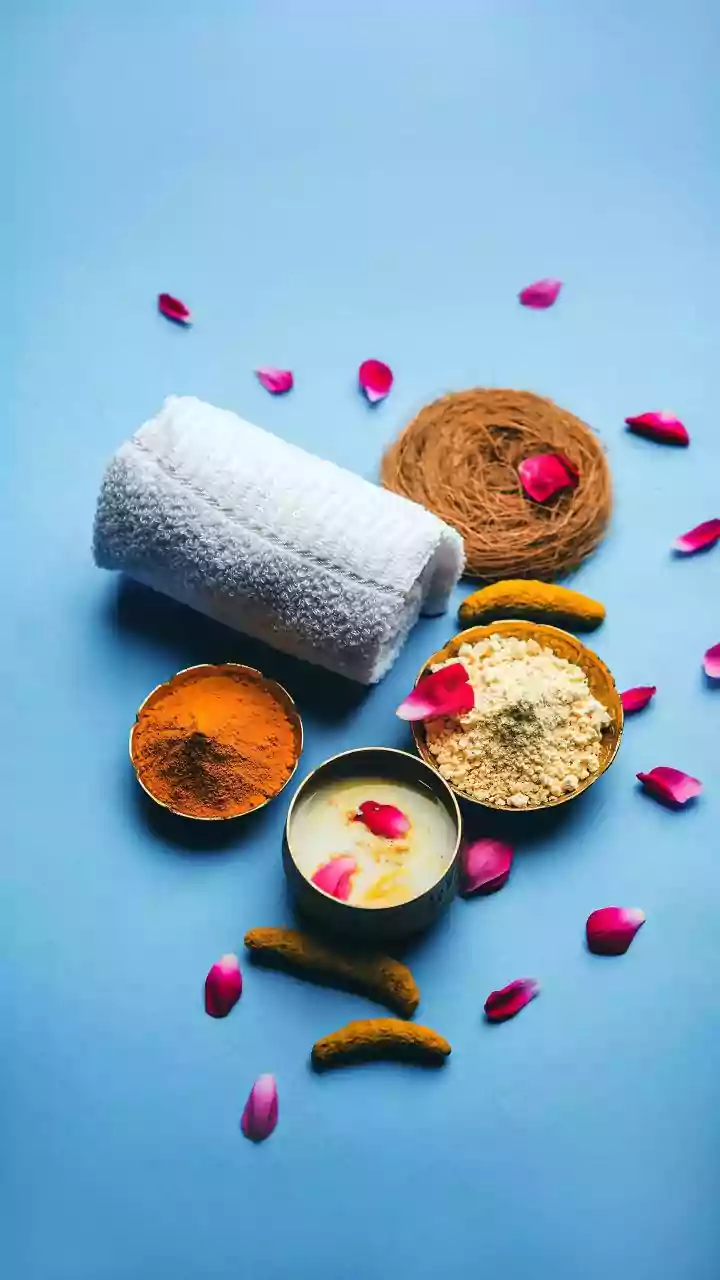
The third pillar of this new travel trinity is wellness. But this is a far cry from a stuffy hotel gym or a quick massage. Wellness travel has evolved into the primary motivation for a trip. People are booking entire vacations centered on disconnecting, recharging, and healing. This can mean a silent meditation retreat in the Berkshires, a week of yoga and surfing in Costa Rica, or a digital detox in a remote cabin in the Pacific Northwest. The goal is no longer to return from vacation needing another vacation. Instead, it’s about using that time off to actively improve one’s mental, physical, and spiritual health. The destination becomes a tool for self-care, and the activities—from forest bathing to spa treatments—are designed for restoration, not exhaustion.
Why Now? A Search for Deeper Connection
This shift isn’t happening in a vacuum. It’s a direct result of our increasingly digital, disconnected, and stressful lives. After years of screen-time and social distancing, people are craving real, tangible connections—with other people, with nature, and with themselves. Experiential travel offers just that. It prioritizes doing over seeing, feeling over filtering. Social media also plays a paradoxical role; while it can fuel performative travel, it also showcases authentic, off-the-beaten-path experiences that inspire others to seek out their own. Ultimately, this new itinerary reflects a change in values, where the richness of an experience is worth more than the prestige of a landmark.