


The 'Easy Access' Bottleneck
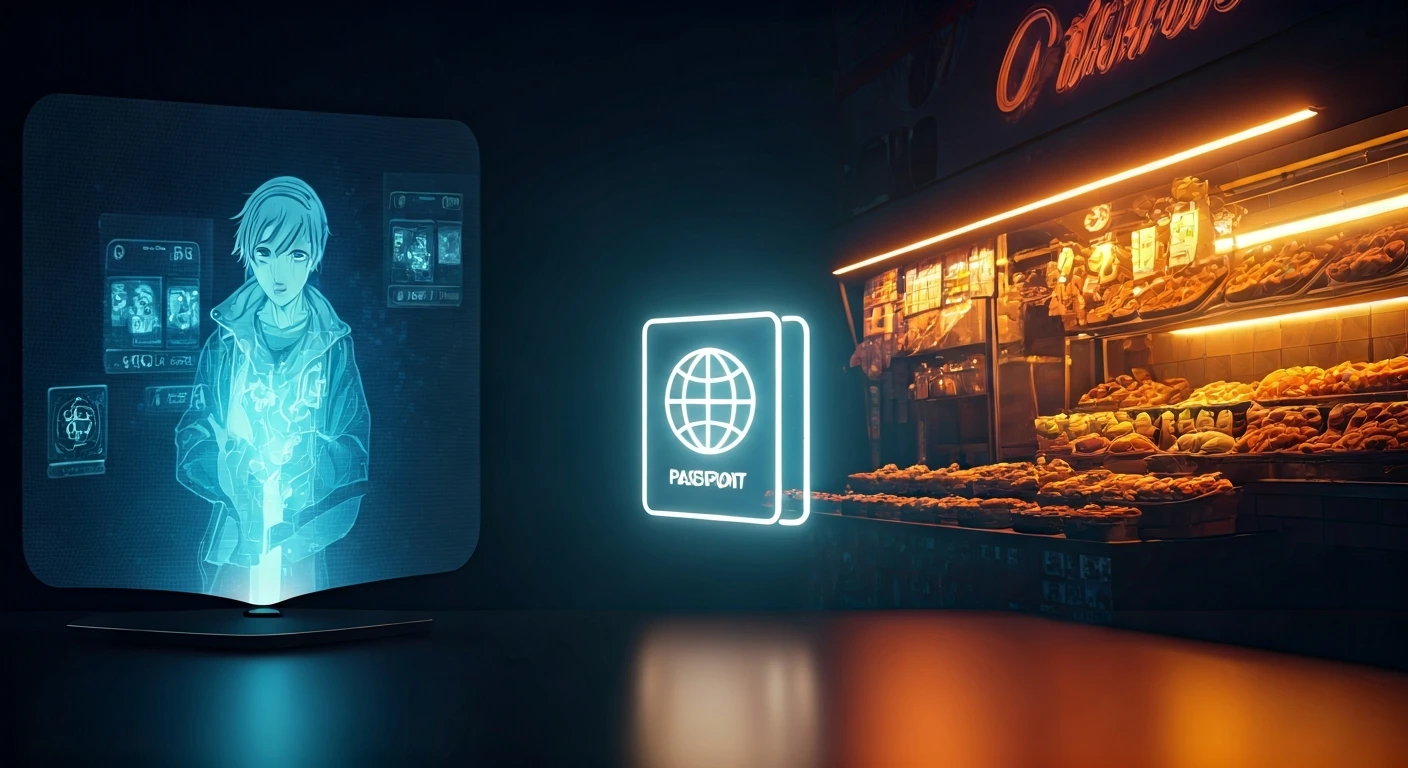
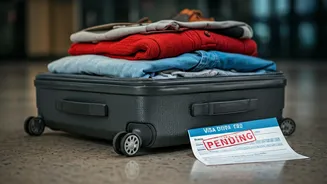
For the modern Indian traveler, the biggest barrier to visiting America isn’t the flight time or the cost—it’s the front door. The wait time for a first-time U.S. visitor visa appointment in Indian consulates has frequently stretched to over 500 days.
In the fast-paced world of travel planning, a year-and-a-half-long wait is a non-starter. This immense bureaucratic delay functions as a de facto travel ban, forcing would-be tourists to look elsewhere. Competing destinations in Europe and Southeast Asia have capitalized on this. Countries like France, Switzerland, and Thailand offer streamlined, digital, or visa-on-arrival processes that can be completed in weeks, if not days. For a generation accustomed to instant gratification and seamless digital experiences, the choice is obvious. They are voting with their feet and their wallets, taking their considerable spending power to countries that demonstrate they actually want their business.
Decoding the 'Big Vibes' Demand
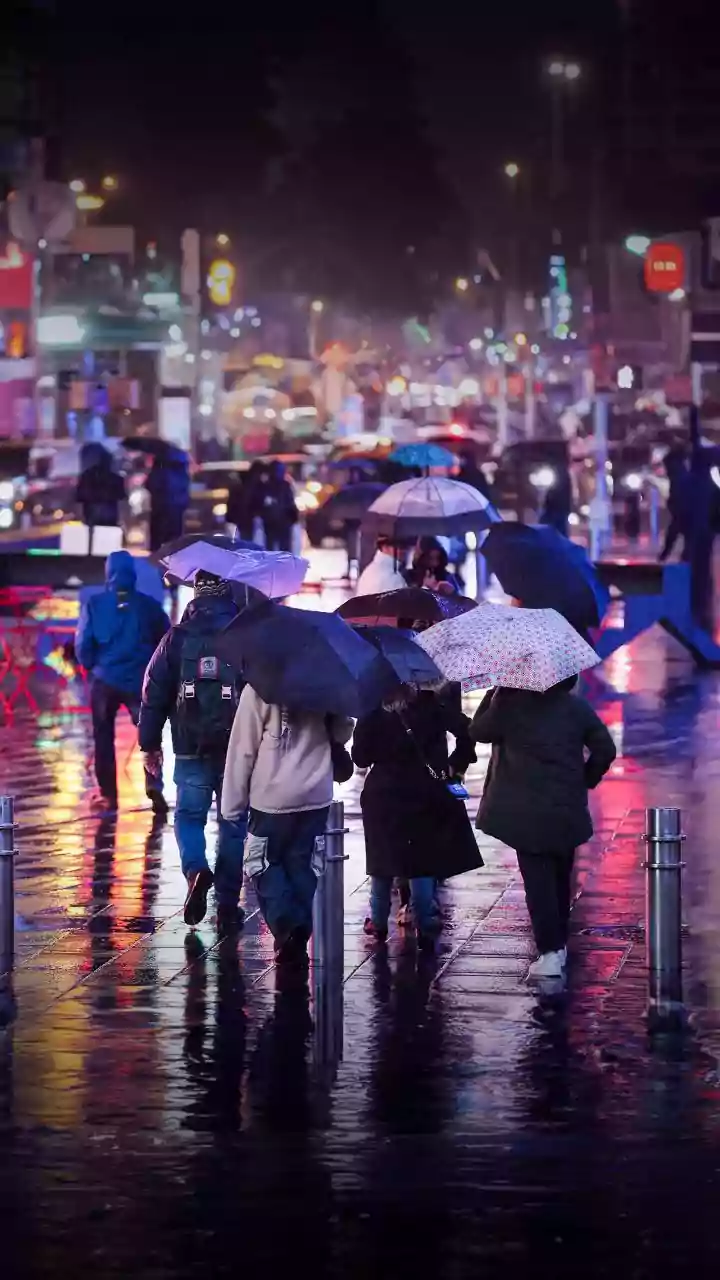
Beyond logistics, what this new generation of travelers seeks is an intangible but crucial element: 'big vibes.' This isn't just about seeing landmarks like the Statue of Liberty or the Golden Gate Bridge. It's about the overall experience—the atmosphere, the culture, and the shareable moments. 'Big vibes' translates to a desire for authenticity and immersion. They want to explore vibrant neighborhoods, discover unique culinary scenes (with a strong preference for high-quality vegetarian and vegan options), enjoy world-class shopping, and experience dynamic nightlife. Unlike the whirlwind group bus tours of the past that focused on cramming in as many sights as possible, today’s Indian travelers prefer to soak in a destination. They are digitally native, and a location’s 'Instagrammability'—its potential for creating stunning social media content—is a genuine factor in their decision-making. They’re not just tourists; they are creators and curators of their own travel narratives.
The New Profile of an Indian Globetrotter
The stereotype of the budget-conscious group tourist is outdated. Today’s Indian traveler is more likely to be a millennial or Gen Z professional, a multi-generational family seeking a premium vacation, or a 'bleisure' traveler extending a business trip for personal exploration. This demographic has significant disposable income and is willing to spend it on quality experiences, from boutique hotels and high-end retail to exclusive tours and gourmet meals. They are sophisticated consumers who do their research online, rely on reviews, and plan flexible, independent itineraries. This shift has massive implications for the U.S. tourism industry. Hotels, restaurants, and attractions can no longer rely on bulk bookings from tour operators. Instead, they need to appeal directly to the individual traveler with targeted marketing, culturally aware service, and experiences that feel personal and unique, not pre-packaged.
The Economic Stakes for America
The failure to attract this booming market comes at a steep cost. Indian tourists are among the highest-spending visitors to the United States when they can get here, contributing billions to the economy. Every traveler deterred by visa delays represents lost revenue for airlines, hotels, restaurants, retail stores, and national parks. The U.S. Travel Association has repeatedly warned that the country is falling behind in the global competition for international tourists, with the visa process being a primary culprit. While recent efforts to reduce wait times are a step in the right direction, the U.S. remains at a significant competitive disadvantage. In essence, America has a world-class tourism product with a broken and unwelcoming checkout process. Destinations from Dubai to London are rolling out the red carpet, while the U.S. asks visitors to wait in a year-long line.