


The Psychology of Comfort Cravings
Let's be honest: the last few years have been a lot. In times of uncertainty and stress, we instinctively reach for comfort. Psychologically, nostalgia provides a powerful sense of stability and social connection. It reminds us of simpler, often happier
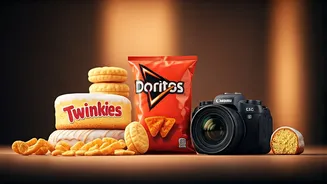
times. Food is one of the most potent activators of this feeling because taste and smell are deeply linked to memory. The sweetness of a Little Debbie cake isn't just sugar; it's the memory of an after-school treat, free from the burdens of adult life. This isn't just about 'eating your feelings' in a negative sense. It's about consuming a memory, a moment of perceived safety. The food itself acts as a key, unlocking a pleasant, rose-tinted room in our minds. When you combine that innate human need with a media landscape saturated with reboots, remakes, and retro aesthetics, you get a perfect storm of emotional snacking.
The Billion-Dollar Throwback Strategy
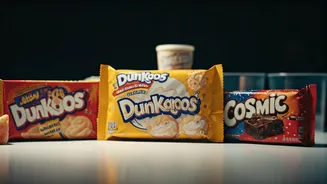
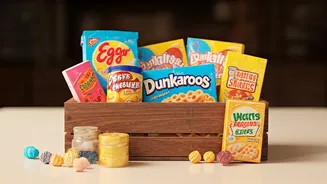
Food and beverage giants are acutely aware of this phenomenon. They aren't just restocking old products by accident; they're strategically mining their archives. The return of snacks like Dunkaroos, Trix with its classic fruit shapes, and Crystal Pepsi weren't grassroots campaigns. They were calculated business decisions based on years of social media pleas and a clear market desire for the past. Brands leverage this by wrapping the products in retro packaging and using marketing that winks at the past. Coca-Cola’s brief, brilliant re-release of “New Coke” tied to Stranger Things showed how potent this can be. They took a famous marketing failure and, by associating it with beloved nostalgia content, turned it into a viral success. This is more than just selling a product; it’s selling an era, a feeling of belonging to a specific generational cohort.
The 'Stranger Things' Effect
No single piece of media has weaponized nostalgia for consumer products better than Netflix's Stranger Things. The show isn’t just set in the 1980s; it's a meticulously crafted museum of the decade's culture. Eleven’s obsession with Eggo waffles wasn’t just a character quirk; it became a cultural touchstone that sent sales soaring. The show has a knack for turning background details into front-of-mind cravings. From the aforementioned New Coke to Dungeons & Dragons and even Kate Bush’s music, the series demonstrates how content can create powerful, real-world commercial ripples. It’s a direct pipeline from screen to shopping cart. This effect proves that the product doesn't even need to be about nostalgia itself. By simply placing a familiar item within a beloved nostalgic context, its emotional weight and consumer appeal are magnified tenfold.
Curated Cravings for the Algorithm Age
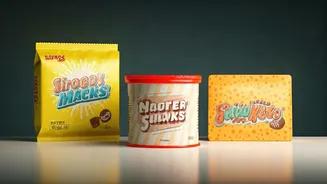
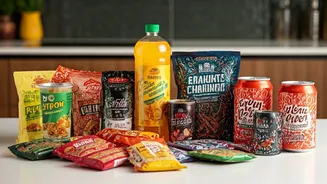
This trend isn't just happening on television. Social media platforms like TikTok and Instagram have become massive accelerators of snack nostalgia. An unboxing video of a 90s-themed snack box can go viral, creating a feedback loop of desire. One person’s wistful post about missing their favorite childhood candy can spark a comment section full of shared memories, which in turn signals to brands that a market exists. The algorithm feeds us content that resonates emotionally, and nostalgia is low-hanging fruit. It creates a shared, immediate cultural conversation around something as simple as a snack cake. It’s no longer a passive memory sparked by an old photo; it's an active, participatory event. We aren’t just remembering our childhoods; we’re co-creating a collective, commercialized version of them in real time, one post at a time.