






An Escape to the Hills
Before air conditioning became ubiquitous, families in North India's sprawling, scorching cities looked to the Himalayas for relief. They flocked to “hill stations”—high-altitude towns originally developed by the British as summer capitals to escape the heat.
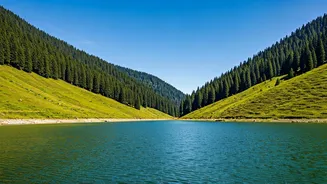
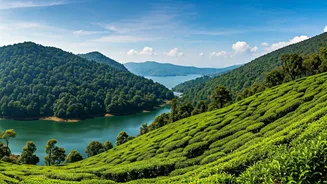
While many exist, Nainital, nestled in the Kumaon region, became the quintessential family destination. It wasn’t about adventure tourism or extreme sports; it was about something simpler. It was about packing the car, driving up winding mountain roads, and arriving in a world of cool air, misty mornings, and the deep, emerald green of a volcanic lake. For decades, a trip to Nainital during the summer break was a middle-class rite of passage, the backdrop for countless family photographs and cherished childhood memories.
The Rituals of the Mall Road
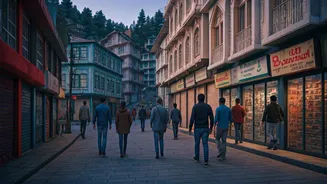
The heart of the Nainital experience isn’t a monument, but a lakeside promenade called the Mall Road. A walk here is a sensory overload of nostalgia. To one side, colorful paddle boats and traditional ‘shikaras’ glide across Naini Lake. To the other, a bustling strip of shops and restaurants serves up the same treats for generations. Families stop for roasted corn on the cob (‘bhutta’), seasoned with salt and lime, a flavor synonymous with the mountain air. They browse shops selling intricate handmade candles, a local specialty, and haggle for trinkets in the nearby Tibetan Market. It’s a slow-paced parade of people enjoying simple pleasures: eating soft-serve ice cream that melts too fast, posing for silly photos, and simply breathing in the cool, pine-scented air. It’s the Indian equivalent of a classic American boardwalk, but with a distinctly Himalayan flavor.
Colonial Echoes and Enduring Charm
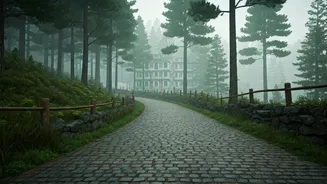
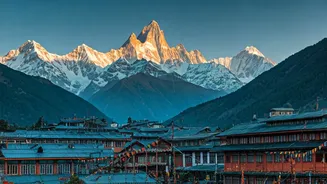
Nainital’s architecture tells the story of its past. Grand, gabled homes with British names dot the hillsides, remnants of the colonial officers who first established the town in the 1840s. The iconic St. John in the Wilderness church stands as a quiet testament to that era. But today, these colonial echoes are just part of the scenery. The true culture of Nainital is in the rituals that have been adopted and passed down. Every family must take a boat out on the lake. A ride on the cable car up to Snow View Point for a panoramic vista of the Himalayan peaks is non-negotiable. It’s this blend of old-world atmosphere and steadfast family tradition that gives the town its unique character. It feels both frozen in time and vibrantly alive.
Why the Magic Endures
In a world of fast-paced, high-tech, Instagram-driven travel, Nainital’s appeal might seem antiquated. The town grapples with modern problems like traffic and overcrowding. Yet, the nostalgia it commands remains undefeated. Parents who first visited as children now bring their own kids, pointing out the same boat club and sweet shop from their youth. The magic isn’t in five-star luxury; it’s in the shared experience. It’s in the deliberate disconnect from city life, the joy of a simple boat ride, and the comfort of a predictable, beloved routine. Nainital isn't just a destination; it’s a time capsule. It holds onto the feeling of being a kid on vacation, a feeling so potent that it draws people back, year after year, to relive the memories and create new ones.