

Why Our Brains Crave Texture
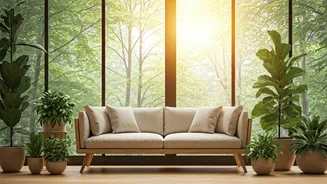
This isn't just a fleeting design trend; it's a response to a deep-seated human need. The concept of biophilia suggests that we have an innate tendency to connect with nature. Introducing materials that feel like they came from the outside world—rough-hewn
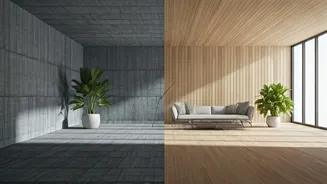
wood, soft wool, cool stone—grounds us. These textures provide a subtle, tactile richness that engages our senses in a way that flat, glossy surfaces cannot. In a home, this translates to a feeling of calm, authenticity, and comfort. It’s the visual and physical counterpoint to our fast-paced, digital lives, creating a space that encourages you to slow down, touch, and feel.
Start with Woven Wonders
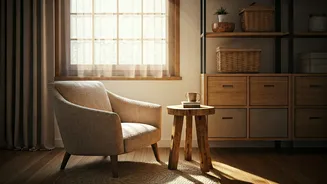
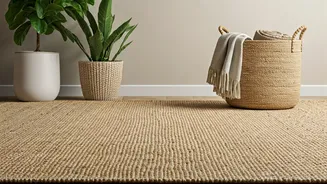
The easiest entry point into the world of texture is through woven goods. Materials like jute, seagrass, and rattan bring an instant dose of earthy, coastal-inspired calm. A large jute rug can anchor a living room, defining the space with its robust, fibrous pattern while feeling surprisingly soft underfoot. On a smaller scale, consider swapping out plastic storage bins for woven seagrass baskets to hold blankets, magazines, or kids' toys. A single statement piece, like a rattan accent chair or a woven pendant light, can completely transform the feeling of a room, adding sculptural interest and a touch of handcrafted artistry.
Layer Your Linens and Wool
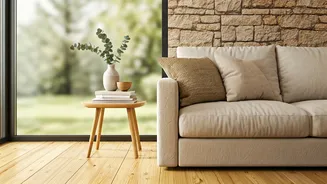
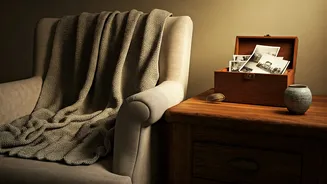
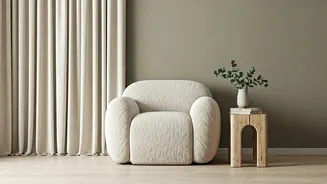
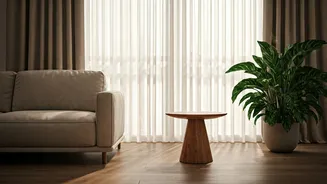
Textiles are the soul of a comfortable room. Move beyond basic cotton and explore the world of imperfect, touchable fabrics. Linen is a superstar here. Its naturally crumpled, slightly uneven texture provides a relaxed elegance that looks effortlessly chic. Think linen curtains that diffuse light beautifully, a linen duvet cover that gets softer with every wash, or simple linen throw pillows. In cooler months, introduce chunky wool or cashmere throws. The visual weight and undeniable softness of a thick, knitted blanket draped over a sofa is an open invitation to get cozy. Don't be afraid to mix them—the combination of lightweight linen and heavy wool creates a dynamic, layered look.
Embrace Imperfect Wood
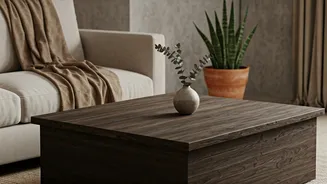
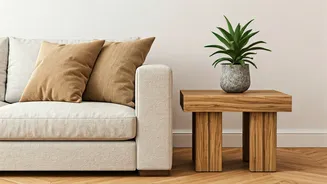
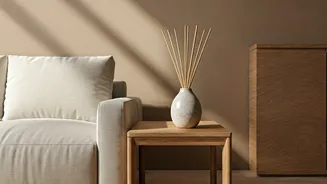
Forget the perfectly lacquered, uniform wood finishes of the past. The magic lies in wood that tells a story. Look for pieces with visible grain, knots, and a natural or matte finish. A live-edge coffee table or dining table, where the natural edge of the wood is preserved, serves as a stunning focal point. On a more accessible scale, consider a solid acacia wood cutting board permanently displayed in the kitchen, a teak stool in the bathroom, or a collection of carved wooden bowls on a shelf. These items bring warmth and a sense of history, reminding us that beauty is often found in imperfection.
Add Grounding Elements of Stone and Clay
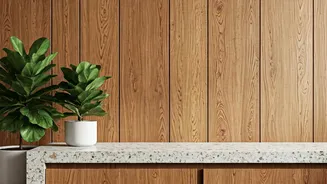
To balance the softness of textiles and warmth of wood, you need grounding elements. This is where stone, marble, and terracotta come in. You don't need to install a marble countertop to get the effect. A heavy marble tray on an ottoman can corral remotes and coasters while adding a touch of cool, solid luxury. A slate cheeseboard or travertine coasters offer a similar tactile experience. And don't underestimate the power of pottery. Unglazed terracotta or ceramic pots for your houseplants provide a rustic, earthy texture that perfectly complements the greenery they hold, connecting your indoor space directly to the garden.