



Meet the Comeback Grain
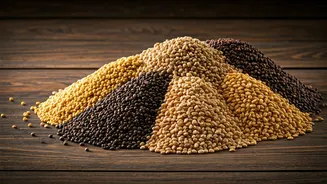
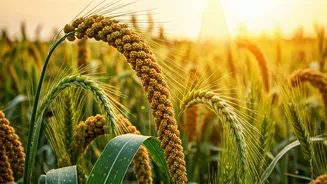
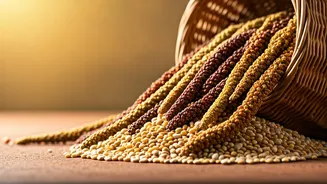
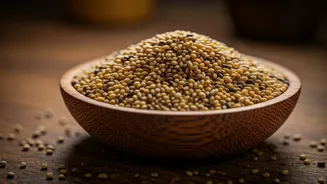
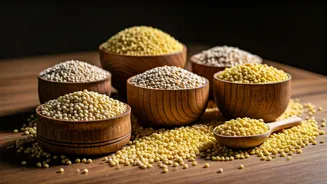
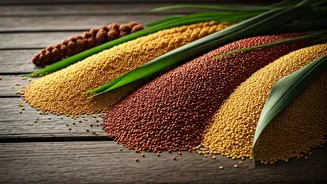
First, what exactly are millets? The term doesn’t refer to a single grain but a diverse group of small-seeded grasses that have been cultivated for thousands of years across Africa and Asia. They were staples of ancient civilizations long before wheat
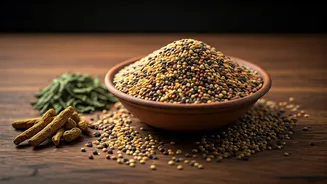
and rice became globally dominant. You might have seen millet in birdseed mixes, a reputation that has done this powerful food a disservice in the West. But varieties like foxtail, pearl, proso, and fonio are culinary powerhouses in their own right, with distinct textures and nutty, earthy flavors that range from mildly sweet to robust.
The Climate-Smart Advantage
The real reason millets are gaining traction now is their incredible resilience. In a world grappling with climate change, extreme weather, and water scarcity, millets look less like an ancient relic and more like a futuristic solution. They are what agricultural experts call “climate-smart.” Many varieties are naturally drought-tolerant, capable of thriving in arid conditions where crops like corn or wheat would fail. They have short growing seasons, allowing farmers to get a harvest even when rainfall is unpredictable. Furthermore, they can grow in poor soil with minimal need for expensive and environmentally taxing fertilizers. This makes them a lifeline for small-scale farmers and a crucial tool in building a more sustainable and secure global food system.
From Pantry Staple to Plated Star
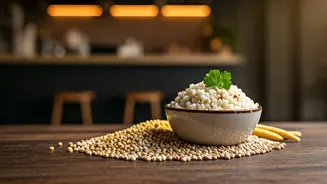
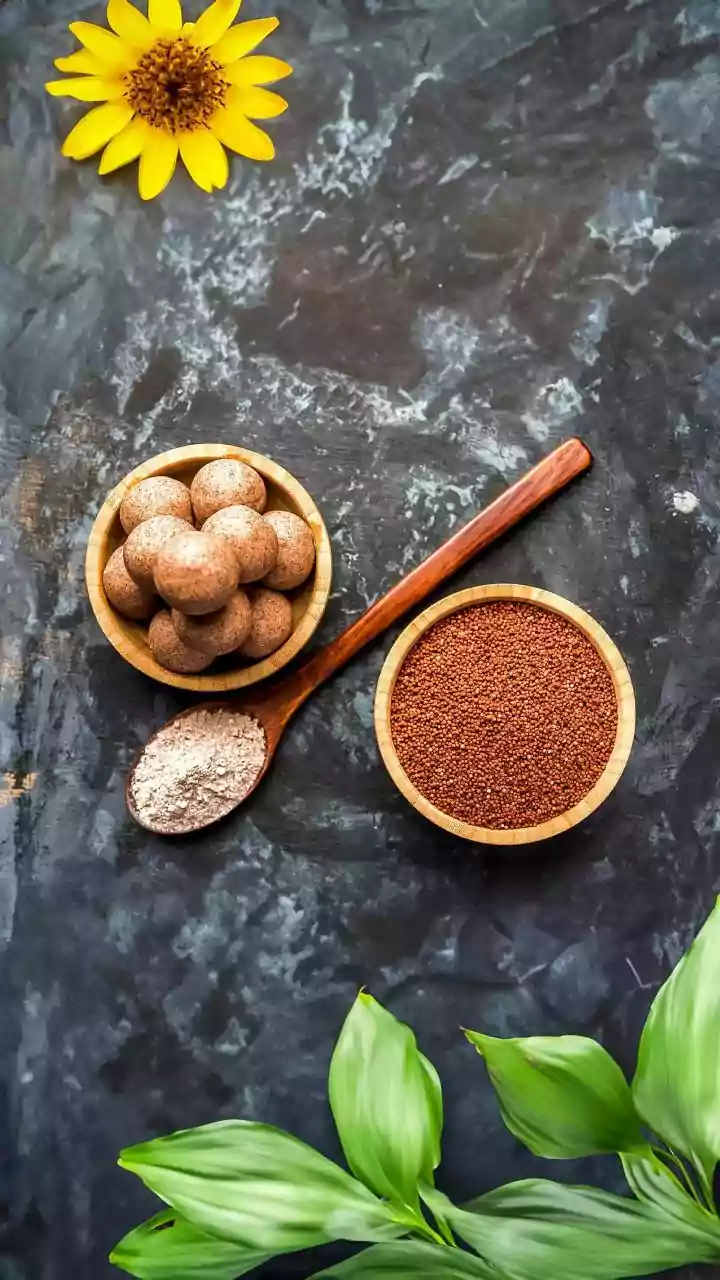
For decades, millets were largely forgotten in American kitchens, overshadowed by more familiar grains. But chefs, who are often the gatekeepers of food trends, are rediscovering their potential. Catalyzed by initiatives like the United Nations’ “International Year of Millets” in 2023, culinary innovators are now showcasing the grain’s versatility. They’re using it to create creamy, polenta-like side dishes, popping it like corn for a crunchy salad topping, grinding it into gluten-free flour for flatbreads and pastries, and using it as a base for hearty grain bowls. By putting millet on the menu, these chefs aren't just serving a delicious meal; they're telling a story about heritage, sustainability, and flavor. They are proving that what’s good for the planet can also be incredibly good to eat.
Bringing Millets to Your Kitchen
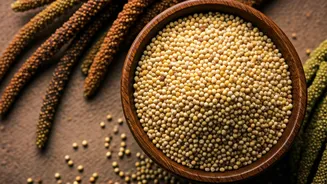
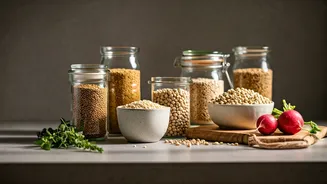
The trend isn't just confined to restaurant kitchens. As awareness grows, millets are becoming easier to find in grocery stores and online. Their nutritional profile is another major selling point: they are typically high in fiber, protein, and essential minerals, and all varieties are naturally gluten-free, making them an excellent option for those with dietary restrictions. Cooking millet is simple. In its most basic form, it’s prepared much like rice or quinoa—simmered in water or broth until tender. It can serve as a simple side, a base for a breakfast porridge topped with fruit and nuts, or a nutritious addition to soups and stews. Don't be afraid to experiment; its mild flavor makes it a fantastic canvas for herbs, spices, and sauces.