




So, What Makes a Bowl ‘Human-Grade’?
First, let's define our terms. A 'human-grade' pet bowl isn't one your dog can use to eat spaghetti at the dinner table (though we’re not judging). The term refers to bowls made from materials and with design standards you’d expect for your own dinnerware.
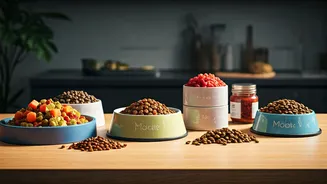
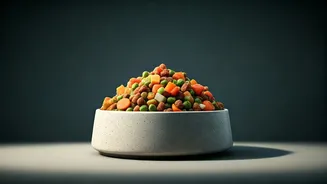
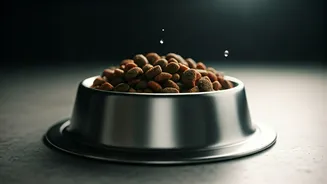
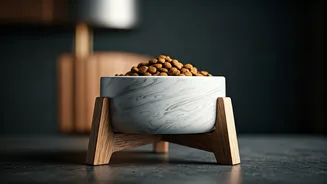
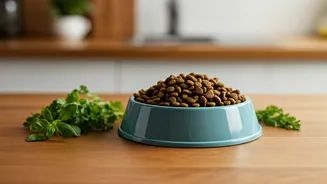
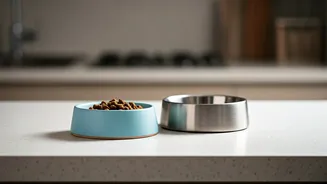
Think less brightly colored plastic and more heavyweight, beautifully glazed ceramics, surgical-grade stainless steel, and minimalist, non-toxic silicone. These bowls often come from design-forward brands like Fable, Wild One, or Maxbone, and they look more at home in an issue of Architectural Digest than a corner of the utility room. The aesthetic is intentional: muted, earthy tones, clean lines, and a heft that communicates quality. They're dishwasher-safe, scratch-resistant, and, crucially, free of BPA, phthalates, and other chemicals that have become dinner-party conversation villains over the past decade.
The Wellness Halo Effect
This trend didn't appear in a vacuum. It’s a direct extension of the human wellness movement seeping into our pets' lives. The same person who scrutinizes labels on their own food, avoids plastic containers for their leftovers, and drinks filtered water is starting to look at their pet’s worn-out plastic bowl with a sense of unease. Is it leaching chemicals? Does the bacteria in those scratches explain Fido’s occasional upset stomach? For many, upgrading the bowl is a simple, tangible way to ensure their pet’s health and safety. It’s a small act of control in a world where providing the 'best' for our furry family members feels increasingly complex. This isn't just about vanity; for many owners, it’s a genuine act of care rooted in the belief that a healthier bowl leads to a healthier pet.
Pets as Family, Not Property
Underlying the entire phenomenon is the profound cultural shift in how we view our pets. The term 'pet parent' itself says it all. Dogs and cats are no longer just animals we own; they are integral, non-human members of the family. We celebrate their birthdays, create social media accounts for them, and invest emotionally and financially in their well-being as we would a child. In this context, spending $50 or even $100 on a bowl seems less like an extravagance and more like a natural expense. You wouldn't serve your toddler from a cheap, scratched plastic dish, so why should your 'fur baby' be any different? The human-grade bowl is a physical manifestation of this emotional bond, elevating the daily ritual of feeding into an act of love and respect.
And Yes, It’s a Flex
Let’s be honest: aesthetics and social signaling play a huge role. In the age of the curated Instagram feed, every corner of the home is a potential backdrop. A clunky, neon-green plastic bowl ruins the vibe of a carefully designed minimalist kitchen. A sleek, ceramic bowl, however, complements it. It says, 'I have impeccable taste, and my commitment to design extends even to my dog's dinnerware.' It’s a subtle but powerful flex. It signals not just financial means but also a certain level of cultural attunement. It tells the world that you are a thoughtful, discerning, and modern pet parent who cares about health, design, and, of course, your beloved companion. The bowl becomes part of a larger lifestyle narrative, a small detail that says a lot about the person who bought it.