






A World Above the Clouds
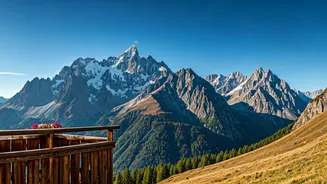
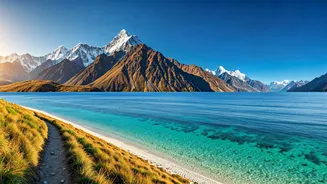
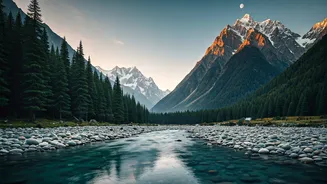
Welcome to Ladakh, a high-altitude desert nestled between the Karakoram and Himalayan mountain ranges in northern India. Often called "Little Tibet" or "The Land of High Passes," this is a place of stark, breathtaking beauty. The air is thin and crisp,
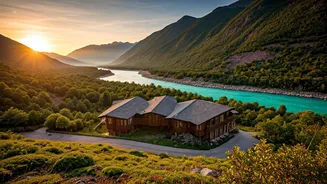
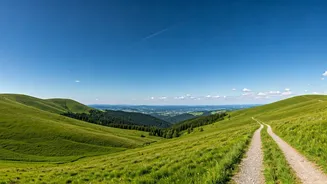
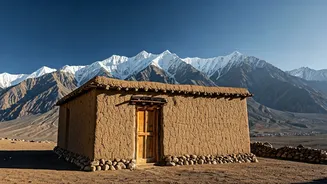
the sky an impossible shade of cobalt, and the landscape a dramatic canvas of barren mountains, deep river gorges, and surprisingly lush green valleys. Forget the humidity and haze of urban summers; here, the sun is brilliant but the air remains cool and dry. At elevations typically ranging from 9,000 to 14,000 feet, Ladakh offers a literal and figurative escape, a world removed from the frantic pace of life below. It’s in this dramatic setting that a unique form of shelter provides the ultimate refuge: the traditional mud cottage.
Architecture Born from Earth
The term “mud cottage” might sound primitive, but in Ladakh, it represents centuries of climate-responsive wisdom. Traditional Ladakhi homes are built using sun-dried mud bricks and rammed earth, often combined with poplar or willow wood for structural support. The walls are exceptionally thick—sometimes several feet—creating a formidable thermal mass. This ancient technique is a masterclass in natural engineering. During the sun-drenched days, the earthen walls slowly absorb the heat, keeping the interiors refreshingly cool without a single watt of electricity. As the frigid high-altitude night descends, the walls gradually release that stored warmth, maintaining a comfortable temperature inside. It’s a passive solar design perfected over generations, a sustainable solution that feels both ancient and incredibly modern in an age of climate consciousness.
The Rhythm of Simplicity
Staying in one of these cottages is an exercise in mindful simplicity. You wake not to traffic horns, but to the sight of sunlight creeping over a jagged peak, illuminating the dust motes dancing in a single sunbeam from a small, carved window. The silence is profound, punctuated only by the distant call of a chukar partridge or the gentle rustle of apricot trees in the wind. The interior is a sensory experience: the cool, slightly rough texture of the earthen walls, the smell of woodsmoke and brewing butter tea, the sight of brightly colored textiles against the neutral backdrop. Days are unhurried. They might be spent reading in a sunny courtyard, sipping fresh-pressed apricot juice, or simply acclimatizing to the altitude while gazing at a landscape that seems to stretch into infinity. This isn't just a place to sleep; it's a space that encourages you to slow down, breathe deeply, and disconnect from the digital noise of the outside world.
Connecting with Culture, Not Wi-Fi
Many of these unique stays are not purpose-built hotels but family-run homestays or restored heritage properties. This provides an unparalleled opportunity to connect with the warm and resilient Ladakhi people. Your host might be a farmer who also runs the guesthouse, sharing stories and home-cooked meals of thukpa (noodle soup) or momos (dumplings). Choosing a mud cottage is often a direct investment in the local community, supporting the preservation of architectural heritage and providing sustainable livelihoods. It transforms a simple vacation into a meaningful cultural exchange. Instead of checking emails, you might find yourself learning about the rhythms of subsistence farming at high altitude or visiting a nearby gompa (monastery) that has stood for centuries, its own walls built from the same earth as your temporary home.