



The End of the Sweltering Summer Brag
For decades, the peak of aspirational travel was a sizzling summer trip to the Mediterranean, the Caribbean, or a packed-to-the-gills U.S. national park. The goal was to chase the sun. The evidence was a tan, a thousand photos of turquoise water, and stories
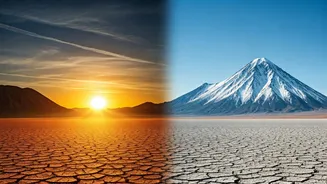
of balmy nights. But a formidable trio of factors has begun to sour this once-sweet dream: extreme heat, overwhelming crowds, and eye-watering prices. Searing, record-breaking heatwaves have made sightseeing in Rome or Athens in July less of a romantic dream and more of a sweltering endurance test. Meanwhile, post-pandemic 'revenge travel' has funneled millions of people into the exact same hotspots, turning charming villages into human traffic jams. The brag-worthy Instagram post from the Amalfi Coast conveniently omits the two-hour wait for a bus and the $30 spritz. Travelers are waking up to a simple reality: a vacation shouldn't feel like a battle for survival.
So, What Is a 'Cool-Weather Flex'?
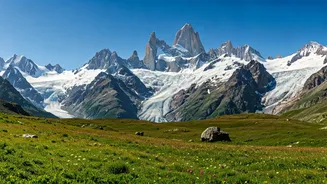
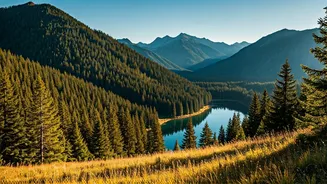
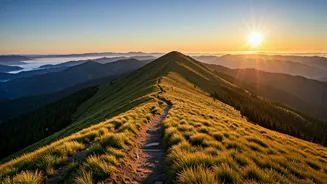
This isn't about avoiding summer altogether. It’s about outsmarting it. A cool-weather trip is a strategic move to trade blistering heat and frantic crowds for crisp air and breathing room. It’s about choosing a destination where the daytime high hovers in the comfortable 60s or 70s, allowing you to actually explore without wilting. This can mean three things. First, heading north: think the Pacific Northwest, coastal Maine, Alaska, Canada, Iceland, or Scandinavia. Second, gaining altitude: the Rocky Mountains in Colorado, the Tetons in Wyoming, or the Alps in Europe offer a natural form of air conditioning. Third, flipping the hemisphere: while the Northern Hemisphere boils, it’s a pleasant winter in places like Patagonia or New Zealand, offering a completely different kind of summer escape. The 'flex' is the quiet confidence that comes from making a smarter, more comfortable choice—prioritizing personal enjoyment over chasing a tired travel cliché.
The Comfort-Is-King Calculus
The greatest luxury of the cool-weather trip is comfort. It’s the ability to walk through a city for five hours without feeling like you need an IV drip. It’s hiking a mountain trail under a clear blue sky without worrying about heatstroke. It’s the simple, civilized pleasure of needing a light jacket at night. This shift redefines vacation glamour. Instead of boasting about surviving the heat, the new flex is about the quality of the experience. It’s about the joy of activities that are miserable in high temperatures: long bike rides, exploring historic urban centers on foot, or even just enjoying a hot coffee on a patio without breaking a sweat. The aesthetic changes, too. Out are the flimsy sundresses and damp swim trunks; in are stylish layers, cozy flannels, and sturdy hiking boots. It’s a look that says 'I’m here for an active, invigorating experience,' not just 'I’m here to lie down and bake.'
It’s an Economic Flex, Too
While a trip to Norway or a cabin in the mountains of British Columbia isn't necessarily cheap, it often represents a savvier use of travel funds compared to peak-season hotspots. The principle of supply and demand that drives hotel prices in Santorini into the stratosphere in August works differently in these alternative destinations. You’re often escaping the most extreme forms of price gouging. By sidestepping the summer hordes, you can find better value on accommodations, flights, and even food. The real economic flex, however, is in the quality of the experience your money buys. Spending $400 a night to be crammed into a hot, loud, and over-touristed resort feels like a poor investment. Spending that same amount on a peaceful lakeside cabin in Vermont or a chic apartment in Stockholm, where you can comfortably enjoy your surroundings, feels like a genius move.
Where the Cool Kids Are Going
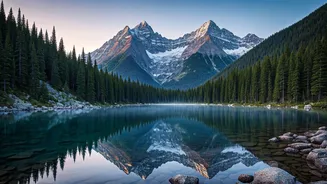
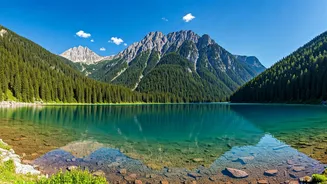
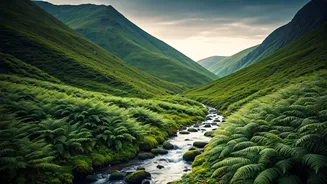
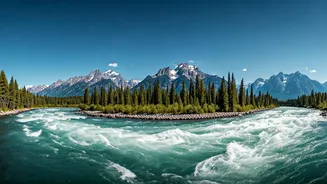
So where is this migration happening? Look to social media, and you’ll see the evidence. The Oregon coast, with its dramatic, misty shoreline and charming towns, is a prime example. The Canadian Rockies, particularly around Banff and Jasper, offer stunning turquoise lakes without the oppressive humidity. In Europe, the exodus from the Mediterranean coast is leading travelers to the fjords of Norway, the vibrant design scene of Copenhagen, and the wild, windswept landscapes of Scotland. Even within traditional warm-weather states, people are seeking higher ground, flocking to mountain towns in North Carolina or Arizona to escape the valley heat. The common thread is a desire for landscapes that feel vast, refreshing, and full of potential for genuine adventure—not just passive sunbathing.