



The Big Picture: A Shift in Thinking
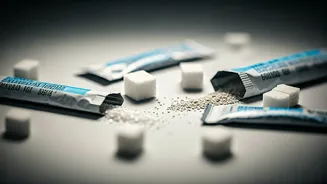
The single biggest development rocking the sweetener world came from the World Health Organization (WHO). In 2023, it issued a conditional recommendation advising against the use of non-sugar sweeteners (NSS) for long-term weight control. This includes
everything from artificial sweeteners like aspartame and sucralose to 'natural' ones like stevia. The WHO’s review of available evidence found that, contrary to popular belief, using these products does not appear to confer any long-term benefit in reducing body fat in adults or children. More concerningly, the review pointed to potential undesirable effects from long-term use, such as an increased risk of type 2 diabetes and cardiovascular diseases. This doesn't mean a diet soda will give you a heart attack tomorrow, but it does dismantle the idea that these sweeteners are a completely inert, consequence-free 'health' choice.
The Artificial Sweetener Debate Heats Up
Artificial sweeteners have been controversial for decades, but the conversation recently reignited around aspartame. A WHO sub-agency, the International Agency for Research on Cancer (IARC), classified it as “possibly carcinogenic to humans.” This sounds terrifying, but context is crucial. The IARC's classifications are based on the strength of the evidence that something *can* cause cancer, not on the risk in real-world consumption. For context, working overnight shifts and consuming red meat fall in a higher-risk category. Meanwhile, another WHO committee and the U.S. Food and Drug Administration (FDA) reviewed the same data and reaffirmed their position that aspartame is safe at current acceptable daily intake levels. For an adult weighing 150 pounds, that’s the equivalent of drinking about 12 to 18 cans of diet soda a day. The takeaway isn't that aspartame is suddenly toxic, but that the science is complex and expert bodies can arrive at different conclusions about hazard versus risk.
The 'Natural' Sweetener Bombshell
Perhaps the most surprising news came from a 2023 study published in the journal *Nature Medicine*. Researchers found a correlation between higher levels of erythritol—a popular sugar alcohol used in many 'natural' zero-calorie products, especially those targeting keto and low-carb dieters—and an increased risk of heart attack, stroke, and death in people who were already at risk for cardiovascular disease. Erythritol is found in many stevia and monk fruit products as a bulking agent to give them a sugar-like texture. It’s important to note this study showed a correlation, not direct causation, and was conducted on a population already at high risk. More research is needed to confirm the link. However, it was a major red flag for an ingredient widely perceived as one of the safest sugar substitutes on the market. It served as a stark reminder that 'natural' does not automatically mean 'harmless.'
So, What Should You Do?
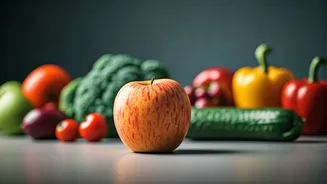
This flood of conflicting information can feel paralyzing. Rather than trying to find the 'perfect' sweetener, health experts suggest a broader strategy: reducing your reliance on intense sweetness altogether. Your palate can adapt over time. Start by cutting back. If you use two packets of sweetener in your coffee, try one. If you drink diet soda all day, swap one for a sparkling water. When you do use sweeteners, do so in moderation and be an informed consumer. Read the ingredients list on packaged foods. A product marketed as 'stevia-sweetened' may primarily contain erythritol. The goal is to move away from the mindset of finding a perfect substitute and toward a diet based more on whole, unprocessed foods that aren't intensely sweet. A piece of fruit, for example, offers sweetness packaged with fiber, water, and nutrients—something no artificial sweetener can replicate.