

More Than a Yogurt Smoothie
First, let's clear up a common misconception. If your only experience with a yogurt drink is a thick, sweet, fruit-filled lassi, then chaas will be a revelation. While both originate from the Indian subcontinent and have a yogurt base, they serve entirely
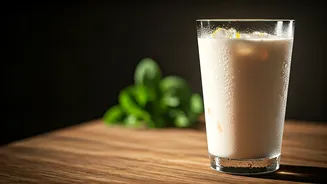
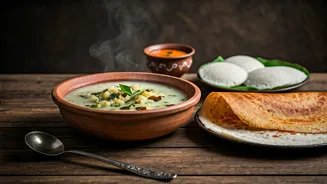
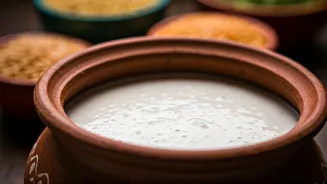
different purposes. Lassi is often a rich, dessert-like treat. Chaas, on the other hand, is its savory, utilitarian, and far more refreshing cousin. Known as spiced buttermilk, chaas is thin, light, and watery in consistency. It’s made by whisking yogurt with cold water, salt, and a blend of spices. The flavor profile is distinctly tangy and salty, not sweet. It’s the kind of drink you can gulp down on a scorching day without feeling heavy or weighed down. In many parts of India, it's not just a beverage but a staple, served with meals to cleanse the palate and aid digestion, or handed to guests as a welcome respite from the heat.
An Ancient Air Conditioner
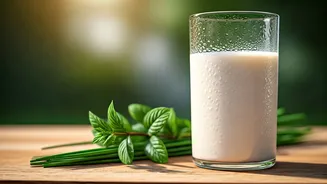
The “cooling comfort” mentioned in the headline isn't just marketing speak; it's a core function of the drink. In traditional Indian wellness systems like Ayurveda, foods are classified by their energetic properties, and yogurt is considered cooling to the body. But the science is more straightforward. On a purely physical level, chaas is a cold, hydrating liquid, perfect for lowering body temperature. Furthermore, its salt content helps replenish the electrolytes we lose through sweat, making it a far more effective hydrator than plain water in extreme heat. Think of it as a natural, ancient version of a sports drink, but without the artificial colors and sugars. Spices often added to chaas, like mint, enhance this cooling sensation, leaving a fresh, clean feeling long after you've finished the glass. It’s a full-body cooling system in a cup.
Unpacking the 'Gut Cred'
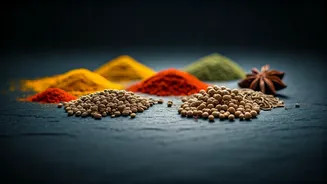
This is where chaas truly separates itself from other summer coolers. The “gut cred” comes directly from its main ingredient: yogurt. The live and active cultures in yogurt are a well-known source of probiotics, the beneficial bacteria that support a healthy gut microbiome. A balanced microbiome is linked to better digestion, improved immunity, and overall well-being. But the benefits don’t stop there. Chaas is traditionally seasoned with spices renowned for their digestive properties. Roasted cumin powder, a common ingredient, is known to stimulate digestive enzymes. Ginger, another frequent addition, helps soothe the stomach and can alleviate nausea and bloating. Black salt (kala namak), with its distinct sulfuric flavor, is also traditionally used as a digestive aid. This combination makes chaas not just a drink, but a powerful digestif, often consumed after a heavy meal to help the stomach do its work more efficiently.
How to Find It and Make It
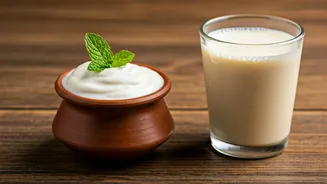
Ready to try it? You can often find chaas on the menu at authentic Indian restaurants, sometimes listed as “spiced buttermilk.” Specialty Indian grocery stores also frequently carry pre-packaged cartons in their refrigerated sections. However, making it at home is incredibly simple and allows you to control the ingredients. Here’s a basic recipe: 1. In a bowl, take a half-cup of plain, unsweetened yogurt. 2. Add one and a half cups of cold water. 3. Whisk vigorously until smooth and frothy, with no lumps. You can also use a blender for a few seconds. 4. Stir in a half-teaspoon of roasted cumin powder, a pinch of black salt (or regular salt), and some finely chopped cilantro or mint leaves. 5. For an extra kick, add a tiny amount of grated ginger or finely chopped green chili. Serve it chilled. The drink is best when it's light and watery, so don't be afraid to add more water to reach your desired consistency.