


What Exactly Is a 'Khatta'?
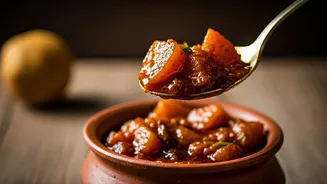
Before we get to the ‘Ou,’ let’s talk about the ‘Khatta.’ The word literally translates to “sour,” but in the context of an Indian meal, it’s so much more than that. It’s not quite a pickle, which is typically preserved for longevity, nor is it a simple
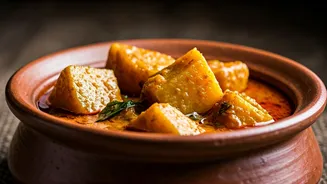
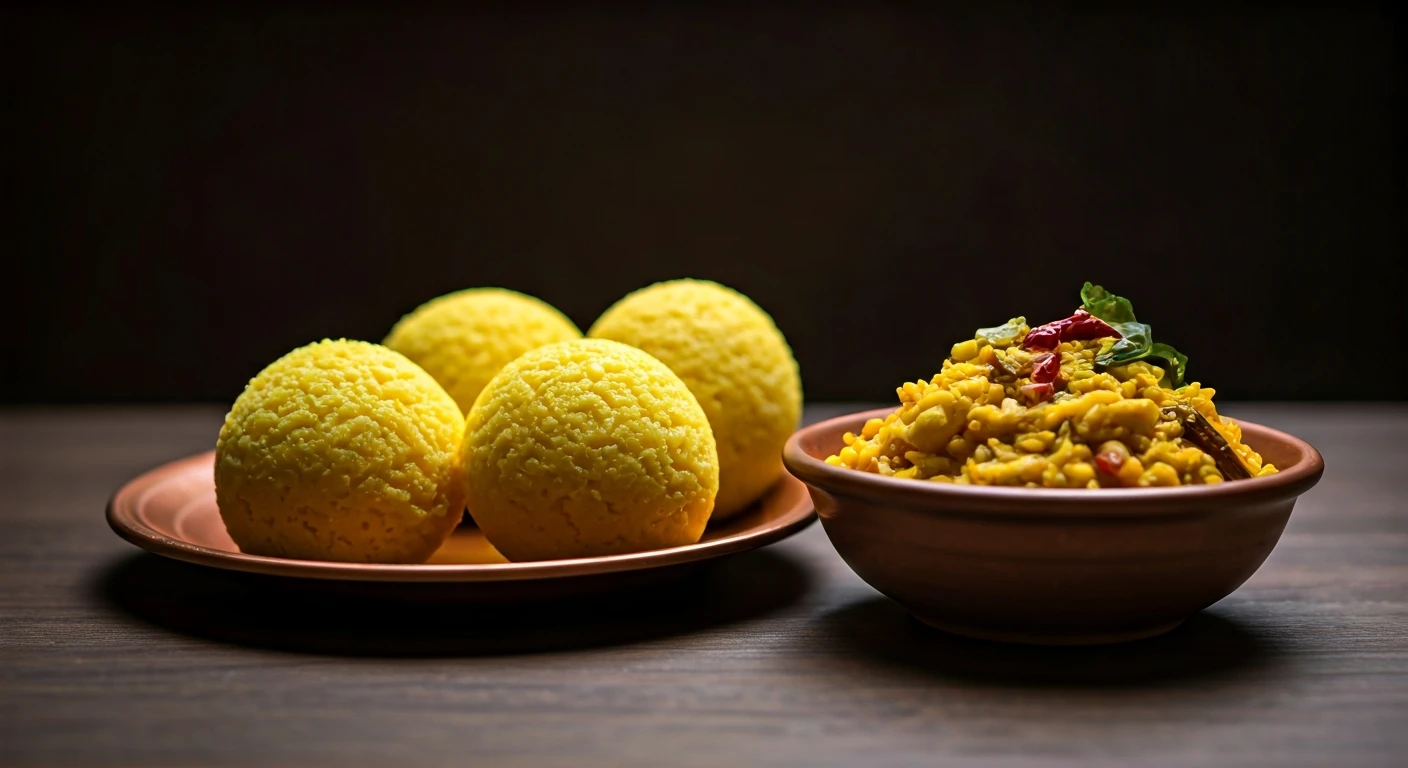
chutney. A khatta is a fresh, sweet-and-sour relish, cooked down to a jammy consistency and designed to be eaten with the main meal. Think of it as the culinary equivalent of a bright, acidic note in a symphony—it cleanses the palate and adds a layer of complexity that elevates everything from simple rice and lentils to more elaborate fish curries. In Assamese cuisine, where meals are built on subtle flavors and fresh ingredients, a khatta provides a brilliant, tangy counterpoint.
The Star Ingredient: The Elephant Apple
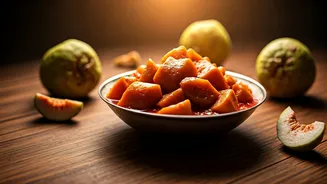
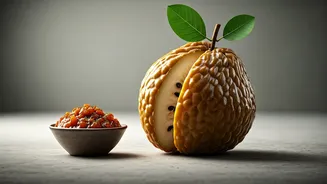
The 'Ou' in Ou Khatta is the Assamese name for the elephant apple (*Dillenia indica*). And no, it’s not related to the apples you find at the supermarket. This large, greenish-yellow fruit, native to Southeast Asia, looks more like an oversized, woody artichoke. Cutting into its tough exterior reveals fleshy, petal-like layers surrounding a gelatinous core. Its flavor is intensely sour and astringent, with a crispness that softens into a unique, slightly fibrous texture when cooked. Why the name? Wild elephants are known to be fond of the fruit, often breaking them open to get to the pulp inside. For humans, the unripe fruit is a souring agent prized across the region, bringing a distinctive tang that’s different from lime, tamarind, or vinegar.
A Symphony of Sweet, Sour, and Spice
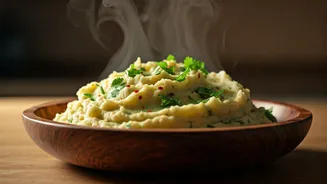
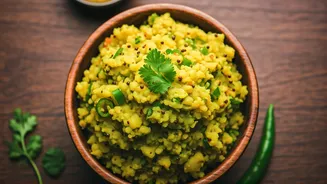
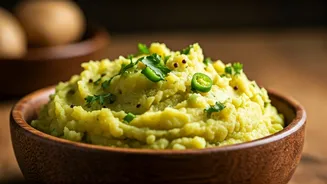
Making Ou Khatta is a lesson in flavor balancing. The tough elephant apple is first boiled or pressure-cooked until tender. The softened pulp is then mashed and simmered to create the base of the dish. This is where the magic happens. To counteract the fruit's aggressive sourness, a generous amount of jaggery (an unrefined cane sugar with molasses-like notes) or regular sugar is added, creating the dish’s signature sweet-and-sour profile. The final step is tempering, known as a *tarka* or *phoron*. A small amount of mustard oil is heated, and whole spices like mustard seeds, dried red chilies, and sometimes Panch Phoron (a five-spice blend of cumin, fennel, fenugreek, nigella, and mustard seeds) are sizzled until fragrant. This aromatic oil is poured over the sweet and sour pulp, infusing the khatta with a pungent, savory depth that ties all the flavors together.
A Taste of Assamese Culture
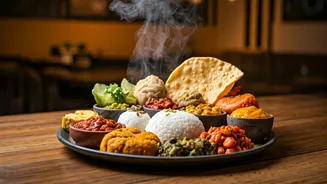
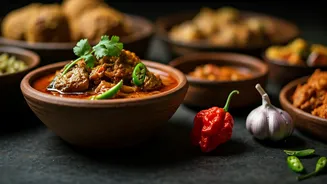
In Assam, Ou Khatta is more than just a condiment; it's an integral part of a traditional meal, or *thali*. It’s often served as the final savory course, right before dessert, to cleanse the palate and aid digestion. Its presence on the table signals a complete, well-rounded meal. This dish belongs to a beloved category of Assamese cooking called *tenga*, which refers to any sour curry or dish. While fish is the most famous star of tenga curries, Ou Khatta holds a special place as a versatile, vegetarian-friendly option that showcases the region's unique local produce. It represents a culinary philosophy that values balance, makes use of hyperlocal ingredients, and understands the power of a single, perfectly executed flavor to transform a meal.